When a factory plans to expand production or upgrade equipment, choosing the right overhead crane often becomes an important decision. Lifting capacity is only one part of the equation. Workshop layout, operating frequency, and future production needs also deserve careful consideration. A crane that matches actual working conditions usually delivers better long-term value and operating efficiency.
With over 30 years of industry experience, Weihua provides overhead cranes, gantry cranes, and customized lifting solutions for customers across different industries worldwide.
Reasons for Choosing the Right Overhead Crane
One of the most important reasons for choosing the right crane is that it must match your specific operational needs. Since overhead cranes are not standard off-the-shelf products, the type required varies by factory and operating environment, and needs to be customized based on actual customer requirements. For instance, some light industrial plants may choose single-girder overhead cranes, while heavy industrial plants often opt for double-girder overhead cranes. We can help you select the most suitable option.
Types of Overhead Cranes for Different Usage Environments
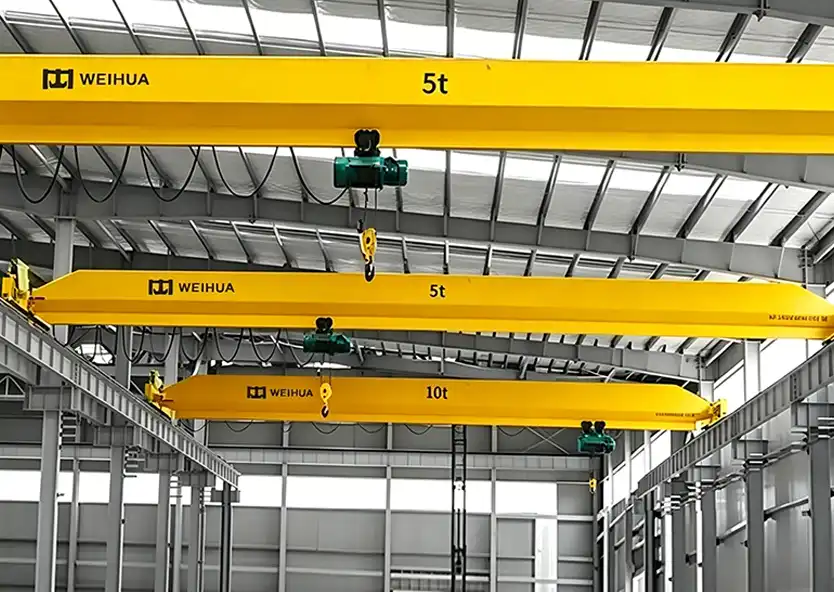
The single-girder overhead crane features a compact structure and is widely used in light to medium-duty applications, making it ideal for workshops with limited headroom.
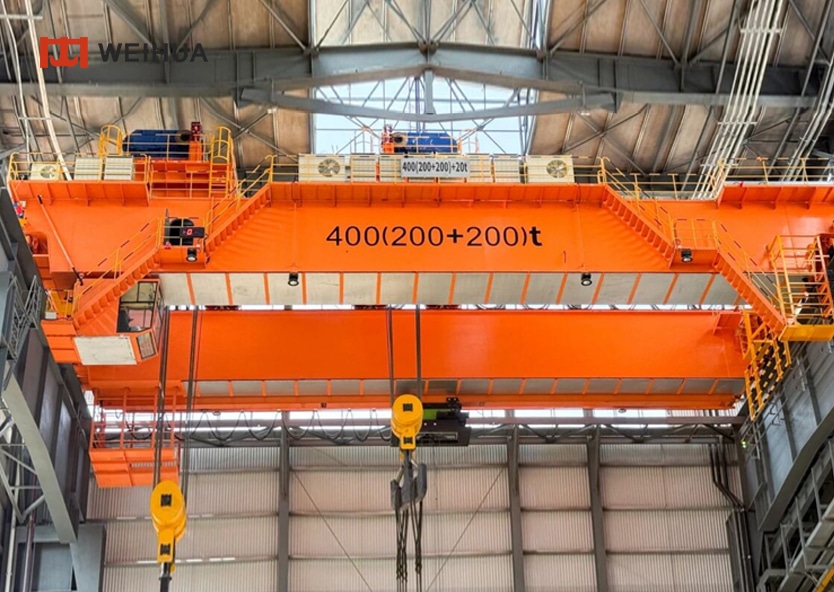
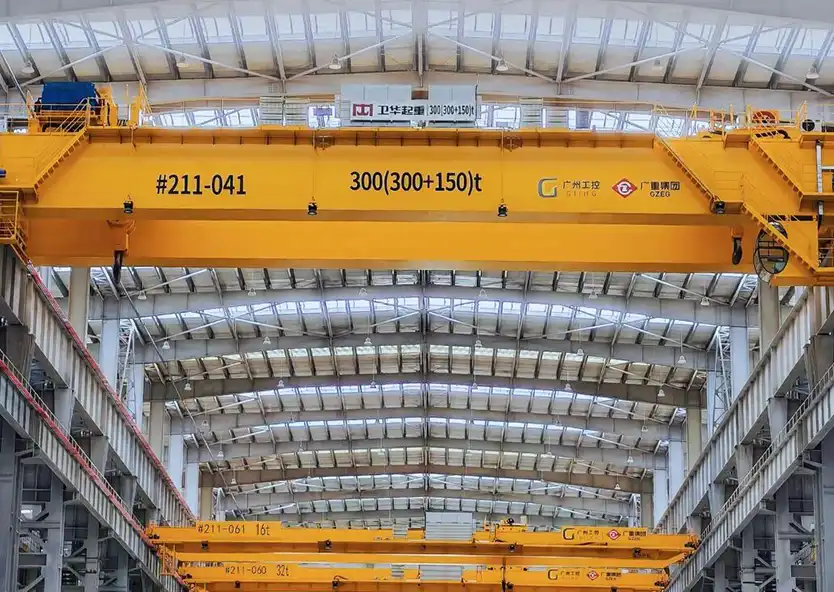
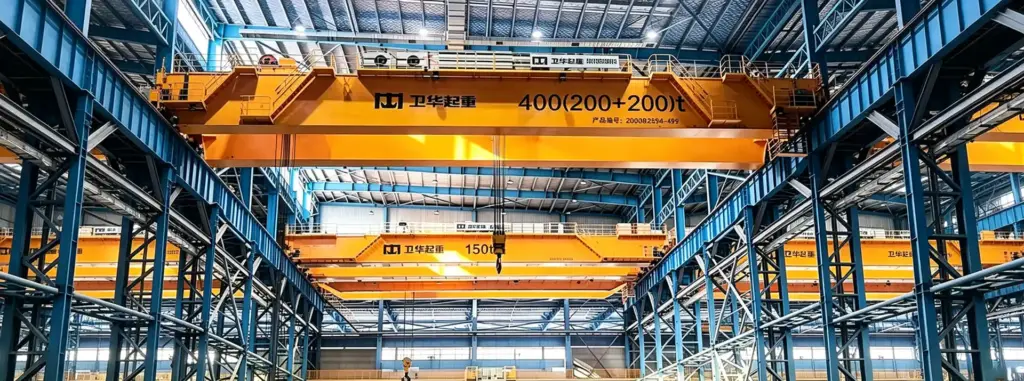
The double-girder overhead crane is specially designed for heavy-duty operations, featuring a greater lifting capacity and a longer hook travel. It is suitable for use in steel mills, heavy equipment manufacturing, mold production, and precast concrete factories.
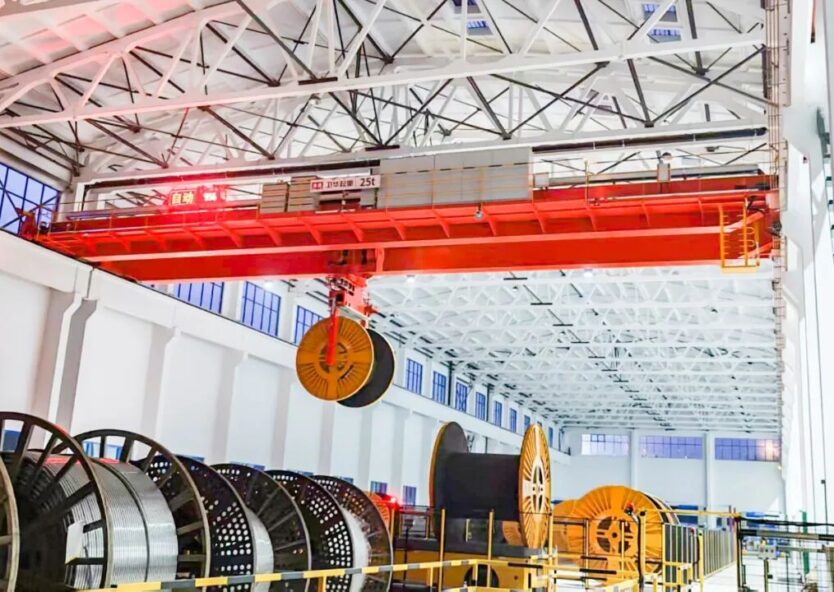
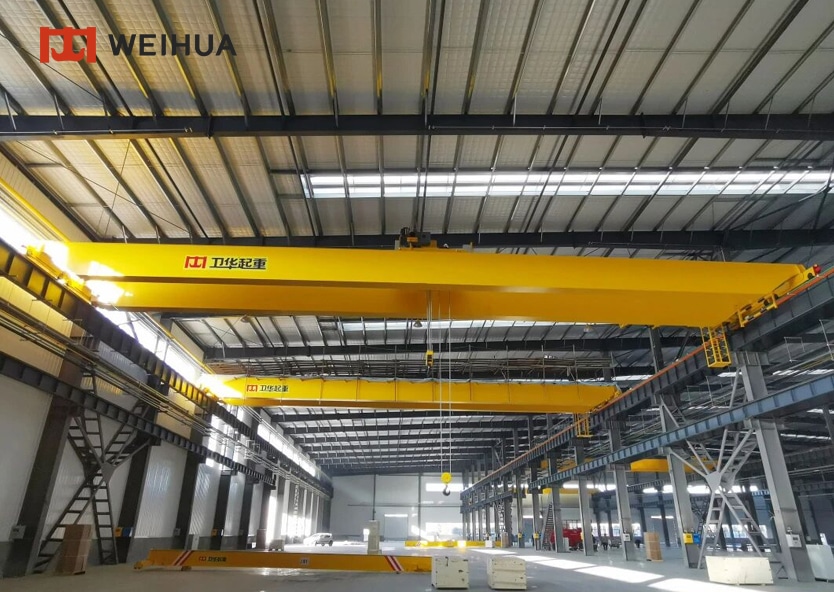
EOT Crane (Electric Overhead Traveling Crane), is a common lifting solution in modern factories. An EOT crane runs along tracks on both sides of the workshop, moving materials quickly and efficiently across the production floor. It ranks among the most common material handling systems found in industrial facilities. Available in single girder and double girder configurations, these cranes can be tailored with different lifting capacities, spans, and control options to suit a wide range of production needs.
Key Factors to Consider Before Purchase
1. Determine the Actual Lifting Capacity
Every factory handles different materials, so lifting capacity varies from project to project. Besides the weight of the load, lifting tools, grabs, magnetic devices, and future production requirements also need consideration. A reasonable safety margin often forms part of the final selection.
2. Evaluate Workshop Dimensions
Workshop dimensions play an important role in crane selection. Building width, height, column spacing, and available hook travel all need consideration.
3. Operating Environment
The working environment is another factor to consider when choosing an overhead crane. High temperatures, humidity, dust, corrosive materials, and outdoor operation may require different motors, electrical components, and protection methods.
4. Future Development
Production capacity rarely remains unchanged for many years. Some factories add new equipment, while others increase output gradually. For this reason, many companies consider future expansion when selecting an overhead crane so that the equipment can adapt to changing production demands.
Why Choose Baite Crane
Baite Crane can offer lifting solutions that meet the actual production requirements, including designs for single and double beams as well as customized products. From the very beginning until the end, our team will maintain close contact with the customers, understand the actual production environment, and provide the best solutions for them.
Frequently Asked Questions
1.How much lifting capacity should my factory choose?
The required capacity depends on the load weight, lifting attachments, and future production needs.
2.Which industries typically use overhead cranes?
Overhead cranes are common in steel plants, warehouses, machinery workshops, automotive factories, and precast concrete plants.
3.Can overhead cranes be customized?
Yes. Customers can choose different spans, lifting heights, speeds, and control systems according to actual requirements.
4.What is the typical service life of an overhead crane
Not a certain service life. Regular maintenance and suitable operating conditions usually support long service life.
5.Why is duty classification important when choosing a crane?
Duty classification reflects operating frequency and helps match the crane to actual production demands.
6.How to choose between single-girder and double-girder overhead cranes?
Single-girder cranes are often used for light lifting. Double-girder cranes are more common when heavier loads or higher lifting heights are required.