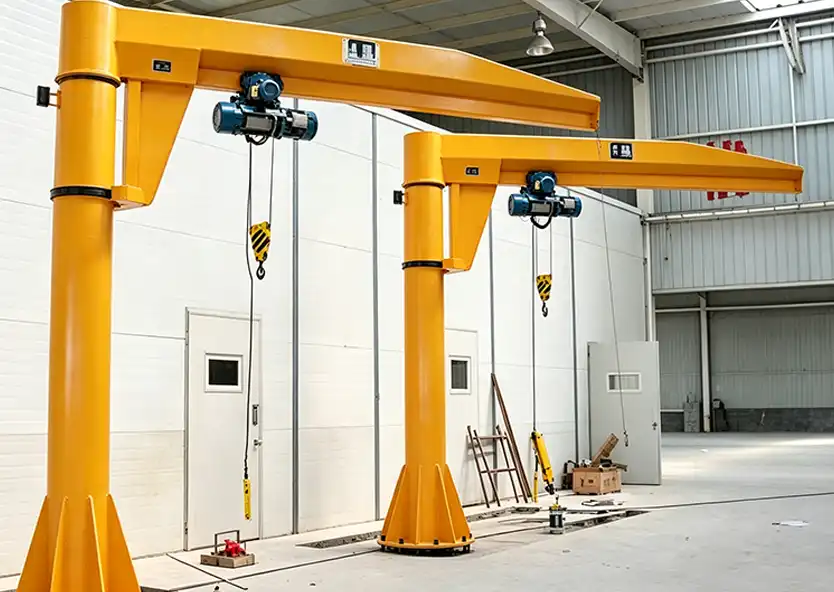
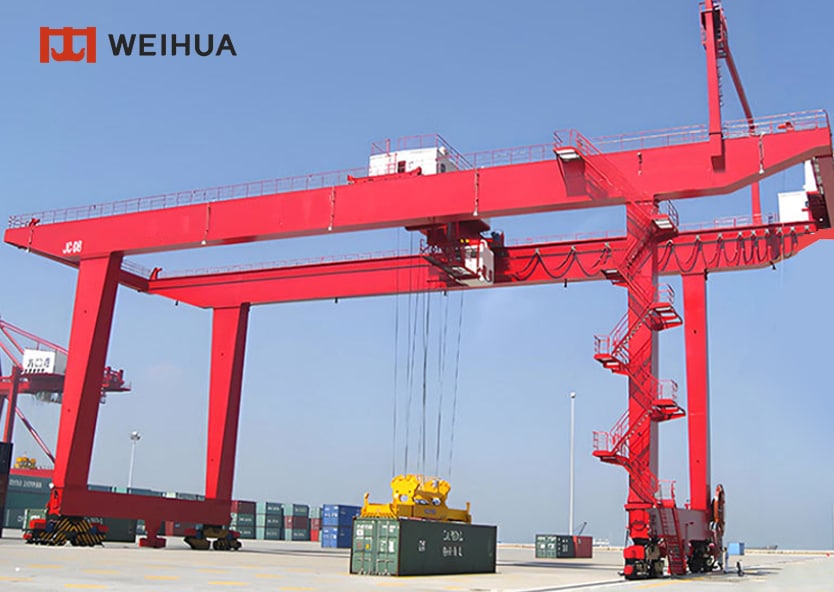
Lots of workshop managers run into trouble when choosing between top-running and underhung overhead cranes. Both types carry loads across your workshop bay, but the way they are fixed and run is not the same at all. A lot of customers first check lifting capacity when they compare cranes. But your building steel frame, available vertical space, and day-to-day lifting work will actually decide which one works better for you. We talk about real features and typical application cases here, so you can find a suitable option before placing your order.
Core structural setup difference
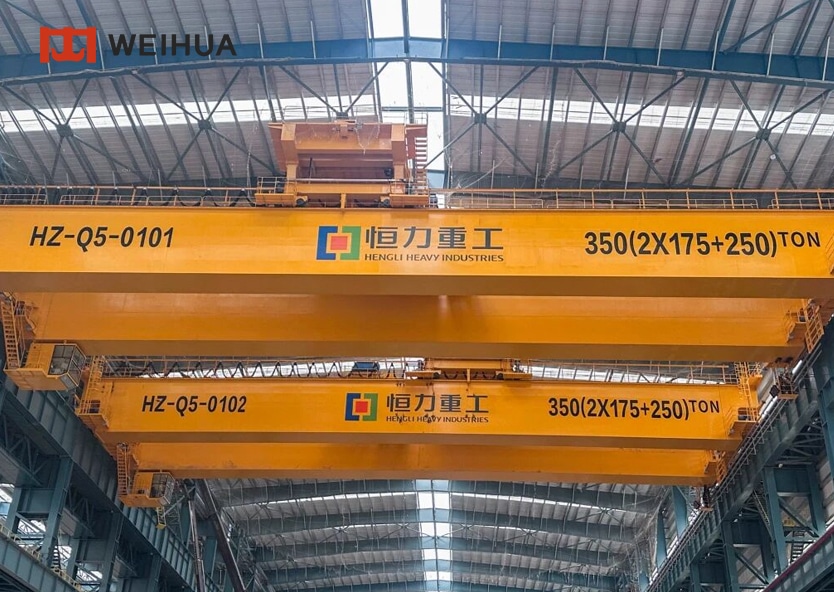
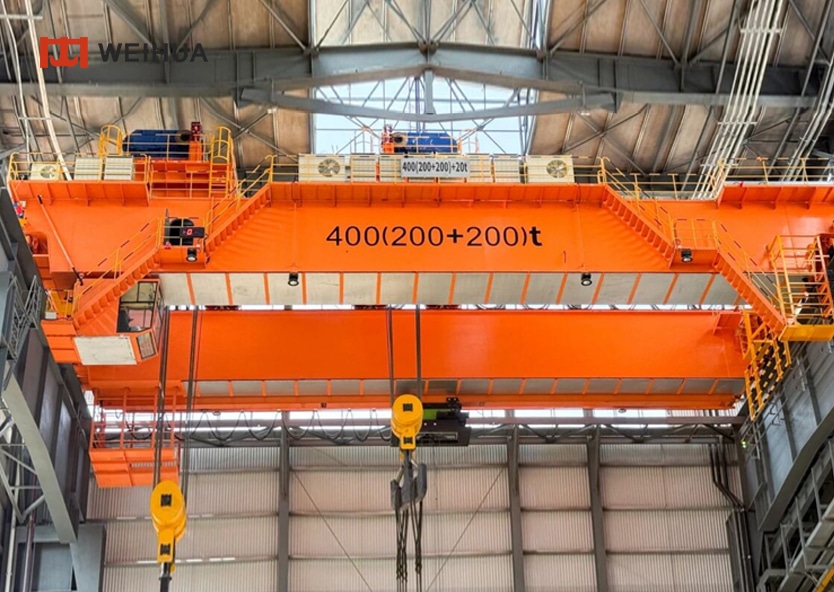
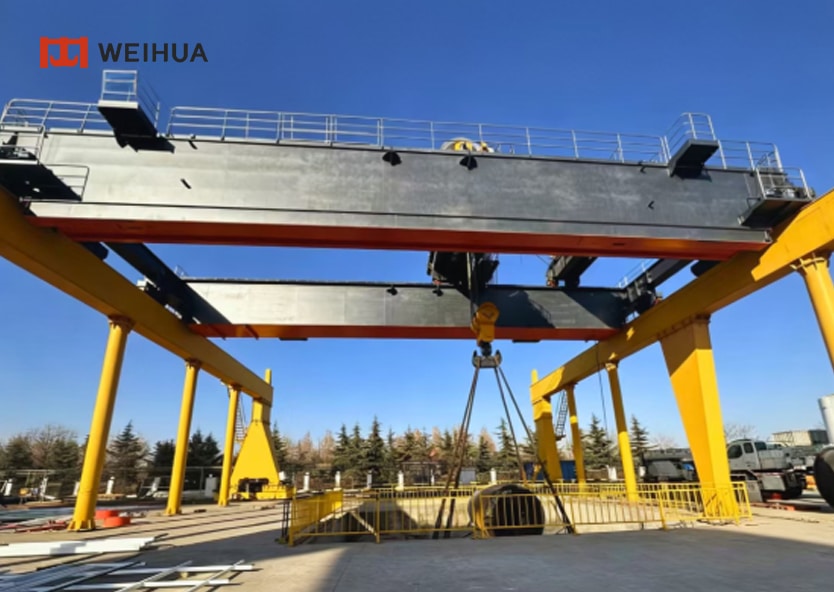
Top‑running overhead cranes have end trucks moving on rails fixed on runway beam tops, and these runway beams sit on building support columns. Underhung cranes, by contrast, hang from the bottom flange of runway beams. The whole bridge beam sits below the runway, instead of rolling on its top surface.
This difference in mounting brings most of their performance gaps. You cannot switch from one type to the other casually. The same set of runway beams usually cannot support both crane styles.
Load‑bearing capacity and span limits
Top‑running cranes can take heavier loads and cover wider spans. You can set them for light workshop tasks, all the way to heavy-duty work over 100 tons for steel mills or large machinery assembly.
Underhung cranes suit light and medium lifting work, mostly from 1 ton to 10 tons. Engineers can make heavy underhung cranes, but this will push the project cost much higher. That is why most factories do not pick underhung models for frequent heavy lifting. If you have a very wide bay, top‑running cranes also offer more reliable span choices.
Headroom and usable working space
Headroom often becomes a key point for workshop renovation projects. Top‑running cranes install rails on beam tops, which takes up some vertical space. But once fitted properly, they can reach a higher maximum hook position.
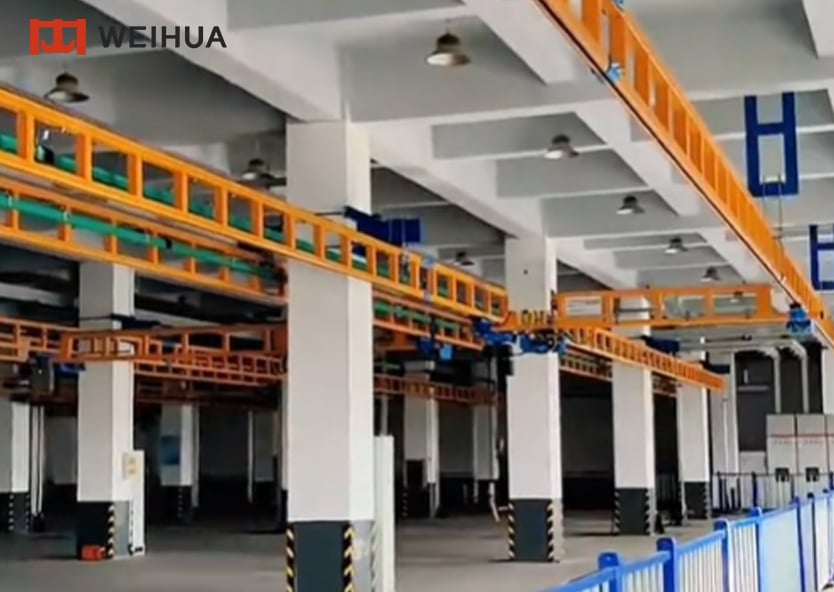
Underhung cranes hang below the beams. They allow the hoist to move closer to both ends of the runway, with better end approach in narrow bays. This advantage helps a lot in assembly shops filled with pipes, ventilation ducts, and overhead conveyors. Do measure the full vertical clearance before you buy, because hanging parts will take up part of your ceiling height.
Installation and building modification needs
When you install a top‑running crane, you need strong runway beams held by columns or reinforced building frames. For old workshops, you may need to add or strengthen columns to bear vertical and side forces from crane movement.
Underhung cranes attach to existing roof or beam flanges, only if the building steel passes structural inspection. This makes them popular for renovation jobs, because you do not need extra support columns that occupy floor space. Even so, you must let a structural engineer check the flange load limit before installation. Weak original steel cannot hold an underhung crane safely.
Typical real‑world application scenarios
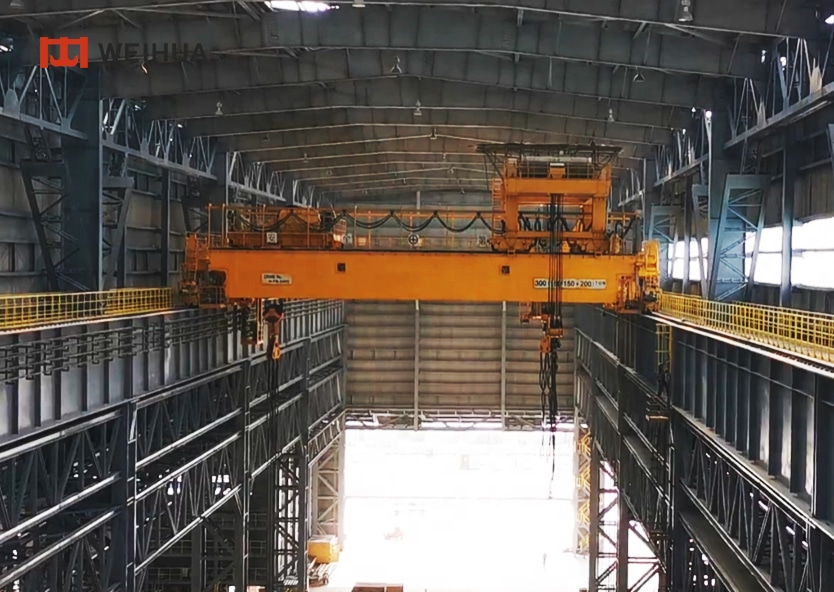
Top‑running cranes work well in heavy manufacturing plants, foundries, power plant maintenance areas, and large fabrication shops. These places handle heavy loads, wide bays, and repeated high-cycle lifting every day.
Underhung cranes fit automotive assembly lines, small machine shops, maintenance rooms, and light-duty warehouses. Multiple underhung cranes can share one runway set. This setup works nicely for separate work cells that need independent lifting tools without adding many new steel structures.
Weihua supplies both top‑running and underhung overhead crane solutions. Our technical team reviews your building drawings, lifting cycles, and future production targets before recommending a suitable configuration for each project.
Frequently Asked Questions
1、Can I replace my old top‑running crane directly with an underhung unit?
You cannot do a direct swap‑out. The two styles transfer force to building steel in different ways. Your team needs a full structural assessment to check if existing beams can handle suspended underhung loads.
2、Which crane type costs less for a retrofit project?
For sites with strong existing roof steel, underhung units often cut modification expense. If your building lacks qualified overhead support, top‑running with new columns may turn out to be the more practical choice.
3、Does an underhung crane allow multi‑crane operation on the same runway?
Yes. Multiple underhung cranes can run on shared runway beams. This setup works well when different work cells need separate lifting tools without adding many new steel structures.
4、Which one demands more routine maintenance work?
Both need regular checks. Top‑running users focus more on rail flatness and end‑truck wheel wear. For underhung cranes, your staff should pay extra attention to all suspension bolt connections and flange stress conditions.
5、Can underhung cranes reach the same duty class as top‑running cranes?
You can specify high duty grades for underhung cranes, but such custom designs raise total investment. Most real‑world underhung installations serve A2‑A4 duty ranges, while top‑running units commonly cover up to A8 for continuous heavy‑cycle work.
6. What key site data should I prepare before asking for crane quotations?
Collect maximum load weight, lifting height, bay span, existing beam drawings, average lifting cycles per shift, and notes about overhead obstacles inside your workshop. These details help Weihua engineers rule out unsuitable options early.