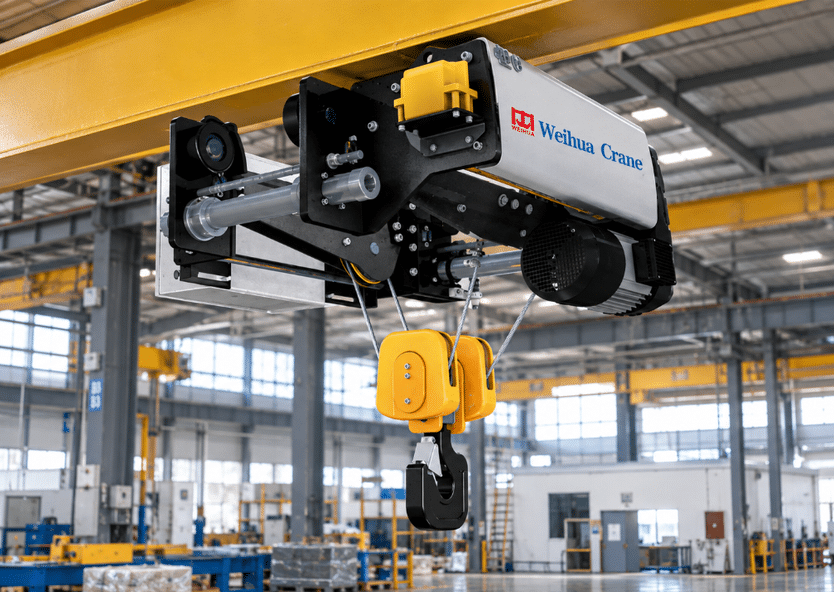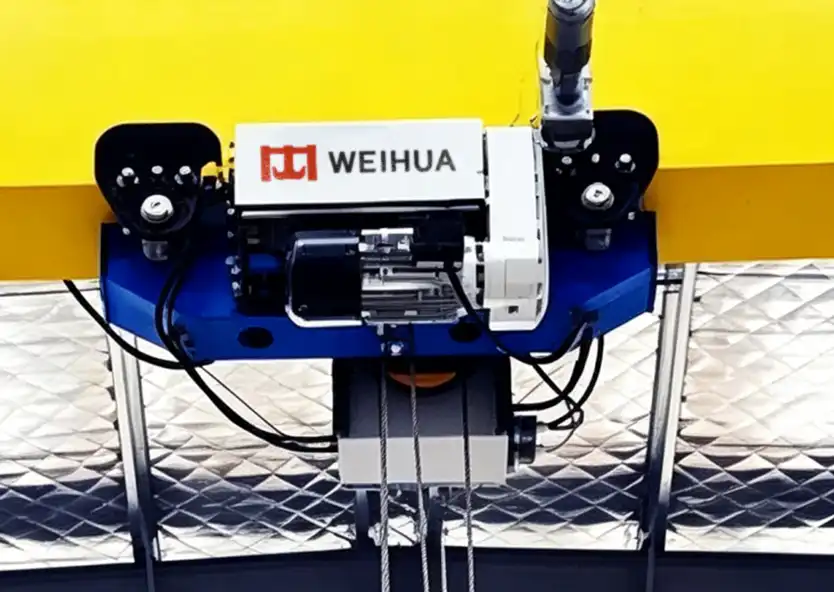
When choosing the overhead crane for production, although single-girder and double-girder cranes are the mainstream products on the market, there are actually some differences between them. Here, through this introduction, I hope to help you have a preliminary understanding of the product selection.
Overview of Single-Girder Overhead Cranes
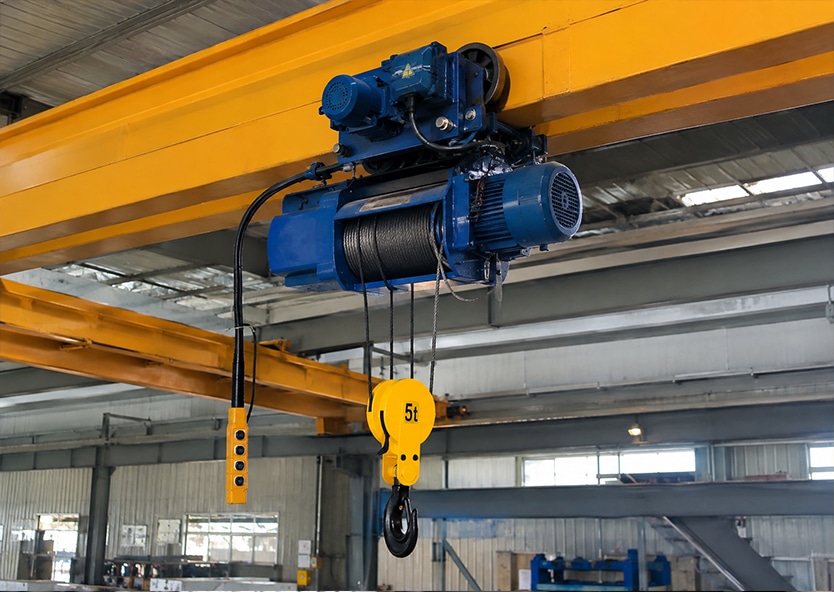
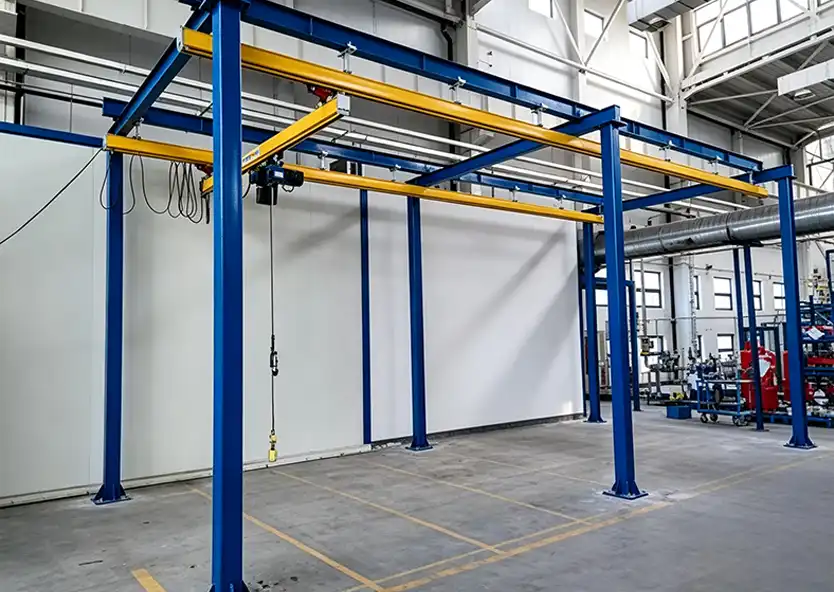
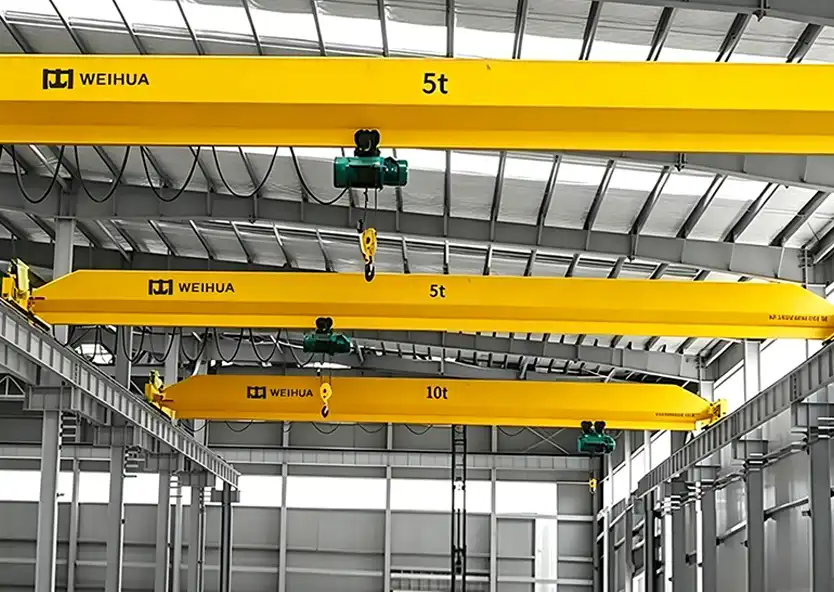
The single-girder overhead crane can meet the daily lifting requirements. It operates beneath a single main girder, and this simple design has become the first choice for many factories. Compared with double-girder overhead cranes, such investment and maintenance costs are usually lower.
Overview of Double-Girder Overhead Cranes
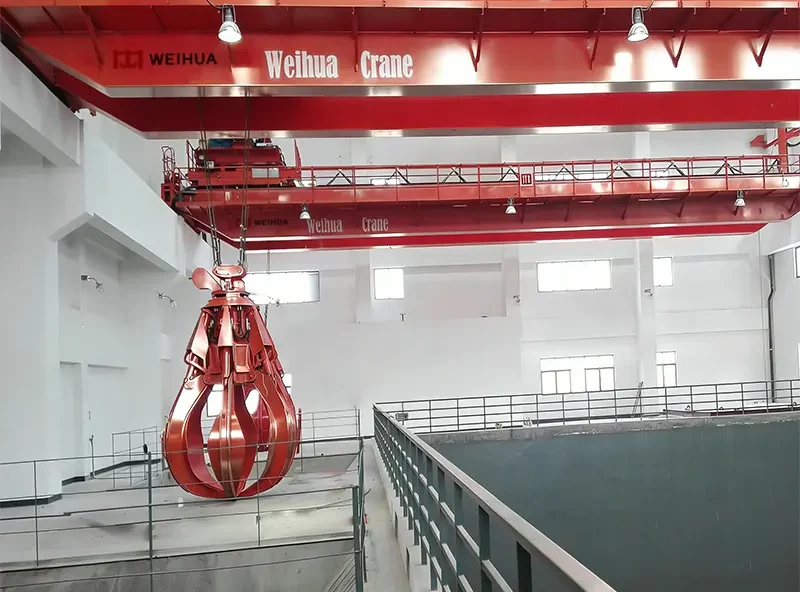
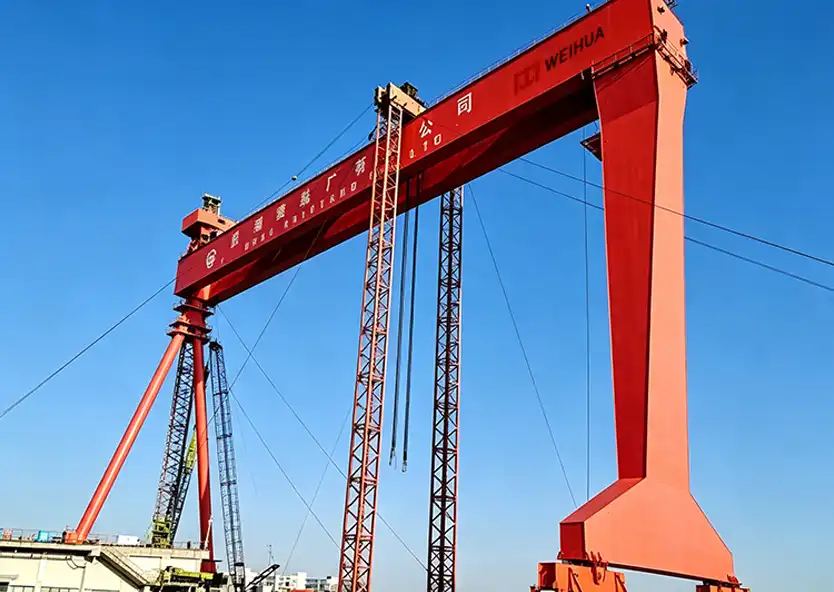
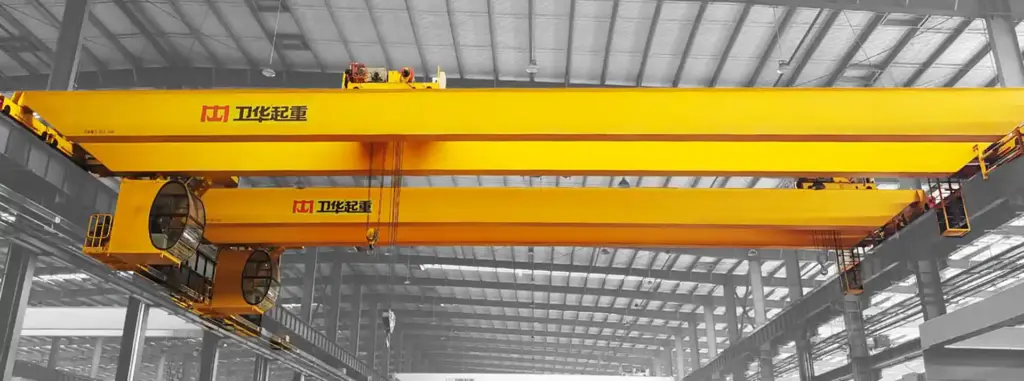
As the production scale expands, lifting operations tend to become more challenging. So the double-girder overhead crane is needed because it has a greater lifting capacity, and the trolley runs on two bridge beams, which can increases the lifting height. This kind of production is commonly seen in heavy industrial facilities such as shipyards and steel mills.
Installation and Maintenance Considerations
There will also be differences in installation between the two products. Since the single-girder overhead crane has a lighter structure, its installation is simpler. The double-girder overhead crane, however, requires more complex and extensive installation preparations.
However, regardless of which product is chosen, daily maintenance is also an important factor in ensuring the lifespan of the product. So, what aspects should be paid attention to during maintenance? Regularly inspecting key components such as steel wire ropes, motors, gearboxes, electrical equipment and safety devices, etc., in this way can ensure the stable operation of the product and a longer lifespan.
How to Choose the Right Overhead Crane
Each workshop is unique, so there is no universal answer when choosing a overhead crane. Some projects place greater emphasis on lifting capacity, while others are constrained by span, height, or working frequency. Taking all these factors into account, it becomes easier to select the equipment that suitable for the application.
Suppliers also play an important role in the project. Experienced manufacturers should not simply offer standard models. Instead, we will review the project, discuss the actual requirements, and recommend solutions that support long-term and reliable operation for customer.
Frequently Asked Questions
1. What is the main difference between single-girder and double-girder overhead cranes?
The main difference lies in the design structure. A single-girder overhead crane is placed beneath one beam to bear the weight of the crane, while a double-girder overhead crane is mounted on two beams and moves through a trolley. So the double-girder overhead crane has a higher loading capacity.
2. How do I know how much lifting capacity is needed?
Since this is a non-standard product, in addition to choosing the loading capacity, you also need to pay attention to future development and the frequency of production work.
3.When to choose a double-girder overhead crane?
When the production work is more frequent or spans a longer period, and the lifting hooks are larger, a double-girder overhead crane can be chosen.
4.Are your products customizable?
Of course, we can customize the solution according to the actual production needs of the customers.
5. How long can a bridge crane be used?
The service life largely depends on daily operation and maintenance. If inspections and regular maintenance are carried out well, many cranes can continue to operate reliably for over 20 years.
6.Which type of crane has a lower load on the building?
Single-girder overhead cranes have relatively simple structures and are relatively lightweight in total weight. But the final design choice should also be based on the actual project requirements.