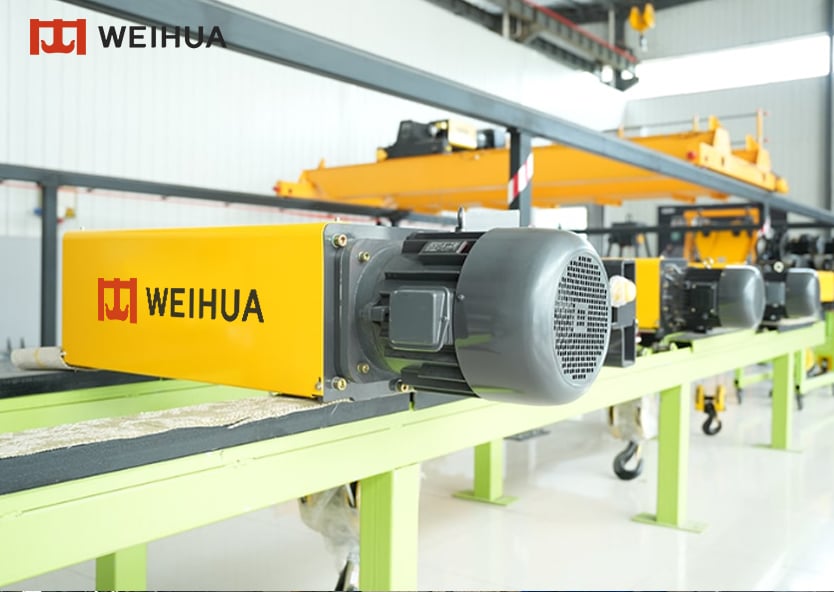
When choosing an electric hoist, the rated load is not the only thing to check. Installation space, lifting height, crane structure, and working conditions all matter. A European-type electric hoist has a compact design and can be configured for different types of lifting work. Here are seven practical benefits to consider when selecting this type of hoist.
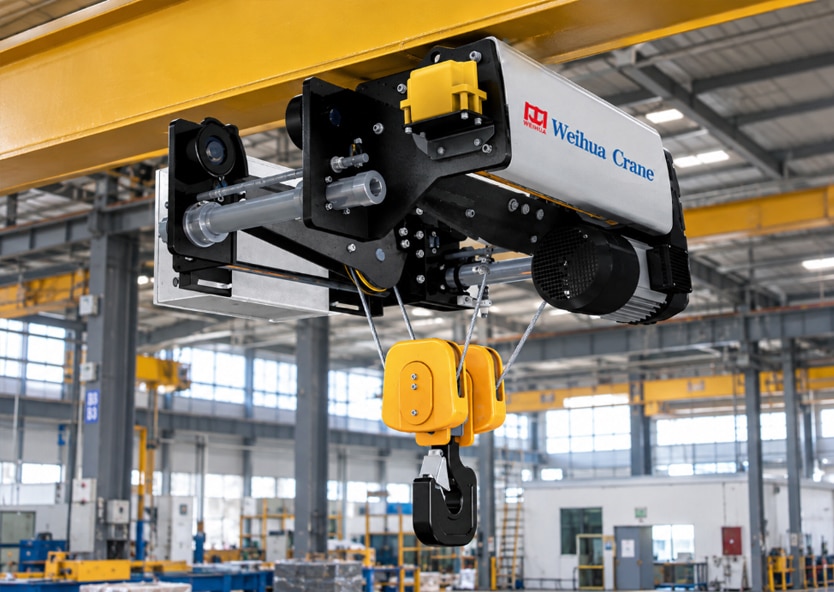
Compact Design Saves Installation Space
Space can be limited in a workshop, especially when the crane has to work around existing machines, production lines, or other equipment. A large hoist can also affect the available lifting height.
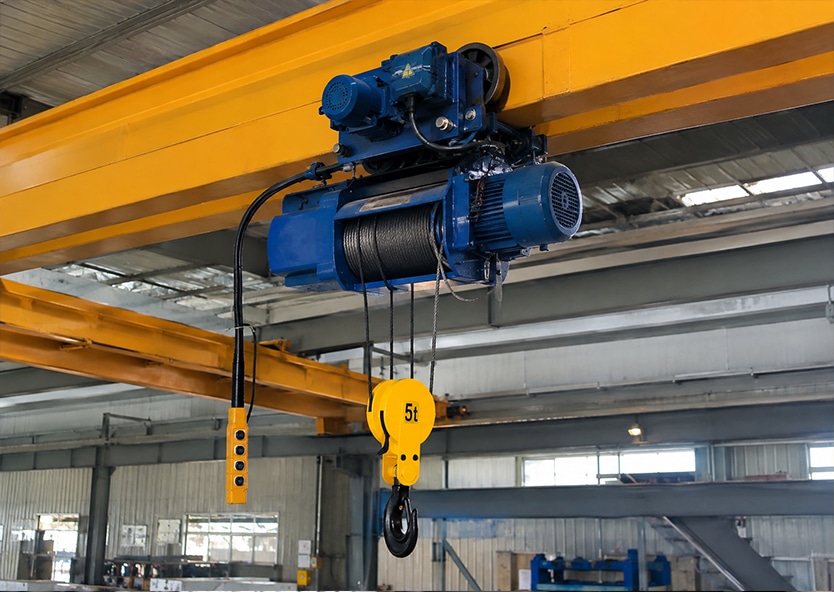
European-type electric hoists use a compact design to keep the equipment size under control. This leaves more room around the crane and can be useful where headroom is limited.
The required installation space is not the same for every project. Crane span, lifting height, load capacity, and the layout of the workshop all need to be checked before the hoist is selected.
Smooth Lifting Makes Load Positioning Easier
Moving a load is one thing. Putting it in the right place is another. When a load starts or stops too suddenly, it can swing and make positioning more difficult.
European-type electric hoists are designed for smooth lifting and stable movement. For applications that require more precise speed control, a variable frequency drive (VFD) can be used. It allows the operator to control starting, stopping, and speed changes more smoothly.
This is useful when installing equipment, assembling parts, or carrying out maintenance work. The control setup can be selected according to the actual lifting task.
More Than One Control Method
Different workplaces call for different ways of operating a hoist. A pendant control may be enough for a small working area. A radio remote can be more convenient when the operator needs to stand farther away from the load.
European-type electric hoists can be equipped with pendant or remote control. The choice depends on the crane layout, working area, operator position, and the type of work being carried out.
VFD control is also available for applications where smoother speed changes are needed. Choosing the control system together with the hoist helps avoid changes later.
Modular Design Makes Service Work Easier
An electric hoist needs regular inspection and maintenance throughout its service life. Easy access to the main components can save time during routine checks and repairs.
The modular design of a European-type electric hoist keeps the main parts arranged in a clear and practical way. This gives maintenance personnel easier access when checking the equipment.
Parts such as the wire rope, brake, limit switches, and electrical components still require regular inspection. Maintenance should follow the manufacturer’s instructions and take the actual working conditions into account.
Suitable for Daily Material Handling
In a factory, lifting is often part of the normal workday. Materials need to be moved, machine parts need to be positioned, and equipment sometimes needs to be lifted for installation or maintenance. A hoist can take care of these jobs without taking up much working space.
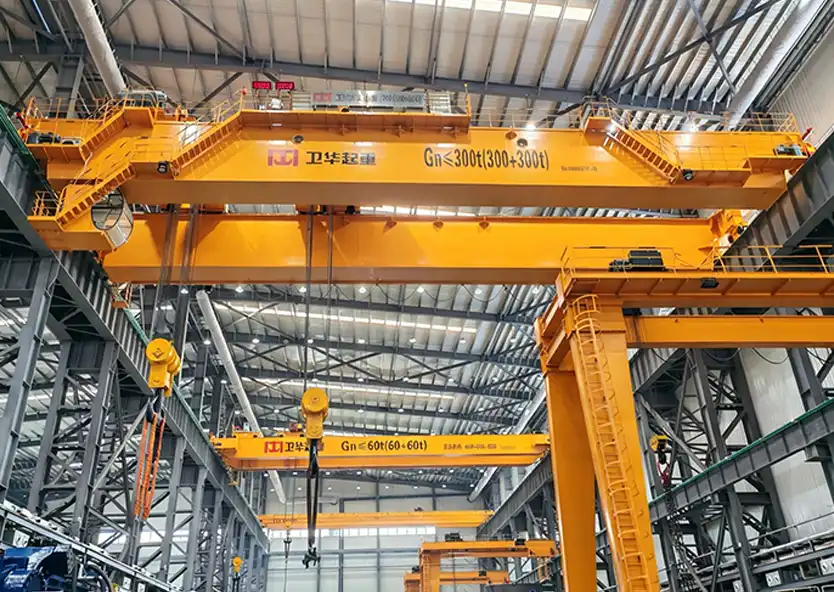
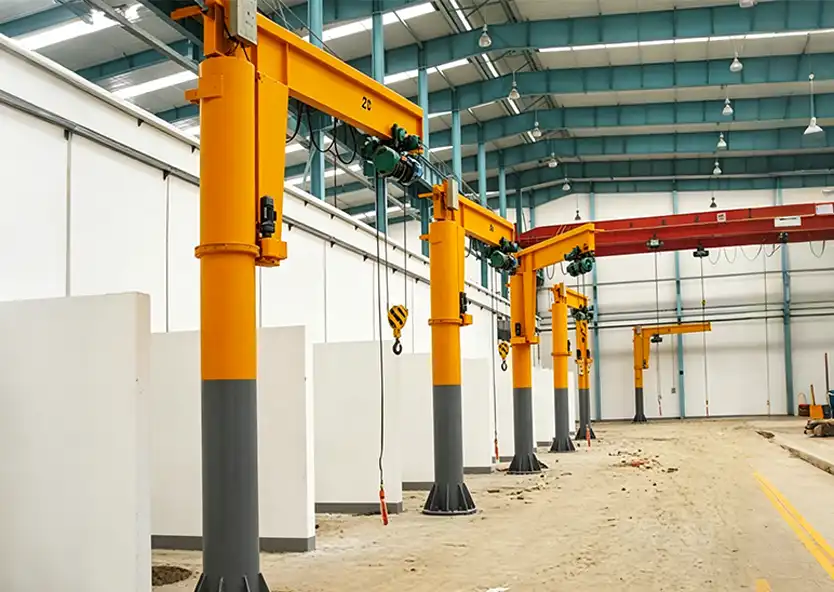
A European-type electric hoist can be used for material handling in factories, workshops, warehouses, and assembly areas. It can be installed on an overhead crane or used as part of another suitable lifting system, depending on the project.
The working conditions are the starting point when choosing a hoist. Consider the weight of the load, lifting height, how often the hoist will be used, and the required travel speed. These details help determine which hoist is suitable for the job.
Lower Noise During Operation
Noise is another practical issue when a crane is installed in a busy workshop. Workers may be operating several machines in the same area, so unnecessary equipment noise can become noticeable during a normal working day.
European-type electric hoists are designed for smooth mechanical operation and relatively low operating noise. This makes them suitable for workplaces where the crane operates close to workers or other production equipment.
The noise level will vary between models and working conditions. Lifting speed, load, installation, and the surrounding environment can all affect the final result. If noise is an important requirement for a project, it should be discussed during equipment selection.
Configurations Can Be Matched to the Job
Not every lifting job has the same requirements. A warehouse may need a different setup from a production workshop. Lifting height, working frequency, power supply, travel speed, and control method can all change from one project to another.
Weihua’s European-type electric hoist range covers lifting capacities from 1 to 20 tons and lifting heights from 6 to 30 meters. Other specifications can be configured according to the requirements of the project.
Rather than choosing the largest available model, it is better to start with the actual working conditions. The hoist also needs to match the crane structure and provide the required lifting and traveling performance.
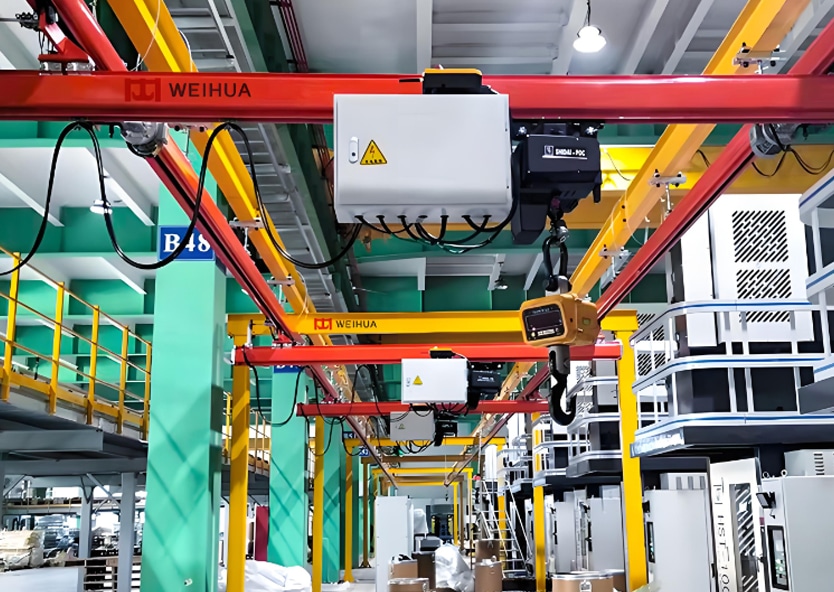
What Should You Check Before Buying a European Type Electric Hoist?
Start with the load. How heavy is the material that needs to be lifted, and how high does it need to go? These are usually the first two questions to answer.
Next, look at the available headroom and installation space. The crane structure, travel distance, lifting speed, and power supply should also be confirmed. If the hoist will work outdoors or in a dusty or humid environment, the protection requirements may be different as well.
It is best to give the crane manufacturer as much information about the working site as possible. A clear description of the application makes it easier to select the right hoist configuration from the beginning.
Conclusion
A European-type electric hoist is a practical option for many industrial lifting applications. Its compact design can help save installation space, while smooth lifting and flexible control make everyday load handling easier. The modular structure is also useful when inspection and maintenance are required.
The important point is to match the hoist to the job. Load, lifting height, working frequency, installation space, control method, and working environment should all be checked before the final model is selected.
For factories, warehouses, and assembly areas, the right European-type electric hoist can provide reliable lifting and material handling for routine operations.
Frequently Asked Questions
1. What is a European-type electric hoist?
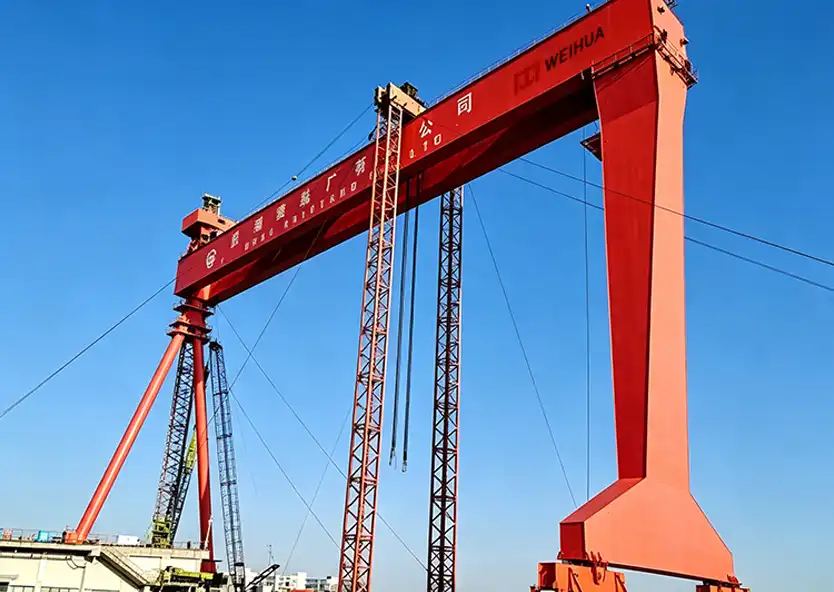
A European-type electric hoist is an electric lifting device with a compact structure and modular design. It can be used on overhead cranes, gantry cranes, and other lifting equipment.
2. What are the main benefits of a European-type electric hoist?
The main advantages include its compact size, smooth lifting performance, flexible control options, modular design, and relatively low operating noise. Different configurations are also available for different lifting requirements.
3. What lifting capacities are available?
Weihua’s European-type electric hoists are available with lifting capacities from 1 to 20 tons. The suitable capacity depends on the load, lifting height, working frequency, and other requirements of the application.
4. Can a European type electric hoist be customized?
Yes. The hoist can be configured for the requirements of a specific project. Lifting capacity, lifting height, control method, power supply, and working environment can all be taken into account when determining the final configuration.
5. How do I choose the right European type electric hoist?
First, confirm the maximum load and lifting height. Then check the available installation space, working frequency, travel requirements, power supply, control method, and working environment. These details give the manufacturer the information needed to recommend a suitable model.