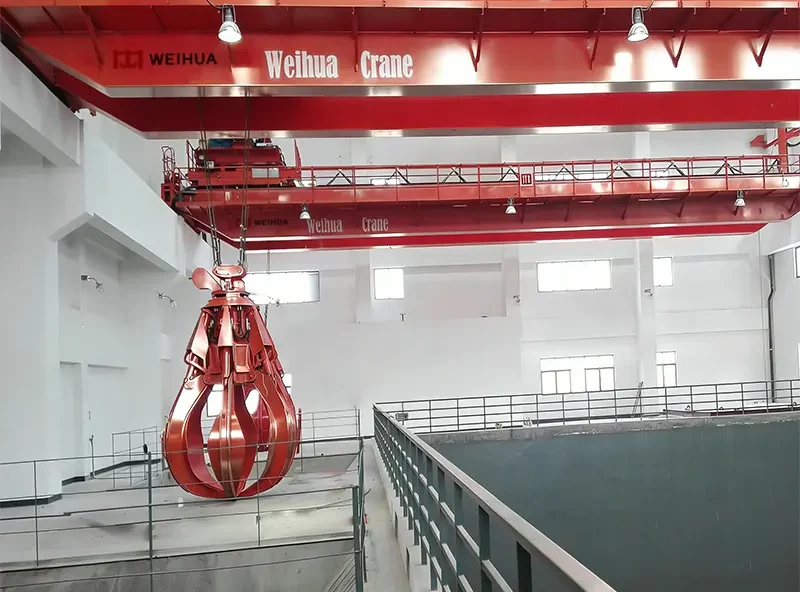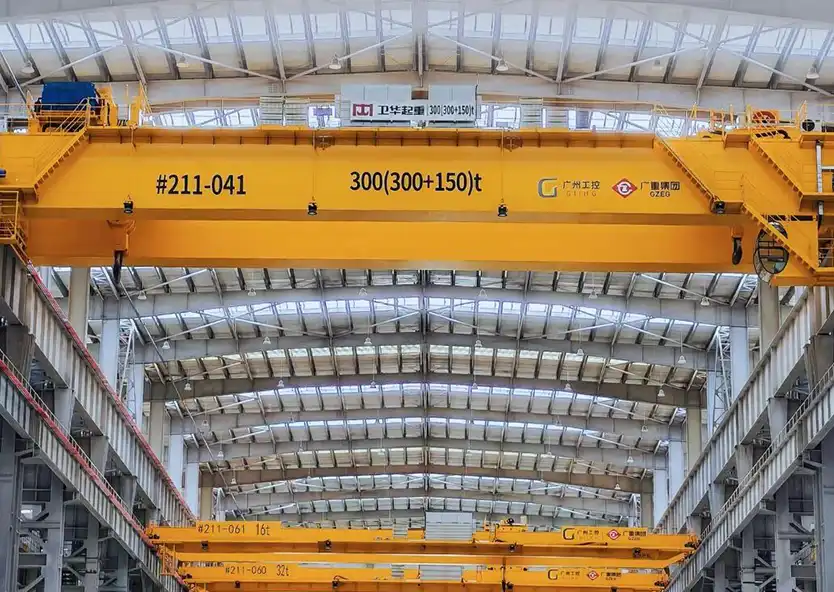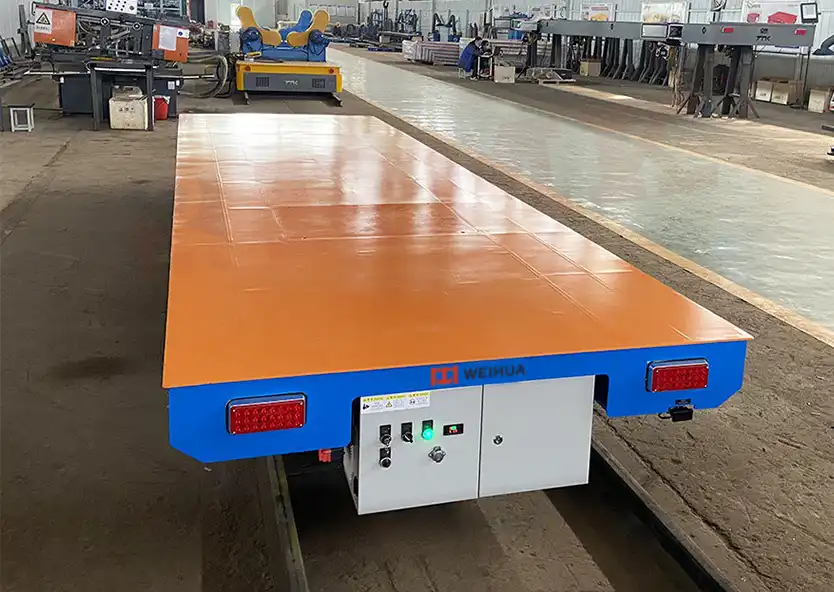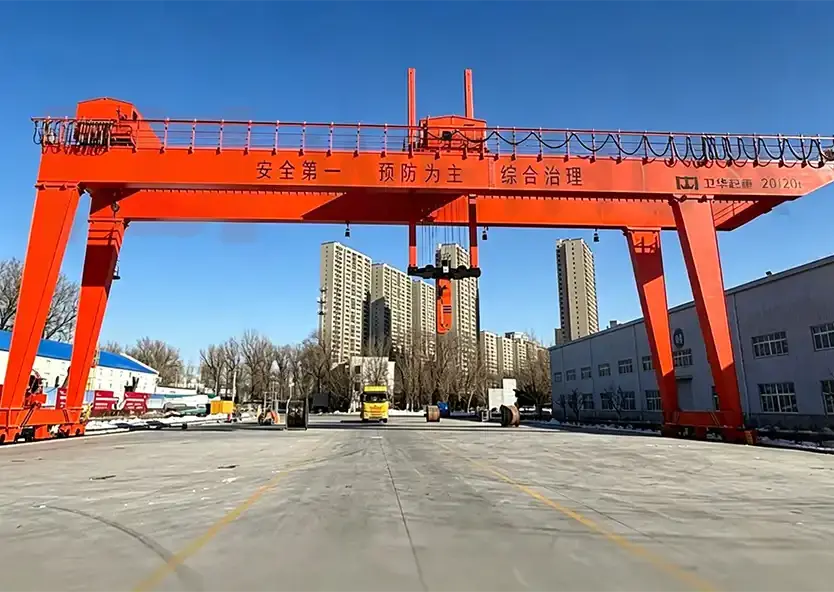
When choosing an overhead crane for factory operations, one should not merely focus on its maximum lifting capacity. A suitable crane must be matched to the operation methods of your factory.
Factors such as load capacity, span, lifting height, application purpose, available space, power supply, and operating environment all influence the final configuration plan. Additionally, the crane should be adapted to the workshop layout and the frequency of lifting operations.
Just follow me; I will introduce the main types of overhead cranes, key technical parameters, and the core issues you need to consider before placing an order.
What is an overhead crane?
In simple terms, an overhead crane is a lifting system used to move loads horizontally and vertically within industrial facilities.
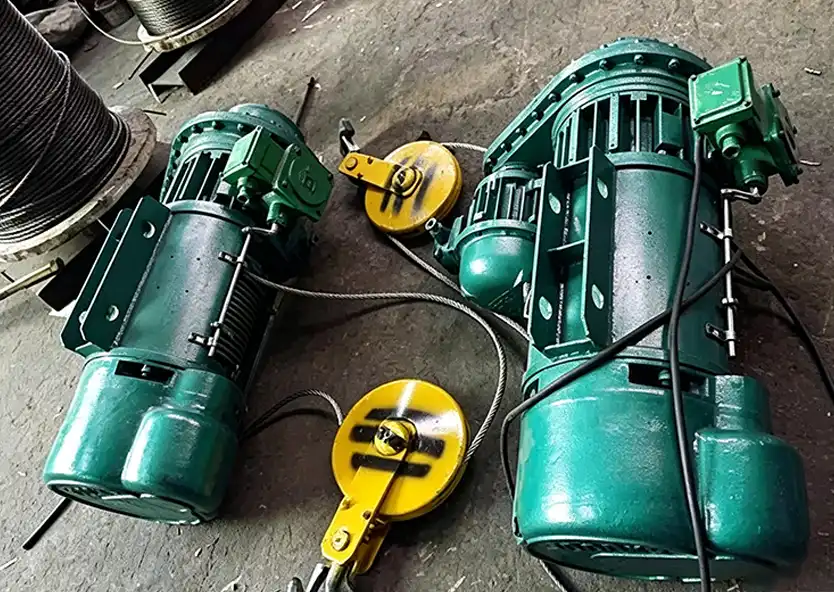
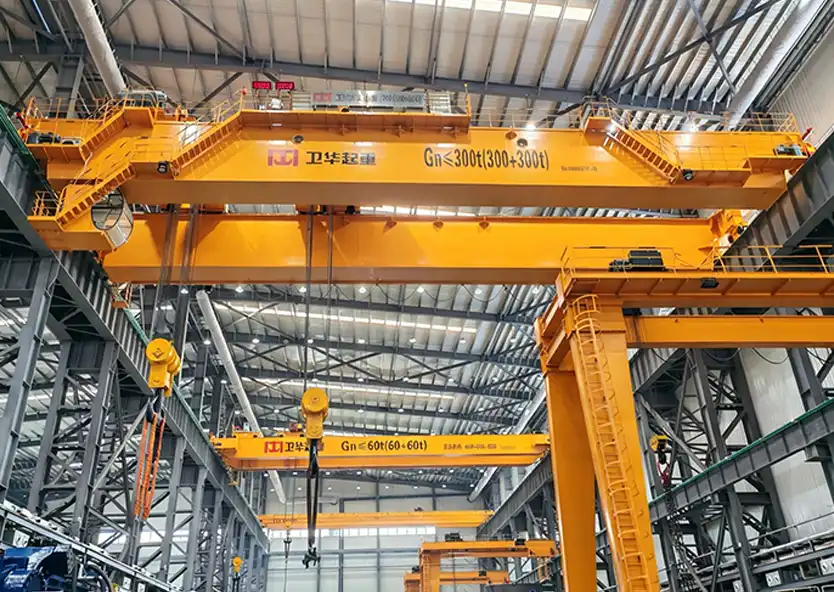
A typical system consists of a bridge structure, end trucks, hoists, lifting mechanisms, electrical systems, control systems, and track systems. It is generally divided into single-girder and double-girder types.
Its main advantages are obvious: the crane can move above the working area without occupying the ground space required by many ground-based lifting equipment.
However, the specific configuration needs to be determined based on the actual application. For example, a small workshop that only handles light loads does not require the same crane design and configuration as a steel factory that handles heavy loads on a 24/7 basis.
Types of Overhead Cranes
Single-Girder Overhead Crane
The single-girder overhead crane features one main bridge beam and is the most common choice for light to medium lifting applications. It offers a cost-effective solution with lower dead weight and simpler installation, making it ideal for workshops with limited headroom and moderate lifting capacity requirements.
Double-Girder Overhead Crane
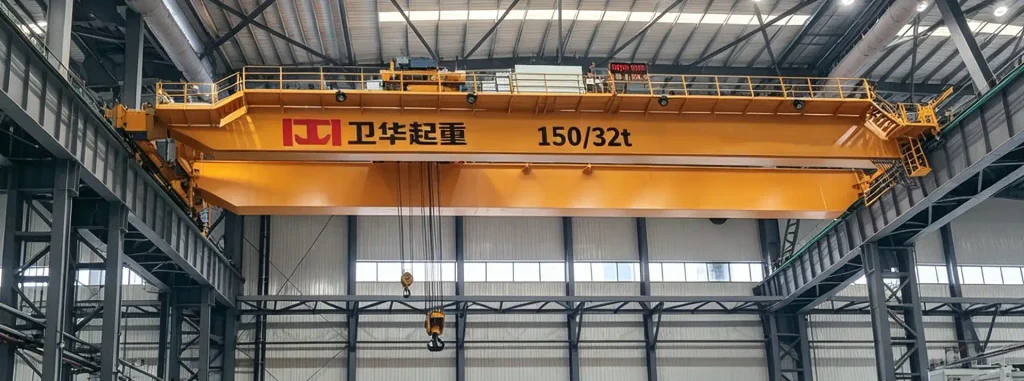
The double-girder overhead crane is equipped with two main bridge beams, providing greater strength and stability. It is designed for heavy-duty lifting operations, offering higher lifting capacity, longer span, and better hook approach. This type is widely used in steel mills, heavy manufacturing, and large-scale industrial plants.
EOT Crane
EOT (Electric Overhead Traveling) cranes are electrically operated overhead cranes that travel along elevated runways. Factories and warehouses commonly use them for precise load handling. EOT cranes come in either single-girder or double-girder designs and provide reliable performance and easy operation.
Top Running Overhead Crane
The top running overhead crane features bridge wheels that run on top of the runway rails. This design allows for maximum lifting height and higher load capacity. It is the most widely used crane type in heavy industry, offering excellent stability and smooth travel performance under demanding working conditions.
Low Headroom Overhead Crane
The low headroom overhead crane is specially designed for facilities with limited ceiling height. By optimizing the structural configuration, it maximizes lifting height within confined spaces. This type is particularly suitable for workshops with low roofs or where every inch of vertical space matters.
European Type Overhead Crane
The European type overhead crane represents the advanced design concept of modern material handling. Characterized by its compact structure, lightweight design, and high-performance components, it offers superior efficiency, energy savings, and precise control. It is increasingly popular in industries that demand high productivity and low maintenance costs.
Key Specifications
Lifting Capacity – The maximum rated load the crane can handle. Choose based on actual needs, not overcapacity.
Span – The distance between runway rails, determined by workshop layout. Larger spans affect structural design and wheel load, so accurate workshop dimensions are essential.
Lifting Height – The maximum hook rise height, determined by load height, storage location, equipment clearance, and required headroom.
Working Duty Class – Indicates operation frequency and load conditions. Light maintenance cranes differ from production line cranes. Weihua cranes are classified from A3 to A8 based on configuration and application.
Lifting & Traveling Speeds – Affects load handling and positioning efficiency. Higher speed is not always better for precise work. A variable frequency drive (VFD) is optional for controlled movement.
What Information Should You Prepare Before Buying?
A complete inquiry helps the manufacturer provide a more accurate recommendation and quotation.
At a minimum, prepare:
- Lifting capacity
- Span
- Lifting height
- Runway length
- Working duty
- Application
- Working environment
- Power supply
- Control method
- Required lifting and travel speeds
- Existing runway information
- Workshop drawing, if available
If you are replacing an existing crane, photos and the current crane specifications can also help the supplier understand the application.
The more complete the information is, the fewer assumptions the engineering team needs to make.
Frequently Asked Questions
1. How to choose between single-girder and double-girder overhead cranes?
The choice depends on lifting capacity, span, lifting height, application, and actual operating conditions.
Single-girder cranes are generally used for standard lifting operations, while double-girder cranes are preferred for higher capacity or more demanding applications.
2. What information is needed for a crane quotation?
You should provide details such as lifting capacity, span, lifting height, runway length, working duty class, operating environment, and power supply.
Providing workshop layout drawings would also be very helpful. Weihua recommends supplying these basic project details when requesting a quotation.
3. Is customization supported?
Yes, our products are fully customizable to meet your specific requirements.
4. What is the difference between lifting speed and crane traveling speed?
Lifting speed refers to how fast the hoist moves vertically (up and down).
Crane traveling speed refers to how fast the entire bridge moves along the runway.
Trolley traveling speed is different — it refers to how fast the trolley moves along the bridge girder.
5. Do I need to provide the overhead runway system?
This depends on the project.
Some customers already have a suitable track system in place, while others may require new tracks or a complete runway solution.
6. How to obtain an accurate crane quotation?
To obtain an accurate quotation, lifting capacity alone is not sufficient.
Manufacturers typically need detailed information, including lifting capacity, span, lifting height, working duty class, runway length, power supply, operating environment, and control requirements.