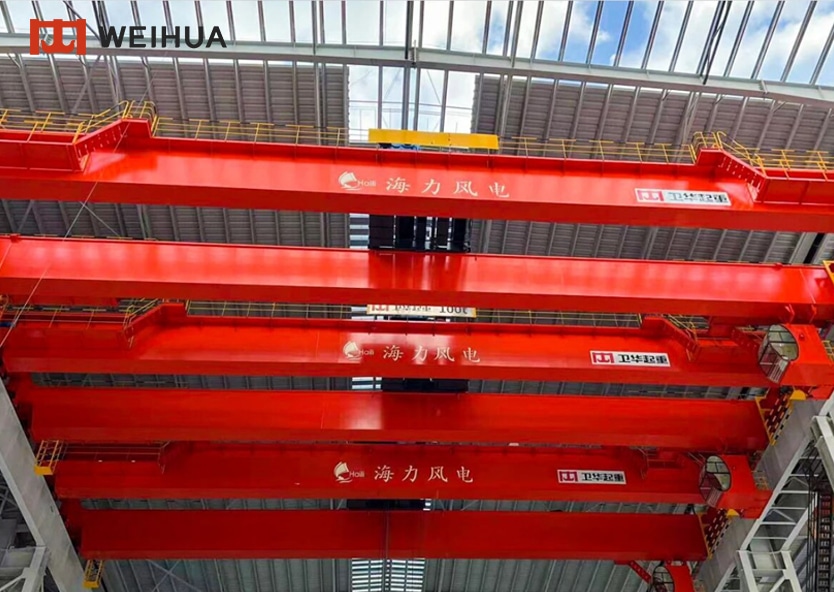
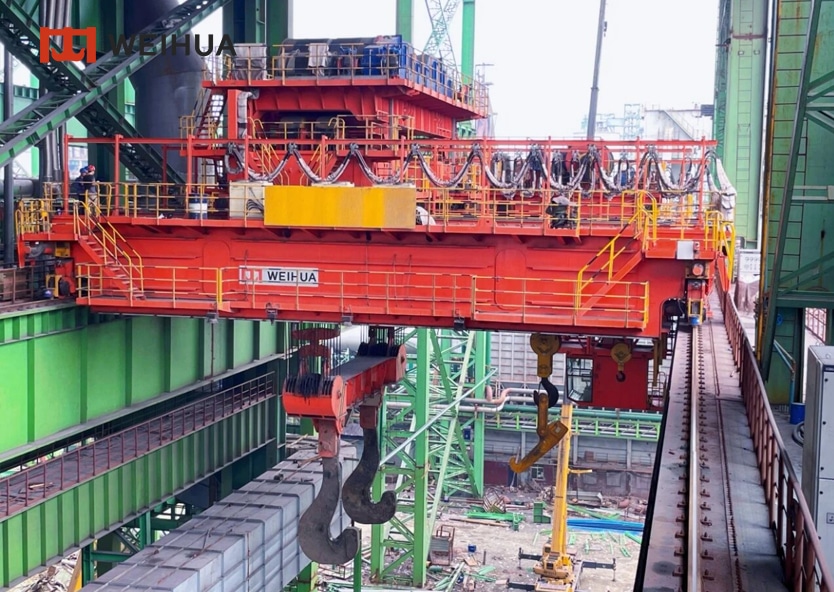
Workshops stuck with limited overhead space often hit a common lifting issue. You need consistent lifting capability, but standard hoists eat up vertical clearance and limit how far your hook can move. Between low headroom and standard hoists, which suits your workshop best? We look closely at both designs, lay out their practical upsides and downsides, and guide you toward the right hoist for your low-ceiling setup.
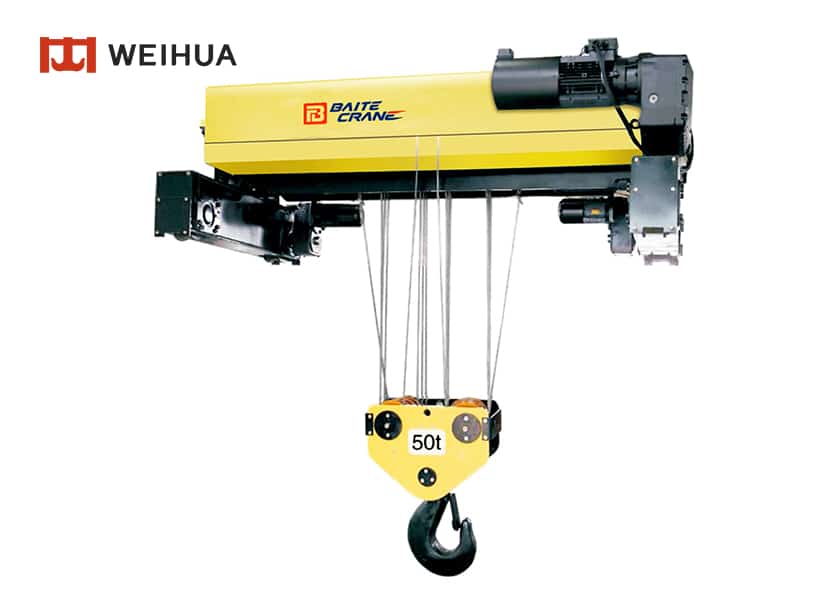
First, let’s clarify how these two hoist types physically differ. A standard hoist hangs straight below its trolley. This layout creates a larger vertical gap between the bottom of the runway beam and the highest hook position. Take a common 2-ton electric chain hoist as an example. Most standard models call for 550–700 mm of headroom between the bottom of the runway beam and the hook at its highest position.
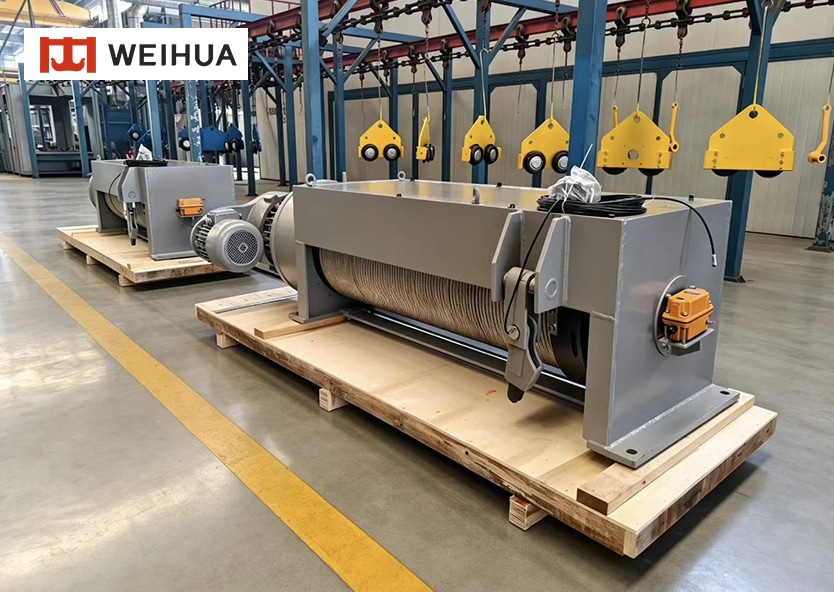
A low headroom hoist places its main housing next to the trolley, rather than hanging straight down below it. This side-mounted layout cuts down the vertical space it takes up a lot. That same 2-ton low headroom model only needs 220–350 mm headroom. You get around 250–450 mm more working lift height, and you do not need to alter your building structure. Better still, this layout does not change the rated load. You will not give up lifting capacity just to fit a low ceiling.
When Standard Hoists Make Good Sense
Standard hoists are still widely used across industrial workshops with plenty of overhead room. Their straightforward mechanical design lets manufacturers offer them at a lower starting price. You also find broader spare-part availability for standard hoist models across global markets.
Standard hoists are straightforward to install and service over the years. Technicians get easy access to chains, motors, and limit switches, with no tight, awkward spots slowing them down. Pick a standard hoist if your workshop has adequate ceiling height, and your top priorities are uncomplicated installation and affordable ongoing upkeep.
Why Low Headroom Hoists Shine for Low-Ceiling Workshops
Now let’s turn to sites with tight overhead limits. Older factories, retrofitted workshops and sites with overhead pipes or ventilation ducts rarely have extra vertical clearance. A standard hoist fitted here may limit the hook’s maximum lift, even if your floor-to-beam measurement looks good on paper.
Low headroom hoists solve this pain point. Because they maximize hook travel within existing building limits, you avoid expensive roof-raising construction work. Even though low-headroom units carry 15–30 percent higher upfront costs than equal-capacity standard hoists, you save massive building-renovation expenses in return. Many fabrication and assembly workshops rely on this hoist style to lift mid-sized workpieces without striking overhead obstructions.
One practical note to keep in mind. Low-headroom hoists require precise matching between trolley and beam during installation. Misalignment creates extra wear on chains and guide parts, so follow the supplier’s mounting guidelines carefully.
Key Checks Before You Make Your Final Selection
Before placing your order, go through these quick checks. First, measure the clear vertical space under the runway beam, not just overall ceiling height. Second, note the maximum lift height you need for your largest workpieces. Third, mark overhead obstacles like cable trays and ventilation ducts.
If a standard hoist leaves less than 400 mm of safe clearance at full lift, a low headroom model will be the better fit. If you have plenty of overhead space and want cost-effective daily operation, stick with standard hoist equipment. You can also work with your hoist supplier to run dimension checks tailored to your workshop layout.
Frequently Asked Questions
Q1: Does a low headroom hoist reduce maximum lifting capacity?
A: No. Low-headroom design optimizes component layout for vertical space savings and keeps the original rated load capacity identical to standard hoists of the same specification.
Q2: How much extra budget should I prepare for a low headroom hoist?
A: Low-headroom hoists normally cost 15–30% more than standard hoists with equal capacity. However, you cut huge civil-construction costs when you skip roof modification work.
Q3: Can I retrofit an existing overhead crane with a low headroom hoist?
A: Yes, in most cases. But you must verify beam width, trolley track dimensions, and load limits first. Some older runway beams cannot fit specialized low-headroom trolleys.
Q4: Are low-headroom hoists harder to maintain compared to standard hoists?
A: They need slightly more careful periodic inspection for chain routing. Daily maintenance tasks stay similar, but service staff need access to side-mounted components.