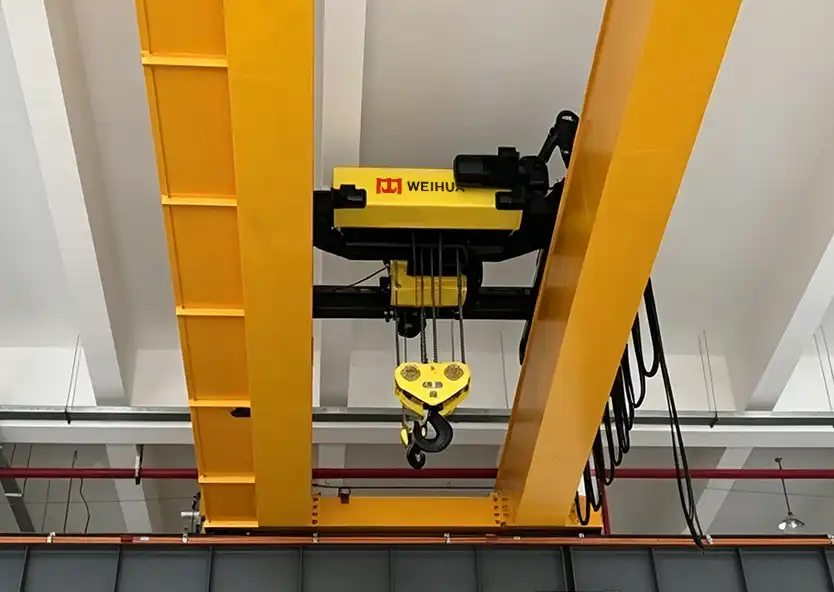
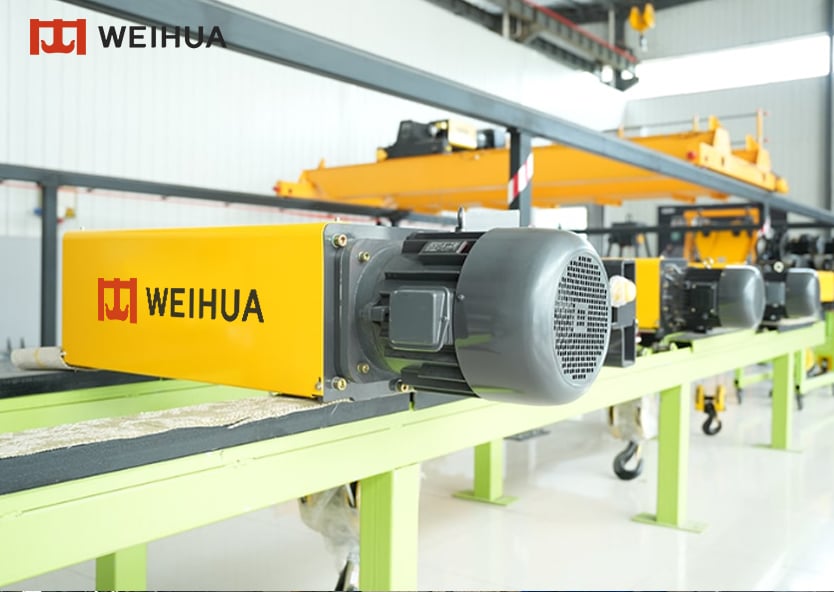
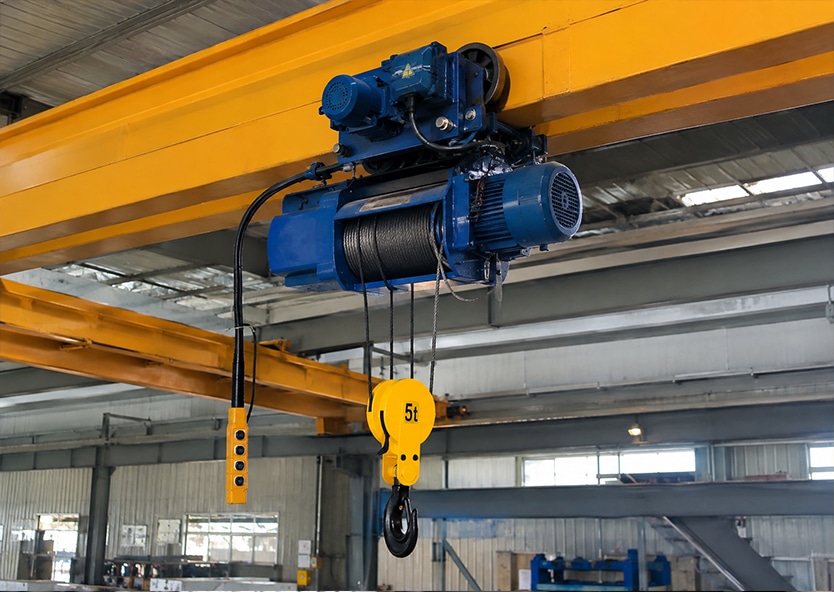
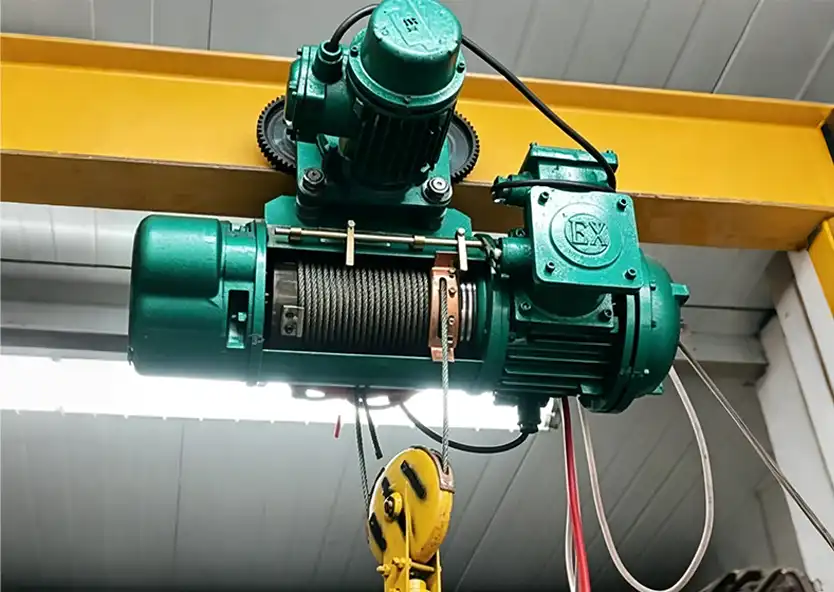
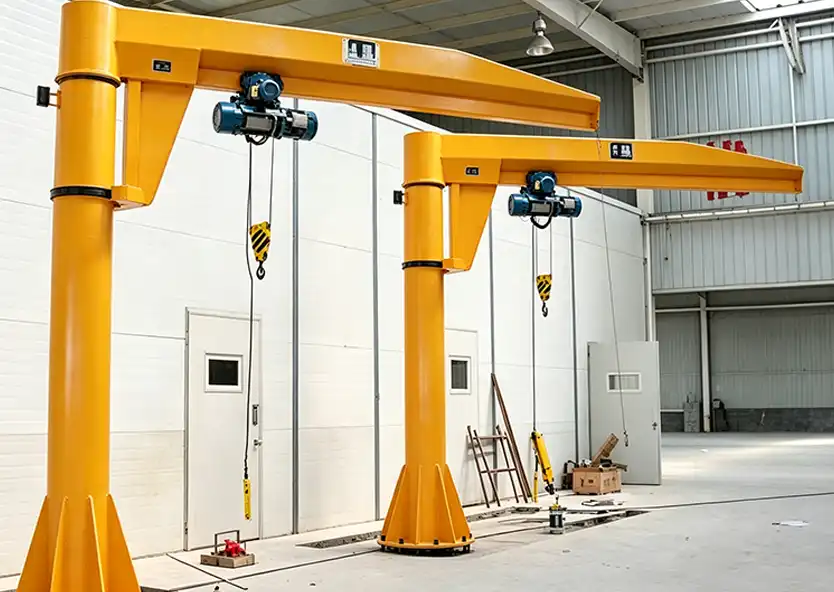
When choosing a gantry crane, merely considering the maximum lifting capacity is not sufficient. Buyers also need to comprehensively consider factors such as the type of crane required in the usage scenario, span, lifting height, working conditions, on-site conditions, and the total project cost. A comprehensive consideration, we have professional technicians to recommend for you.
Weihua is a company specializing in the production and research and development of various customized and non-customized cranes. With over 30 years of experience and exports to 170 countries around the world, the quality and after-sales service are strictly controlled.
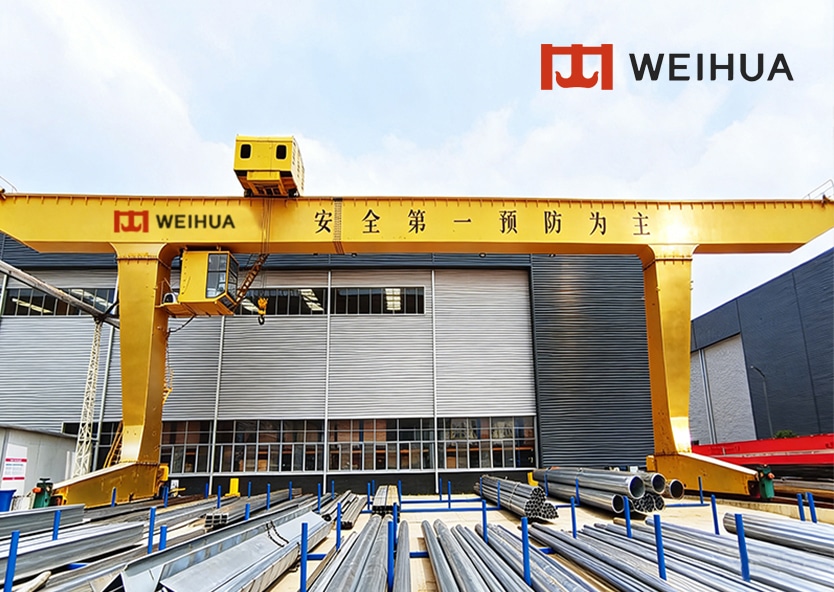
What Is a Gantry Crane?
A gantry crane is a type of crane that is supported by legs and operates on ground rails or other supporting surfaces. The biggest difference from an overhead crane is that this type of crane does not rely on the building structure or the width of the factory building and has fewer restrictions. Therefore, gantry cranes can be used in workshops, warehouses, construction sites, or other places where independent lifting operations are required.
Main Types of Gantry Cranes
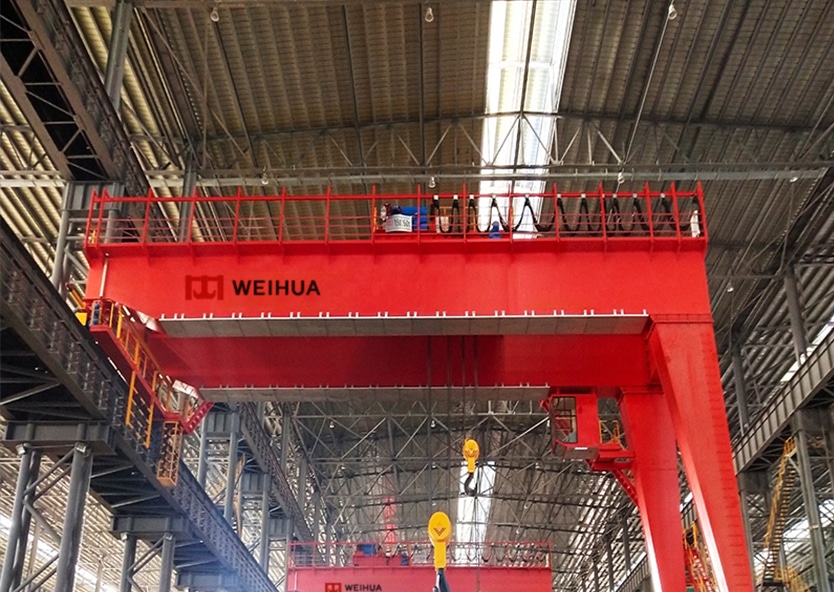
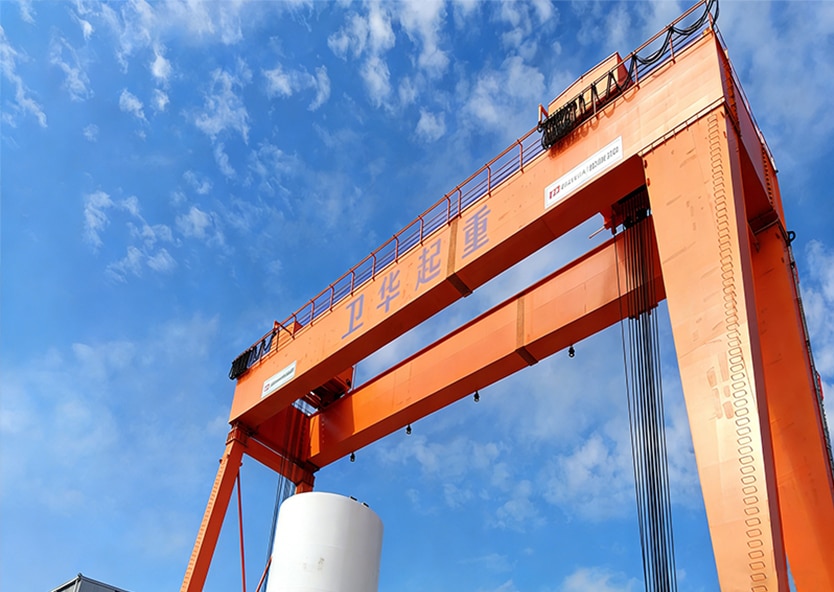
Gantry cranes come in different configurations to suit different working conditions. Common options include single-girder cranes, double-girder cranes, semi-gantry cranes, portable, mobile, and specialized gantry cranes.
For example, single-girder models are often suitable for lighter lifting requirements, while double-girder designs can support higher capacities and more demanding duties.
Key Specifications to Check
Before choosing to purchase a gantry crane, customers should fully understand the basic operational requirements for this product. The most important aspects include the required load capacity, span, lifting height, and the running distance of the gantry crane, as well as the lifting speed, running speed, working grade, whether additional explosion-proof treatment is needed, power supply, and control methods.
How to Choose the Right Lifting Capacity
The rated capacity should match the heaviest load that the crane will routinely handle. However, buyers should not select a capacity based only on occasional maximum loads.
Instead, consider the actual load range, lifting frequency, load characteristics, and future production requirements. A suitable capacity provides enough working margin without unnecessarily increasing the overall equipment cost.
Working Class Matters
Working class reflects how frequently and intensively the crane will operate. A crane used for occasional maintenance does not necessarily require the same configuration as one serving a busy production line.
Therefore, buyers should provide information about daily working hours, lifting frequency, average load, and operating cycles. These details help the manufacturer select an appropriate duty class.
Why Choose Weihua Gantry Cranes?
Henan Weihua Crane Company has been engaged in the production and design of cranes since 1988. The company can offer customized services based on factors such as weight, span, lifting height, usage requirements, or other aspects like working environment requirements, control methods, and additional handling. These services include design drawings, production and installation, as well as after-sales service, ensuring that the product quality is flawless throughout the entire process. The company also provides on-site installation guidance, technical consultation, remote video guidance, spare parts supply, and after-sales service.
Frequently Asked Questions
1. What is the difference between a gantry crane and an overhead crane?
A gantry crane has its own supporting legs and normally travels on ground rails. An overhead crane usually runs on a runway structure installed within or attached to a building.
2. Can a gantry crane be used outdoors?
Yes. Gantry cranes can be configured for outdoor applications. Depending on the site, buyers may consider wind protection devices, rail clamps, rain covers, and anti-corrosion treatment.
3. Should I choose a single-girder or double-girder gantry crane?
Single-girder cranes can suit lighter requirements, while double-girder cranes are generally considered for heavier or more demanding applications.
4. How much does a gantry crane cost?
There is no single standard price. The final cost depends on the complete configuration, including capacity, span, lifting height, duty class, hoist, electrical system, control method and other requirements.
5. Can gantry cranes be customized?
Yes. Gantry cranes can be configured according to project requirements. Parameters such as capacity, span, lifting height, speed, power supply, control method, and special working conditions can be considered during design.
6. What information should I provide when requesting a quotation?
At minimum, provide lifting capacity, span, lifting height, working environment, working frequency, power supply, control method, and application. A site drawing or photo is also useful when available.