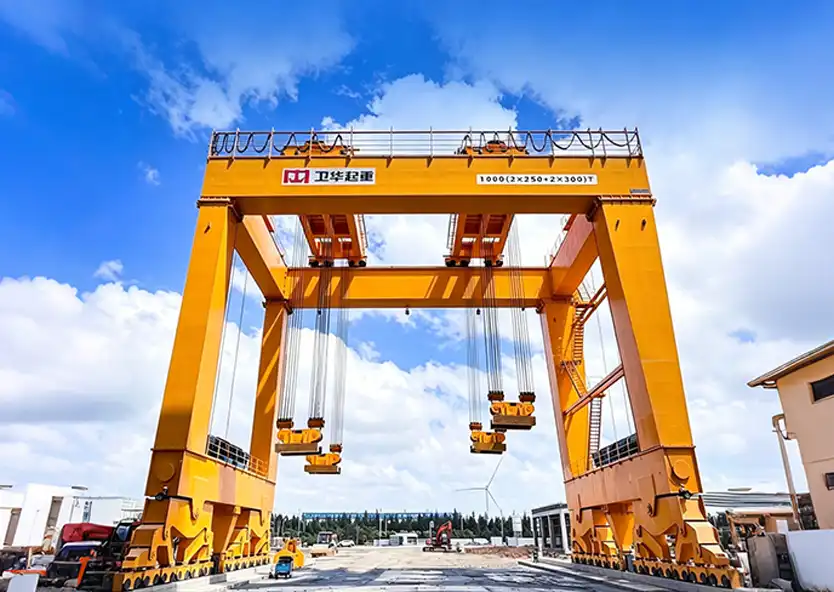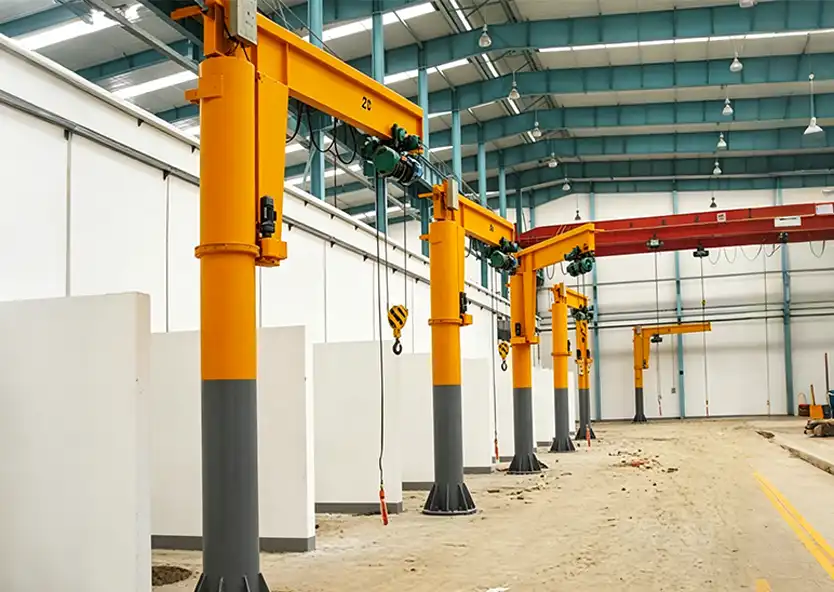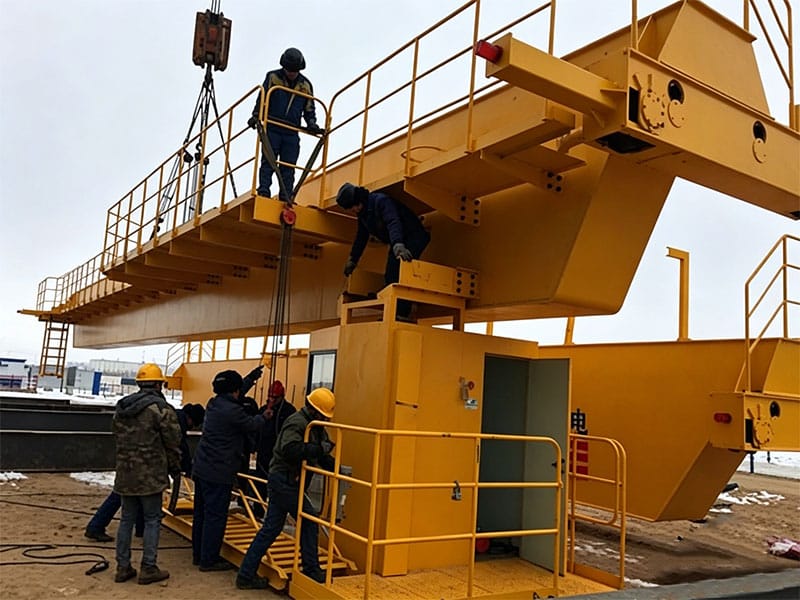
As manufacturing facilities continue moving toward automation and digital production management, intelligent crane systems are becoming increasingly important in modern industrial operations.
Traditional lifting equipment still plays a major role in factories, warehouses, and heavy industry. However, many companies now expect more than basic lifting performance. Production managers are paying closer attention to operational efficiency, positioning accuracy, equipment monitoring, and long-term maintenance control.
To meet these changing demands, Weihua Group continues to develop intelligent crane technologies designed for modern industrial environments.
Smarter Control Improves Daily Operation
In conventional lifting systems, operators often rely heavily on manual experience during handling tasks.
Although traditional cranes can complete basic lifting operations, repetitive handling work may still create problems such as load swing, positioning delays, and inconsistent operating speed.
Intelligent crane systems help reduce these issues through automated control technologies.
For example, anti-sway systems can automatically adjust crane movement during lifting and traveling. As a result, operators can position loads more accurately while reducing unnecessary movement during operation.
At the same time, variable frequency drive systems allow smoother acceleration and deceleration, which helps protect both equipment components and handled materials.
In busy production environments, even small improvements in lifting stability can significantly improve workflow efficiency over time.
Better Monitoring Helps Reduce Downtime
Unexpected downtime remains one of the biggest concerns in industrial production.
When lifting equipment suddenly stops operating, production schedules can quickly become disrupted. In some industries, even short interruptions may affect delivery timelines and operating costs.
Because of this, more factories now prefer crane systems equipped with intelligent monitoring functions.
Modern control systems can monitor motor temperature, operating status, running speed, and equipment load conditions in real time.
If abnormal operating conditions appear, the system can provide early warnings before serious failures occur.
This approach helps maintenance teams identify potential issues earlier and reduce unnecessary shutdown risk.
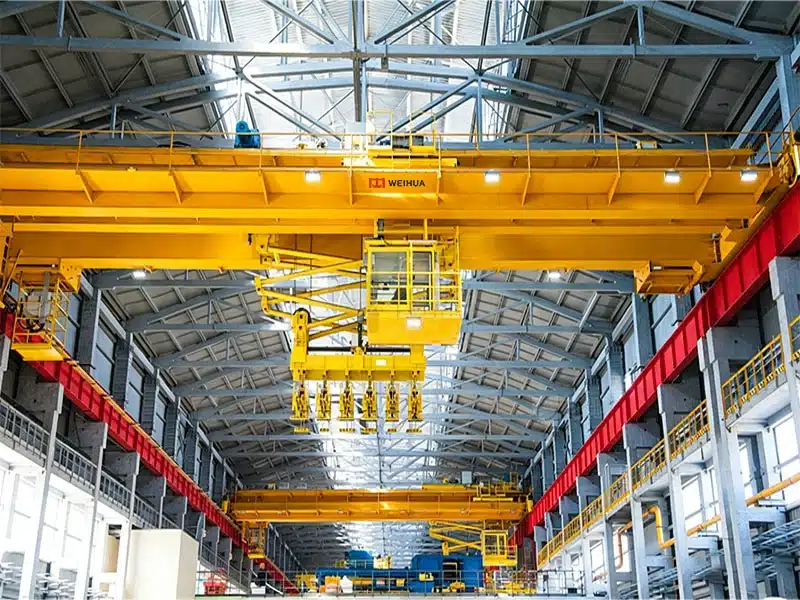
Intelligent Systems Support Safer Operation
Safety continues to be one of the most important factors in industrial lifting operations.
In heavy manufacturing environments, crane systems often handle large equipment, steel materials, molds, and precision components. Therefore, stable operation and accurate positioning directly affect workplace safety.
Intelligent crane systems help improve operational safety through technologies such as:
- overload protection
- anti-collision systems
- automatic limit control
- load monitoring
- emergency fault alarms
- remote operation systems
In addition, some automated crane systems can reduce the need for operators to enter high-risk working areas during material handling tasks.
As industrial safety standards continue rising worldwide, intelligent lifting technology is becoming more valuable across different industries.
Increasing Demand Across Multiple Industries
Today, intelligent crane systems are widely used in steel plants, logistics centers, automotive manufacturing, hydropower projects, shipyards, precision workshops, and automated warehouses.
Different industries focus on different operational goals.
For example:
- Logistics facilities usually focus on handling speed and workflow efficiency
- steel plants prioritize heavy-duty reliability and continuous operation
- Precision manufacturing workshops require accurate positioning and stable motion control
Because operating environments vary greatly, many customers now choose customized intelligent crane solutions instead of standard equipment configurations.
Supporting the Future of Industrial Lifting
As industrial automation continues to develop, intelligent lifting systems will likely become standard equipment in many production environments.
Digital monitoring, automated control, and predictive maintenance technologies are already changing how factories manage lifting operations.
Weihua continues investing in intelligent crane development to help industrial customers improve efficiency, reduce maintenance pressure, and support safer long-term operation.
The company provides customized lifting solutions for manufacturing facilities, logistics centers, energy projects, ports, and industrial production lines worldwide.
Frequently Asked Questions
What is an intelligent crane system?
An intelligent crane system uses advanced control technologies such as anti-sway systems, automated monitoring, variable frequency drives, and digital control functions to improve lifting performance and operational efficiency.
How do intelligent cranes improve efficiency?
Intelligent cranes reduce load swing, improve positioning accuracy, shorten handling time, and help operators complete lifting tasks more smoothly during daily operation.
What industries use intelligent crane systems?
Industries including steel manufacturing, logistics, automotive production, energy, shipbuilding, warehousing, and precision manufacturing commonly use intelligent crane systems.
Can intelligent cranes reduce maintenance costs?
Yes. Intelligent monitoring systems can detect abnormal operating conditions early, which helps reduce unexpected downtime and unnecessary repair costs.
Does Weihua provide customized intelligent crane solutions?
Yes. Weihua provides customized intelligent crane systems based on industry requirements, workshop conditions, lifting capacity, and operational demands.