What Is a KBK Crane System?
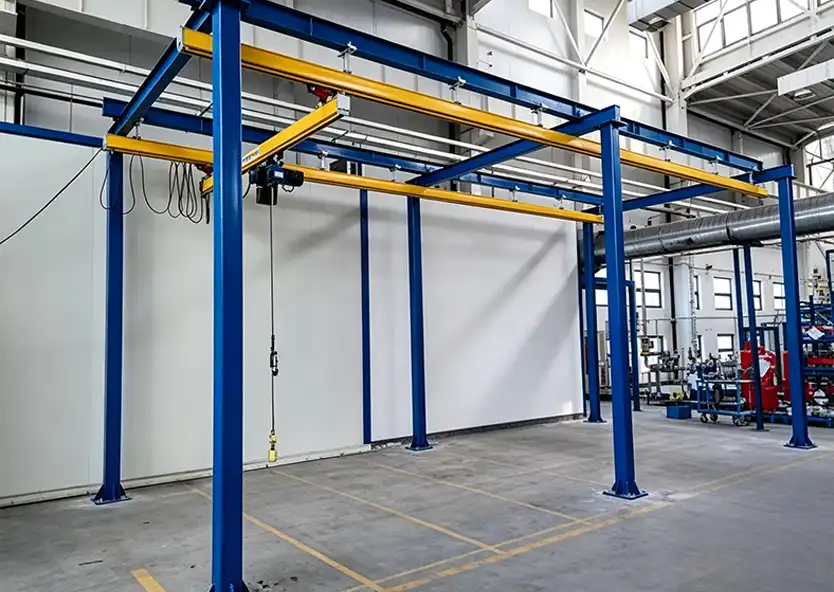
The KBK crane system is a modular lifting system specifically designed for material handling in workshops, production areas, warehouses, and other industrial facilities. Manufacturers can assemble and configure the KBK system according to the customer’s actual production process, thanks to its standardized modular design.
Based on different customer needs, we can configure our KBK products as monorail, single-girder, or double-girder systems. Depending on the load and operation requirements, we can also equip them with manual or electric travel modes. This configuration offers more flexibility than installing large fixed crane systems for enterprises that need to frequently move materials between workstations.
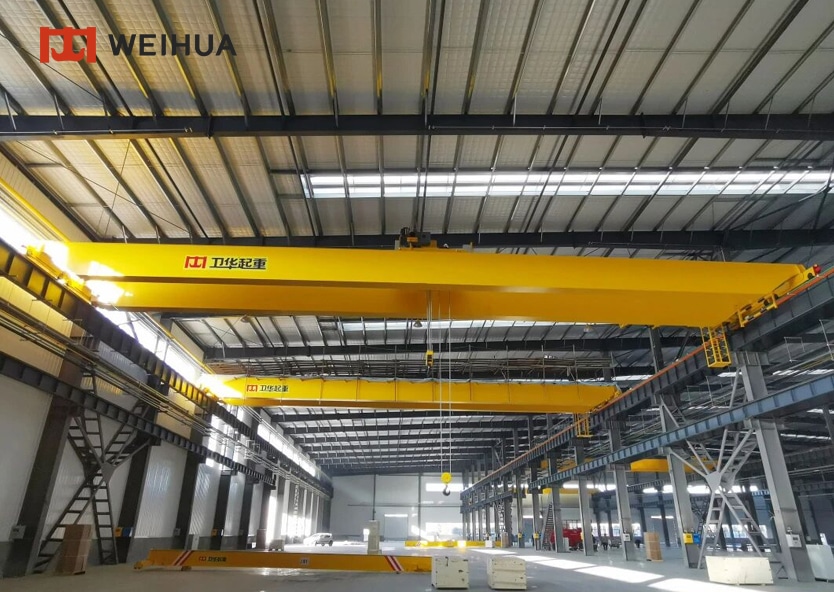
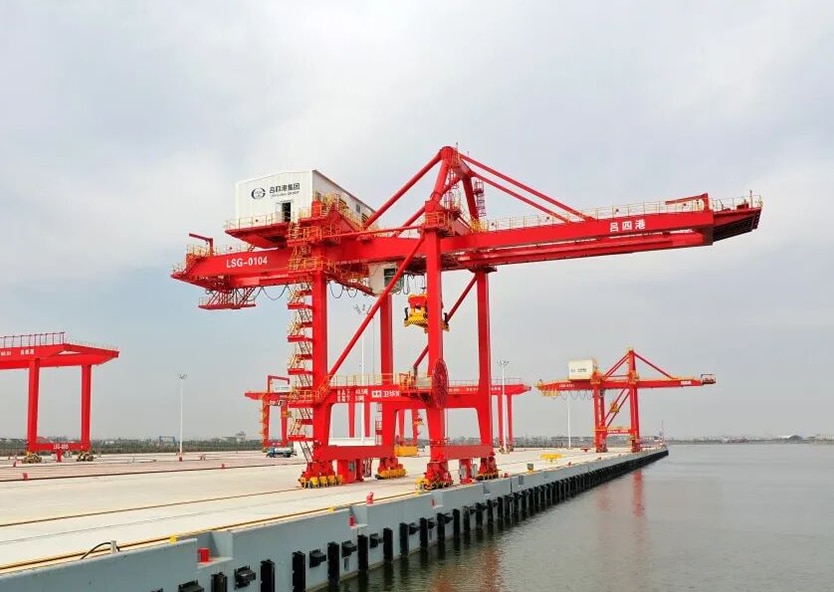
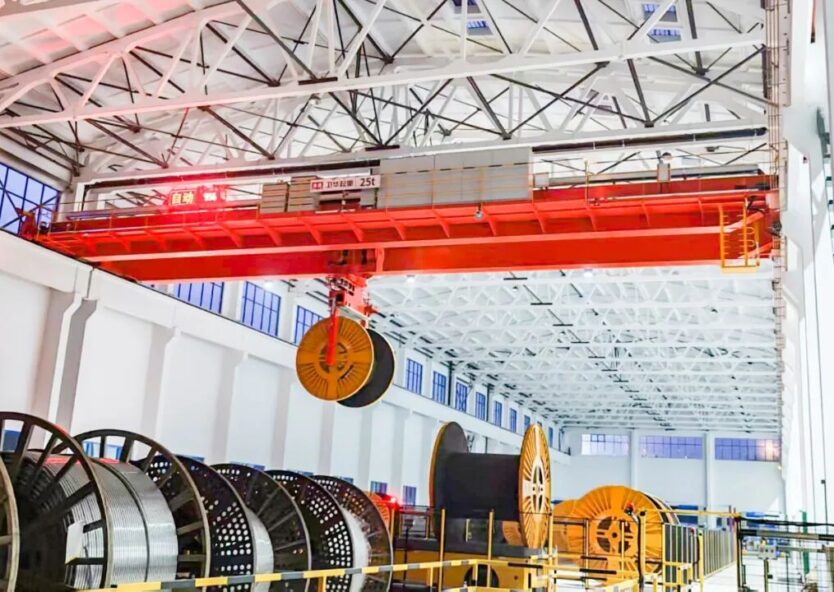
Weihua Crane Company provides KBK crane systems for industrial material handling. We configure our KBK solutions based on the required lifting capacity, track length, workshop layout, lifting height, and operating requirements. We configure our KBK solutions based on the required lifting capacity, track length, workshop layout, lifting height, and operating requirements.We also manufacture overhead cranes, gantry cranes, electric hoists, jib cranes, port cranes, and other material handling equipment.
The Working Principle of the KBK Crane System
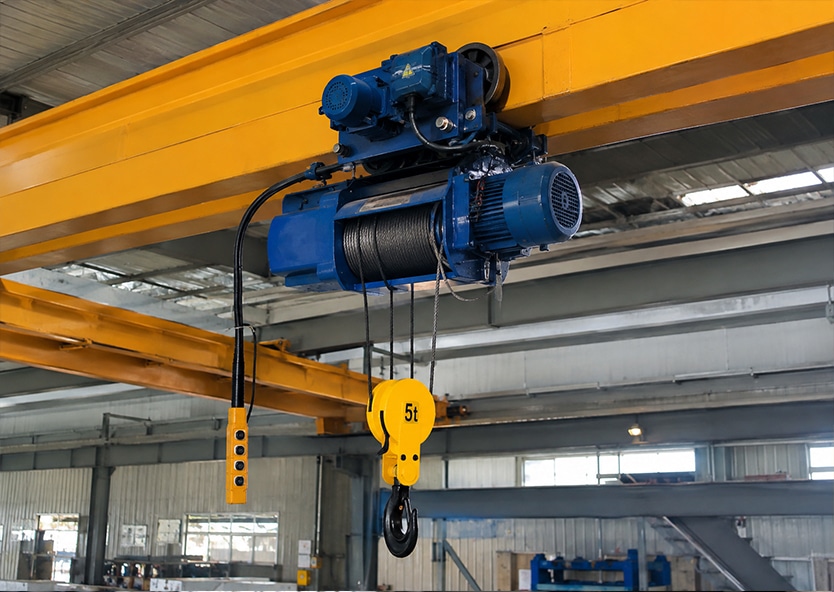
Unlike traditional large fixed cranes, the KBK system adopts a standardized modular design. The entire system integrates vertical lifting, horizontal movement, and track support: the electric hoist handles precise lifting and lowering of loads, the traveling trolley enables flexible movement of materials along the X and Y axes, and the modular track system provides stable guidance and load-bearing support.
Its suspension system uses flexible connections, which can adapt to complex workshop environments and even bypass obstacles such as columns and door frames. When companies adjust or expand their production lines, they can easily reconfigure the KBK system without making major modifications to the factory structure. This flexibility also gives businesses more room for future expansion.
Today, many industries, including automotive manufacturing, mechanical processing, and warehousing logistics, use KBK cranes for frequent and repetitive material handling between workstations. As industrial production demands greater flexibility and intelligence, the KBK modular lifting system, with its flexible and efficient features, is helping more companies optimize and upgrade their production processes.
What Are the Features of the KBK Crane System?
1. Modular Assembly
The KBK system uses all standardized components. You can easily modify or reconfigure the system to match your actual operating conditions and requirements, whether your production process is complex or likely to change in the future.
2. Easy Installation and Expansion
Manufacturers can flexibly assemble and adjust the KBK system’s modular components to suit the actual installation environment. As your production processes expand and material flow changes, you can add track sections or adjust the existing layout without purchasing new equipment—a highly practical feature that saves both time and cost.
3. Ideal for Workstation Material Handling
Instead of using a large crane to cover the entire workshop, companies can use a KBK system to serve specific workstations or production processes. Therefore, when flexibility and controlled material handling are more important than extremely high lifting capacity, the KBK system is the preferred choice.
What Are the Advantages of the KBK Crane System?
The main advantages of the KBK crane system lie not only in its lifting capacity but also in its ability to seamlessly integrate into existing production processes.
More Efficient Utilization of Available Workspace
The KBK system operates overhead, reducing unnecessary ground transportation and bringing lifting operations closer to the work area. Operators can move loads along designated tracks without relying entirely on manual handling or ground equipment, thereby accelerating production efficiency.
Reduced Manual Handling
For suitable loads, the KBK system can effectively reduce the physical handling demands in the production process. This is particularly useful in assembly operations, processing areas, and other workstations where operators repeatedly lift and reposition components.
Suitable for Various Industrial Environments
Companies typically use KBK systems for lifting applications in workshops, production lines, warehouses, manufacturing areas, and workstations. Weihua positions the KBK system as a flexible material handling solution for production and industrial environments.
Various Application Scenarios of the KBK Crane System
Manufacturing Workshops
The KBK system can provide a dedicated lifting path between workstations, making it especially suitable for production processes that require operators to repeat the same lifting task throughout the production cycle.
Assembly Lines
A well-designed KBK system can follow the production workflow and provide lifting support at multiple workstations along the line.
Machinery Production
The KBK system can provide localized lifting capacity for individual work areas without the need for a full set of large cranes, thereby improving overall efficiency.
Warehouses
In warehouse applications, the KBK system can handle relatively lightweight goods within a designated working area. Companies should determine the final choice based on the required lifting capacity, storage layout, travel distance, and operating frequency.
Workstations
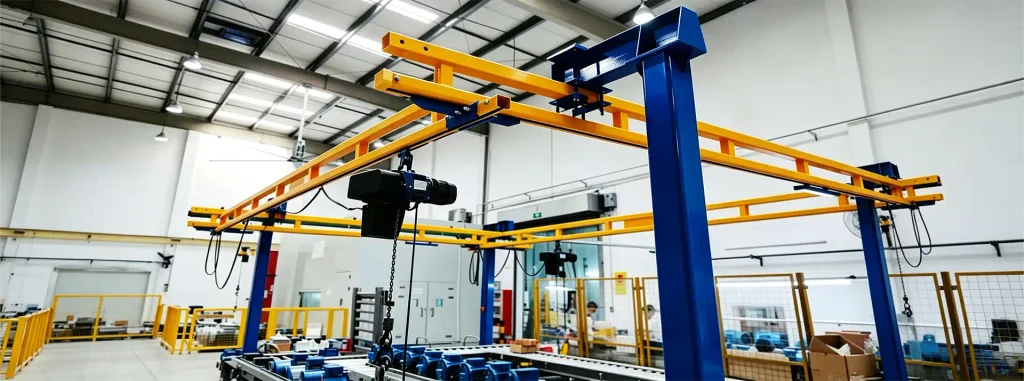
The KBK system is particularly suitable for single workstations where repetitive handling is required in daily operations. For example, a workstation may need to lift components from a storage location, move them horizontally, and place them onto an assembly table.
Weihua Cranes and the KBK Crane System
Henan Weihua Heavy Machinery Co., Ltd. specializes in manufacturing industrial lifting equipment and has been in the industry since 1988. Its product range includes bridge cranes, gantry cranes, electric hoists, jib cranes, KBK cranes, port cranes, and many other types of lifting solutions.
For KBK applications, the company offers various structural configurations, including monorail, single-girder, and double-girder systems, with the option of manual or electric travel modes.
We always base our solutions on actual lifting requirements, available workspace, and operational procedures. Each solution is tailored to the specific needs of the customer’s application scenario.
Frequently Asked Questions
1. What is the KBK crane system?
The KBK crane system is a modular lightweight lifting system composed of standardized tracks and support components, specifically designed for flexible material handling in workshops, production lines, warehouses, and workstations.
2. What is the difference between the KBK crane and a bridge crane?
The KBK crane is typically used for flexible, localized material handling, while a traditional bridge crane is designed to cover a wider area of the workshop.
3. How much load can the KBK crane handle?
The lifting capacity can be customized according to your specific project requirements.
4. Can the KBK crane system be expanded later?
Yes, absolutely. This is one of the key advantages of the KBK system. However, any expansion should be reviewed by qualified engineers to ensure that the entire system and its supporting structure can safely accommodate these changes.
5. Can the KBK crane use electric hoists?
Yes. When the application requires electric lifting, an electric hoist can be integrated into the KBK system. The hoist should be selected based on the required lifting capacity, lifting height, duty cycle, power supply, and operating environment.
6. What information do I need to provide when requesting a quotation for the KBK crane?
You should provide the following: load capacity, lifting height, track length, workshop dimensions, application scenario, operation frequency, and preferred control method. Additionally, workshop layout drawings are very helpful, as they allow our engineers to design a more suitable track layout.