A crane does not usually develop a serious problem all at once. More often, something changes first.
Maybe the hook looks a little different. A wheel starts to wear on one side. The crane makes a sound that was not there before. A wire rope does not seem to run through a pulley as smoothly as it used to.
These things can be easy to overlook, especially when the crane is still doing its job. However, they are exactly the kind of changes worth noticing during routine inspection.
Hooks, wheels, and pulleys are among the parts that deserve regular attention. They are not the only ones, of course. The wire rope, brakes, bearings, limit switches, and electrical equipment also have a place in a proper inspection plan.
The right inspection routine depends on the crane itself, how often it works, and the conditions in which it operates.
Start With the Parts That Do the Heavy Work
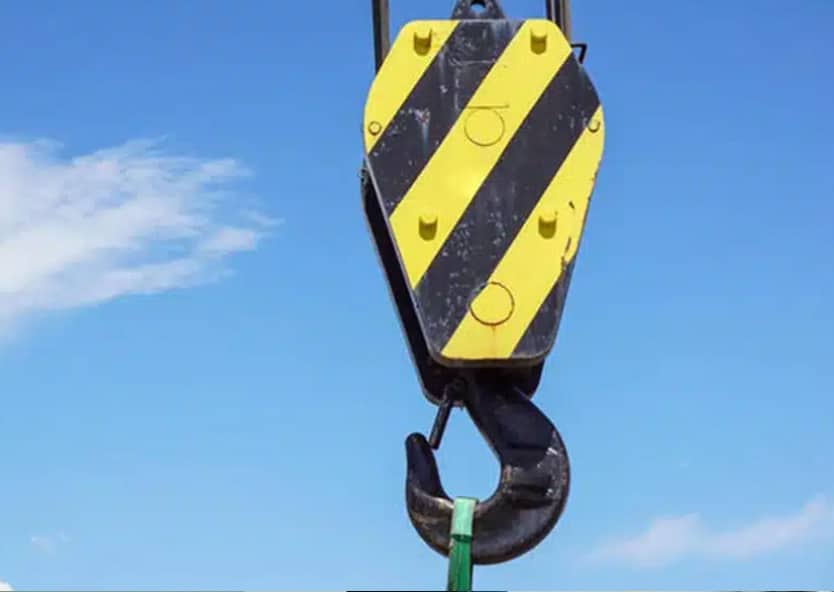
The hook is probably the easiest crane component to understand. It holds the load, and every lifting cycle puts stress on it.
When checking a hook, look at its overall shape first. Is there any visible crack or damage? Does the hook appear bent or unusually worn? Has the opening changed compared with its normal condition?
A hook does not have to be completely broken to become a maintenance concern. A noticeable change in shape or excessive wear is already a reason to stop and investigate.
The latch deserves a look as well. It is a small component, but it has a clear job: helping retain the load connection at the hook. If it is damaged or does not work properly, it should not simply be ignored because the hook itself looks fine.
There is no sensible reason to guess whether a badly worn hook is still usable. The manufacturer’s requirements and the applicable inspection rules should be used to make that decision.
Crane Wheels Tell You More Than You Might Expect
Crane wheels are hidden underneath the equipment, so they do not get as much attention as hooks and hoists.
That can be a mistake.
The wheel tread and flange are exposed to repeated contact with the rail or runway. Over time, wear can become visible. Cracks or other damage may also appear. If the crane no longer travels as smoothly as before, the wheels are one of the areas worth checking.
But there is another point here.
A worn wheel is not always the beginning of the problem. The rail, alignment, traveling mechanism, or operating conditions may also be involved. If a replacement wheel develops the same kind of abnormal wear later, replacing the wheel again is unlikely to address the real cause.
For maintenance workers, unusual noise and vibration can be useful clues. They do not identify the fault by themselves, but they can tell you that the traveling system needs a closer look.
In other words, inspect the wheel, but do not stop there.
Take a Close Look at Pulleys and Wire Rope
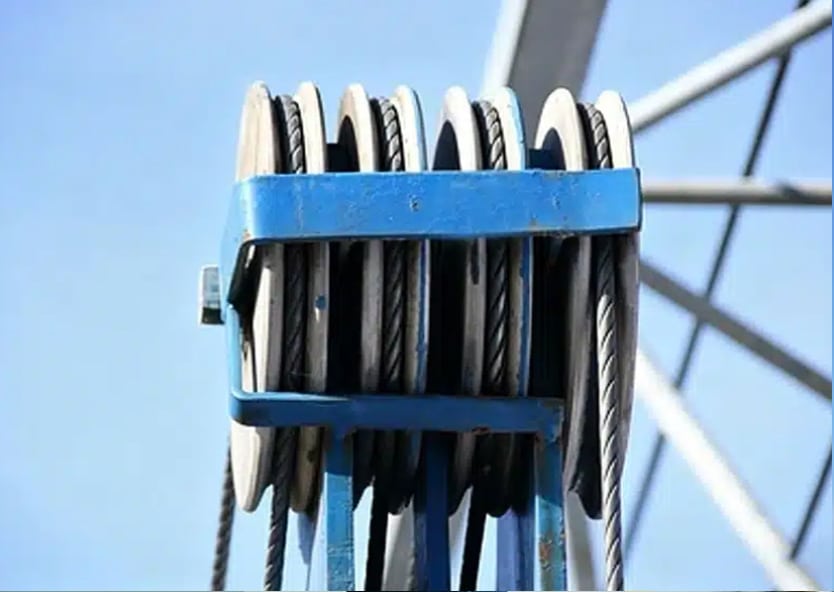
Pulleys, also known as sheaves, have a fairly simple role in a crane. They guide the wire rope as the hoisting system moves.
The groove is therefore one of the first places to check. It should not show obvious cracks, serious wear, or damage that could interfere with the rope.
The wire rope should be looked at at the same time.
This is one of those inspections where two components are better considered together. A rope that is not running properly may point to a problem with the pulley. At the same time, a damaged or badly worn rope can affect the condition of the pulley groove.
Bearings and lubrication also come into the picture. A pulley that does not rotate properly should be investigated rather than left until the next scheduled maintenance visit.
Exactly how the pulley is maintained depends on the crane design. Following the manufacturer’s instructions is especially important here because different hoisting arrangements use different components and maintenance methods.
There Are More Parts Worth Checking
It is easy to make a crane inspection sound as though it is mainly about hooks, wheels, and pulleys. It is not.
The wire rope itself needs attention. Look for visible damage, broken wires, deformation, and other signs of deterioration. The rope arrangement should also match the crane’s intended reeving system.
Then consider the brake.
A crane may be able to lift and lower a load while still having a brake problem that needs attention. Unusual behavior during starting, stopping, lifting, or lowering should be reported rather than treated as part of normal operation.
Bearings, gears, shafts, pins, and other moving parts also need inspection according to the crane’s maintenance requirements.
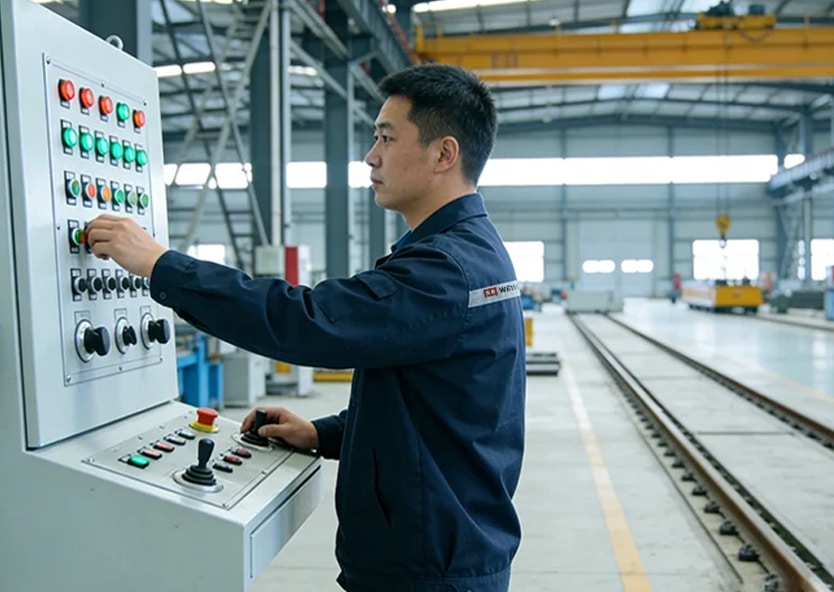
Electrical components are easy to leave until there is an obvious failure. Controls, pendant stations, limit switches, and related equipment should also be checked for damage or abnormal operation.
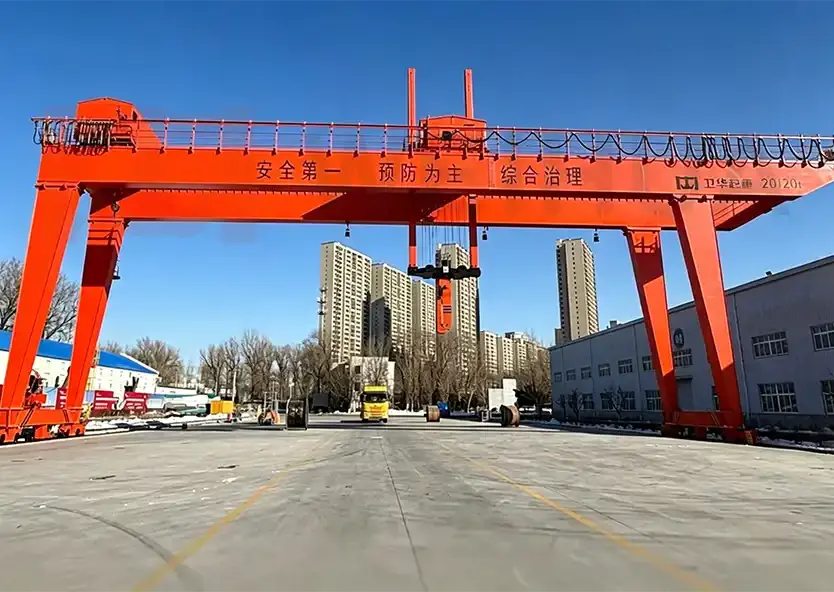
Not every crane contains exactly the same components. A double-girder overhead crane has a different arrangement from a gantry crane, and an electric hoist has its own set of working parts. That is why a maintenance checklist copied from another machine may not be enough.
How Often Should These Parts Be Inspected?
This is where a lot of crane maintenance advice becomes too simple.
There is no single inspection interval that makes sense for every crane.
A crane used throughout the day in a manufacturing plant is not working under the same conditions as equipment that lifts a load only occasionally. Dust, moisture, temperature, load conditions, operating hours, and the general environment can all make a difference.
Instead of asking only, “How often should we inspect it?”, it is more useful to ask what the crane is doing and what the manufacturer requires.
Routine checks can form part of normal operation. Operators may notice a strange sound, uneven travel, a change in the hook, or another visible condition before a more detailed inspection takes place.
More thorough inspections should be carried out according to the equipment requirements and applicable regulations. Where a defect could affect safe operation, the crane should be assessed before it goes back to work.
Keeping a record is worthwhile too. A single note about unusual wheel wear may not seem important. Several similar notes over time can tell a different story.
That history helps maintenance teams decide whether they are dealing with normal wear or a problem that keeps coming back.
What a Good Crane Inspection Really Looks Like
A useful inspection is not about finding something wrong for the sake of completing a checklist.
It is about knowing what the equipment normally looks and sounds like, then noticing when something changes.
That can start with a hook that has developed unusual wear. It can be a wheel that no longer runs as it did a few months ago. It can be a pulley groove that has become noticeably worn, or a wire rope showing signs that it needs attention.
Small observations matter because crane components work as a system. A problem in one place can sometimes leave a sign somewhere else.
For crane owners, regular inspection also makes maintenance easier to plan. Instead of waiting until a component causes an obvious operating problem, the maintenance team can work from inspection records and the actual condition of the equipment.
Weihua Crane supplies overhead cranes, gantry cranes, electric hoists, and related lifting equipment for industrial applications. Inspection and maintenance requirements should always be matched to the specific crane, its working conditions, the manufacturer’s instructions, and applicable local requirements.
Frequently Asked Questions
1. Which crane parts should be checked regularly?
The inspection should normally cover load-bearing and moving components such as hooks, wire ropes, wheels, pulleys, brakes, bearings, gears, shafts, and relevant control and electrical components.
2. What should I look for on a crane hook?
Check the hook for visible cracks, deformation, unusual wear, or other damage. The safety latch should also move and function properly. Any significant change in the hook should be investigated.
3. How can I tell if a crane wheel needs attention?
Look for unusual wear, cracks, damage to the tread or flange, and changes in the way the crane travels. New noise or vibration can also be a reason to inspect the traveling system.
4. Why are pulleys checked together with wire rope?
The two parts work together during lifting. A damaged pulley groove can affect the rope, while an abnormal rope condition may also indicate a problem with the pulley or its alignment.
5. How often should crane components be inspected?
The frequency depends on the crane type, how it is used, the working environment, manufacturer instructions, and applicable regulations. A suitable inspection program should be based on the actual equipment rather than one fixed interval for every crane.