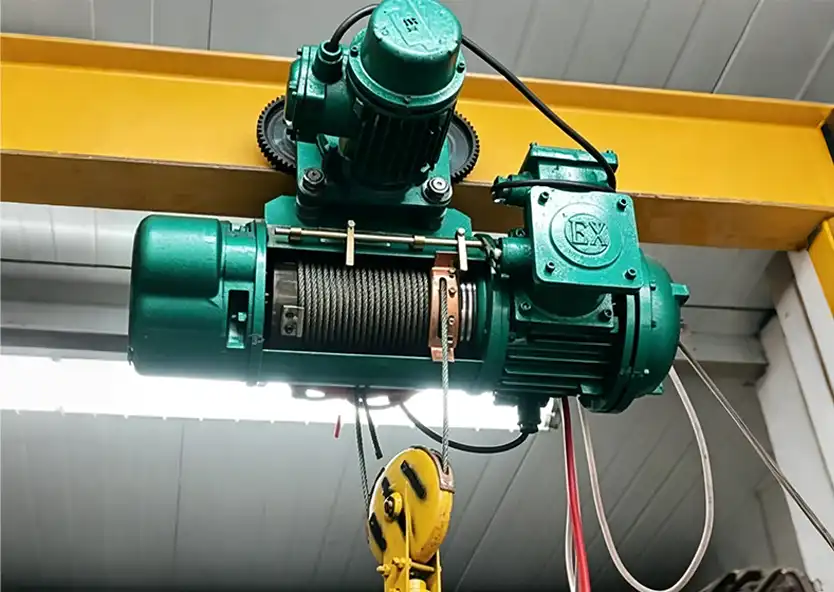
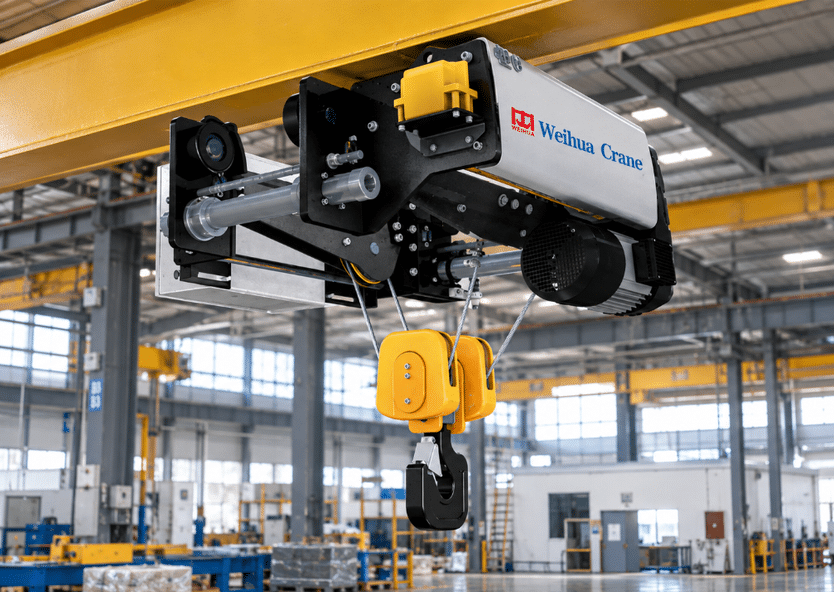
Choosing an electric hoist is not simply a matter of picking a model with a larger lifting capacity. The hoist needs to match the load, lifting height, available installation space, working frequency, and the way the equipment will be used. A suitable choice can also make installation and future maintenance easier.
For this reason, it is better to start with the actual lifting requirements rather than the product catalogue. Here are the main points to check before selecting an electric hoist.
Start With the Maximum Load
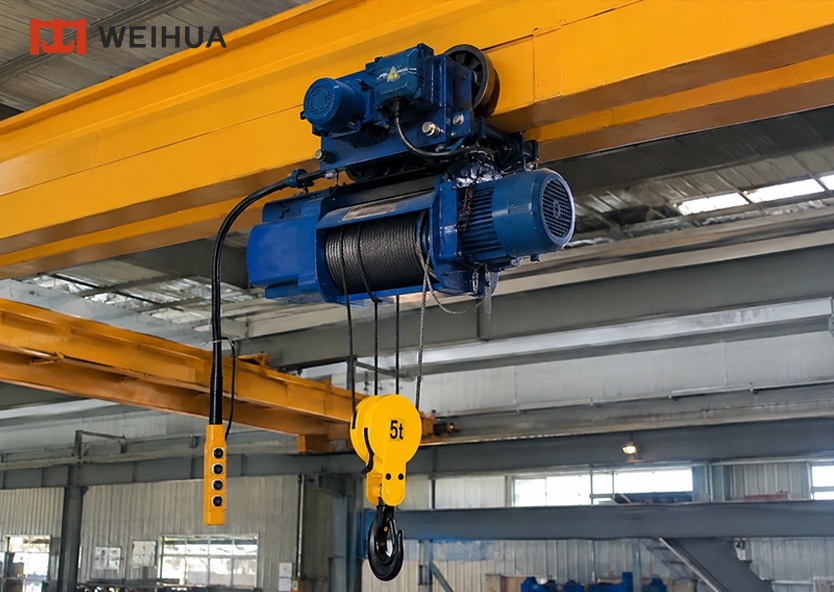
Lifting capacity is usually the first specification to confirm. The key figure is the heaviest load that the hoist will need to lift during normal operation.
For example, if a workshop regularly handles machinery parts, steel components, or production equipment, the maximum load should be clearly identified before selecting the hoist. Do not base the selection only on the average weight of the materials.
The weight of lifting accessories should also be considered. Slings, hooks, lifting fixtures, grabs, or other attachments can add to the total lifted load. Therefore, the hoist capacity should be determined from the complete lifting arrangement rather than the material alone.
Check the Required Lifting Height
Lifting height is just as important as capacity. It refers to the vertical distance the hook needs to travel during operation.
A workshop may have a high roof, but that does not necessarily mean the hoist needs a very long lifting height. The actual requirement depends on where the load is picked up and where it needs to be placed.
Consider the lowest pickup point, the highest unloading position, and the clearance needed around nearby equipment. This gives a more practical starting point for selecting the lifting height.
Weihua’s electric hoist range includes lifting heights from 3 m to 30 m, depending on the hoist type and configuration. Wire rope electric hoists, for example, have different standard ranges according to their lifting capacity.
Do Not Overlook Available Headroom
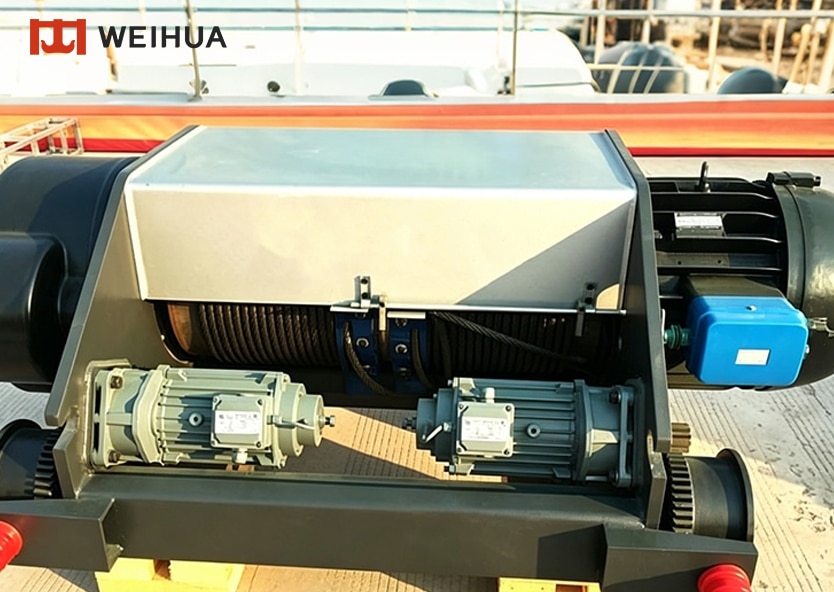
The required lifting height is not the only vertical dimension that matters. Headroom can become a problem when the crane or hoist is installed inside an existing workshop.
The distance between the roof, runway, trolley, hoist, and load needs to be checked carefully. A hoist that works well on paper may not be suitable if its overall dimensions reduce the available hook height too much.
Where space is limited, a low-headroom hoist or a compact hoist configuration may be worth considering. The final choice should depend on the building structure and the required lifting position.
Consider How Often the Hoist Will Work
A hoist used several times every day does not necessarily have the same requirements as one used occasionally for maintenance.
Working frequency, load conditions, lifting cycles, and the duration of operation all affect the required duty class. For example, Weihua’s product information lists electric hoists with working classes from M3 to M6, depending on the configuration.
Therefore, tell the manufacturer how often the hoist will operate instead of providing only the capacity and lifting height. This information helps determine whether the selected configuration fits the actual workload.
Choose the Right Hoist Type
Capacity and height can also influence the choice between different electric hoist types.
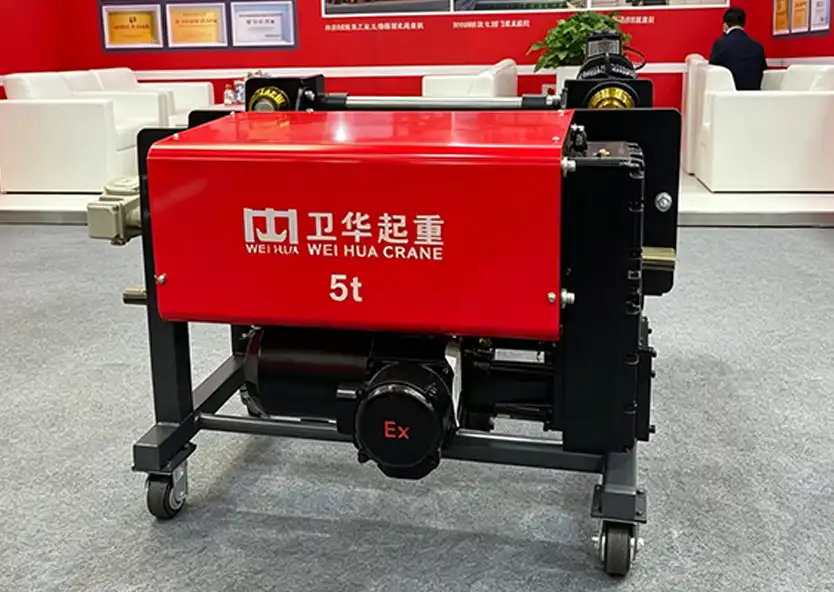
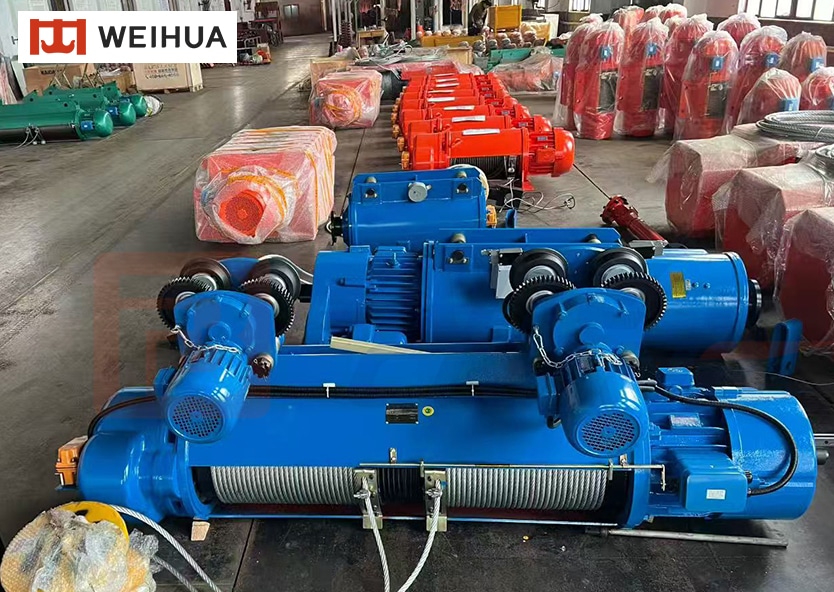
Wire rope electric hoists are commonly used when higher lifting capacities or longer lifting heights are required. Electric chain hoists have a more compact structure and are often used for lighter lifting applications. The actual selection still depends on the working conditions and installation method.
The hoist may also need to be installed on an overhead crane, gantry crane, monorail, or another supporting structure. Make sure the hoist and supporting equipment are designed to work together.
Check the Working Environment
The working environment should be considered before the final specification is confirmed.
Indoor workshops, warehouses, outdoor yards, dusty areas, and humid environments can have different equipment requirements. Power supply and control methods also need to be checked. Weihua offers options such as pendant control, wireless remote control, and different power supply configurations depending on the product.
If the hoist will operate in a special environment, provide the relevant site information to the manufacturer before production.
Prepare the Right Information Before Asking for a Quote
A clear inquiry can make the selection process much easier. At minimum, provide the required lifting capacity, lifting height, application, working frequency, installation type, and working environment.
If possible, also provide workshop drawings, photos of the installation area, power supply information, and the required lifting and travelling speeds. These details give the engineering team a better understanding of the actual application.
In the end, the right electric hoist is not necessarily the largest or most powerful model. It is the one that matches the load, height, working conditions, available space, and supporting crane system. Starting with these practical requirements can make the selection more straightforward and reduce unnecessary changes later.
Frequently Asked Questions
1. How do I determine the required lifting capacity?
Start with the heaviest load that the hoist will regularly lift. Include the weight of lifting accessories and fixtures when determining the total lifted load.
2. How do I determine the required lifting height?
Check the lowest pickup position and the highest required unloading position. The available headroom and clearance around the load should also be included in the calculation.
3. Is a wire rope hoist better for higher lifting heights?
Wire rope electric hoists are commonly used for higher capacities and longer lifting heights. However, the final choice should also consider working frequency, installation conditions, and the crane structure.
4. What information should I provide when selecting an electric hoist?
Provide the lifting capacity, lifting height, working frequency, application, installation type, working environment, power supply, and control requirements. Workshop drawings or site photos can also be useful.
5. Can an electric hoist be customized for a specific application?
Yes. Depending on the product and project, specifications such as lifting capacity, lifting height, lifting speed, control method, and power supply can be configured according to the application requirements.