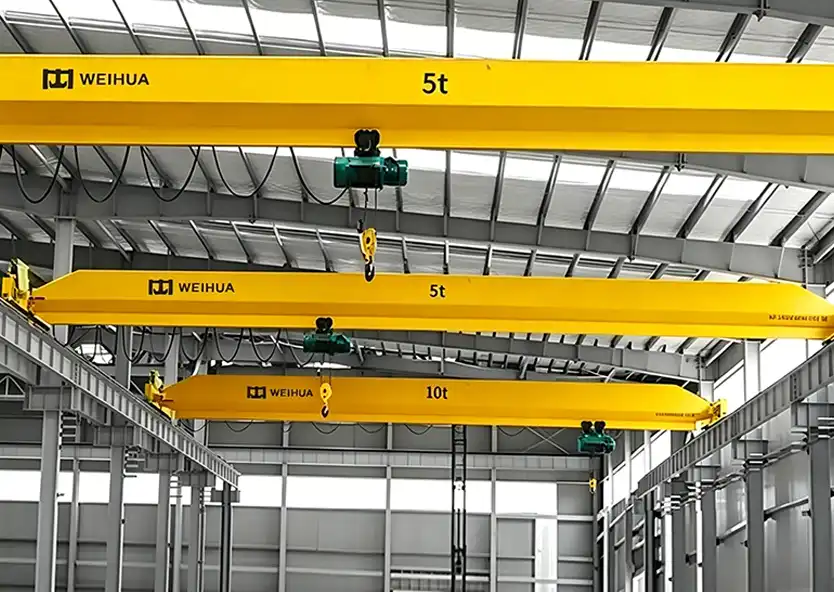
Many people who run workshops or storage yards struggle to choose between semi-gantry and full gantry cranes. Both carry goods along ground rails, but they support the main beam in different ways. Quite a few buyers only check lifting capacity first. They do not think about whether their building or yard space can fit the crane design. We list simple practical points here to help you pick the right one for your site.
Basic structural difference
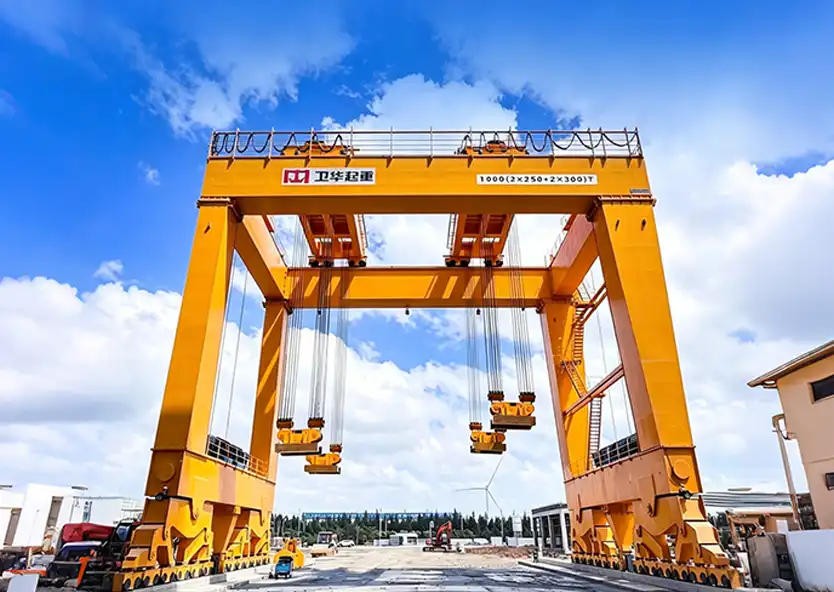
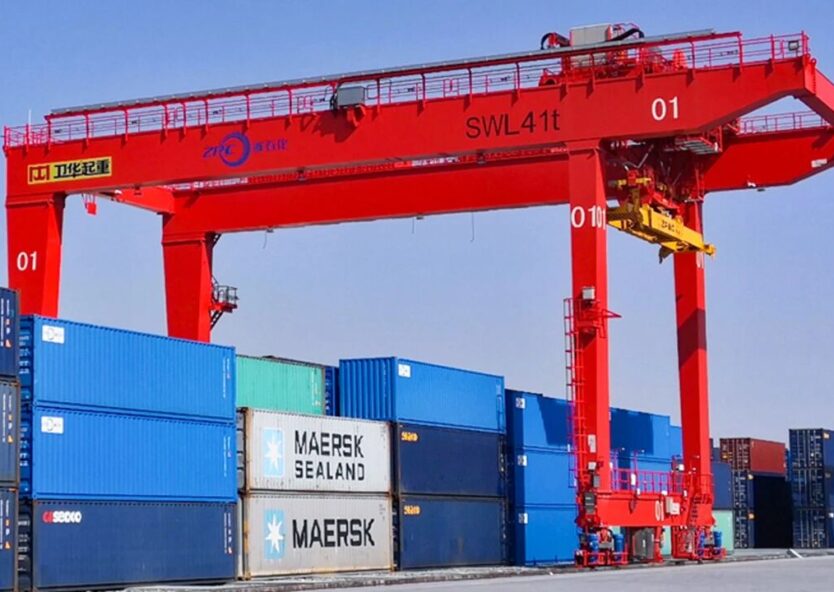
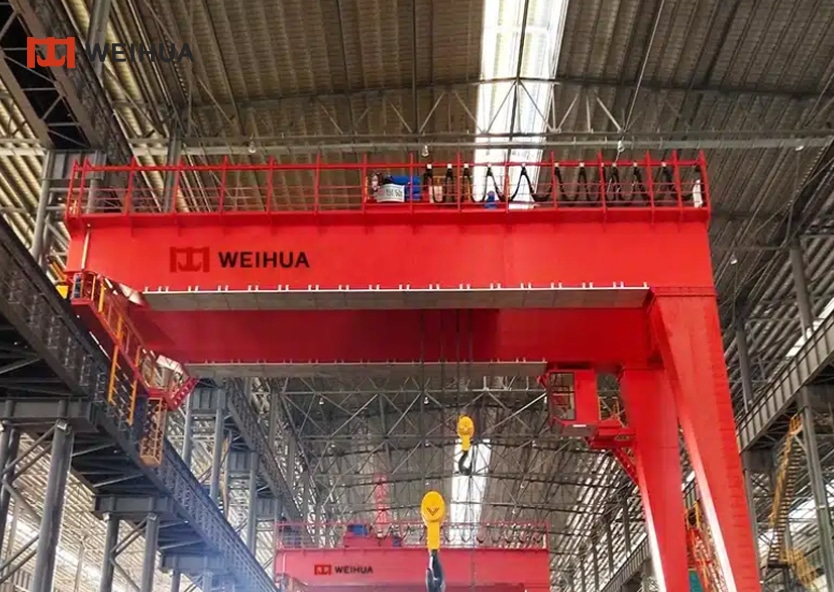
A full gantry crane comes with two support legs. Both legs move on ground rails, and the whole crane does not need any help from the building. It stands independently.
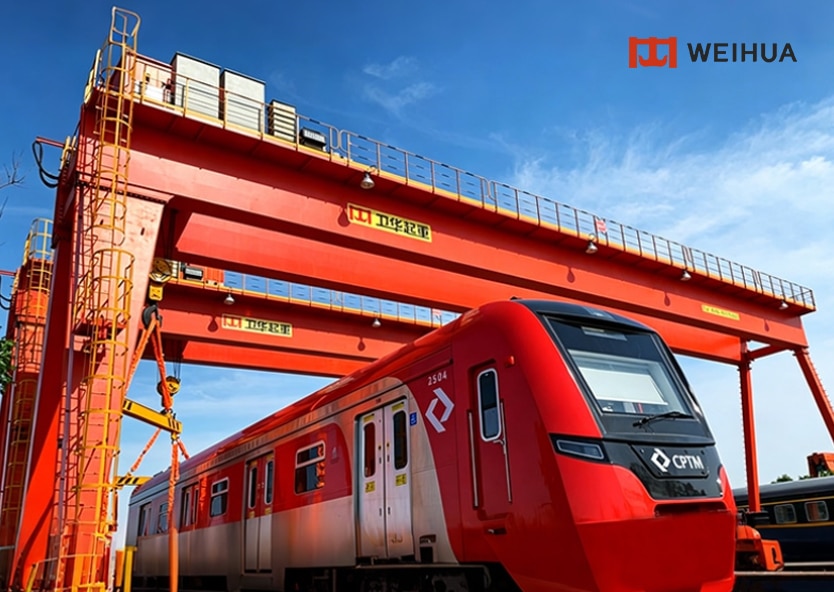
A semi-gantry crane has one leg running on ground rails. Its other end moves on a runway beam mounted on your building columns. This mixed design relies on your existing workshop structure. You cannot use this crane unless a structural engineer approves that the building can bear this extra load.
Floor space and aisle layout
Full gantry cranes need rails and clear space on both sides of the working zone. The two legs take up floor space, and you have to keep safety gaps around them. This arrangement may block forklift routes and storage areas in narrow workshops.
Semi-gantry cranes save space next to the building. You only lay one set of ground rails. The passage beside the wall remains free for trucks, material stacking, and regular transport. This advantage works well for old workshops that cannot spare extra floor space.
Load capacity and stability
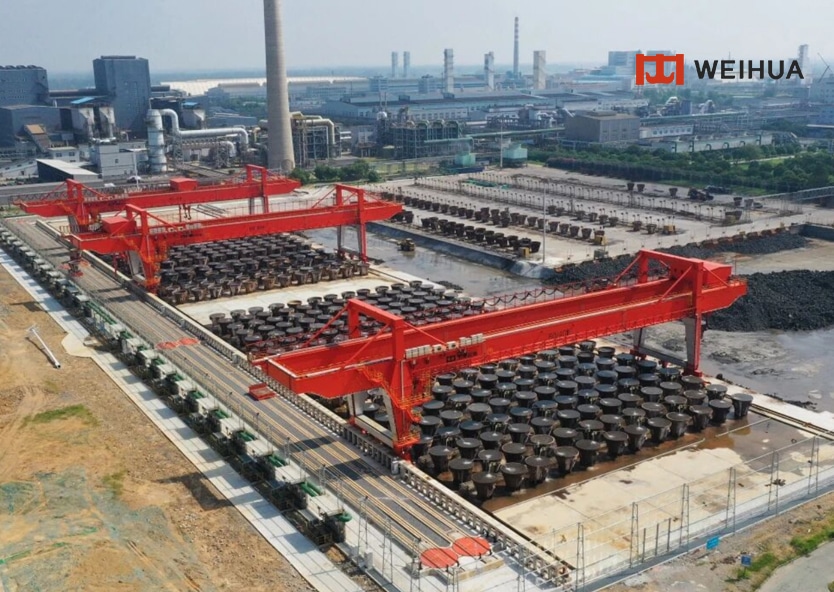
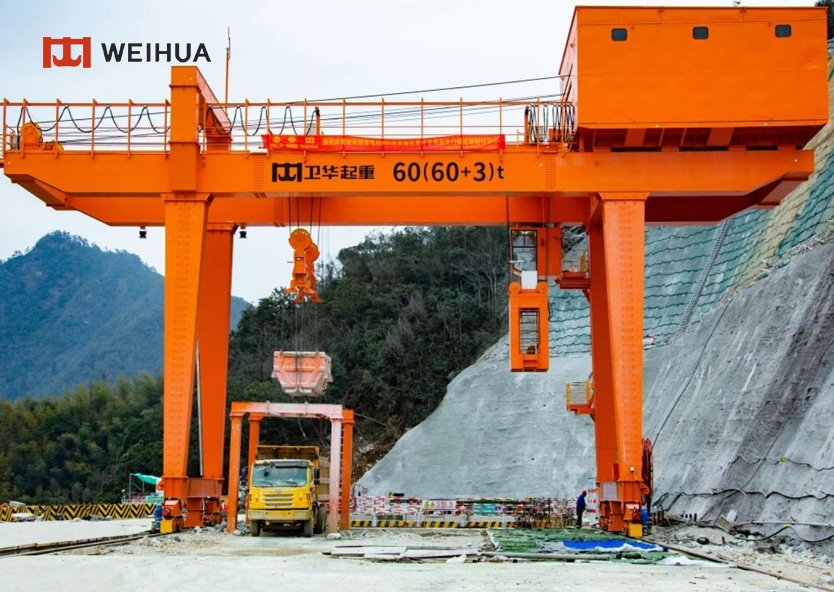
Full gantry cranes get balanced support from two sides. They handle heavier loads and wider spans. Many users choose them for frequent heavy lifting. The symmetrical structure keeps them running even in windy outdoor yards.
Semi-gantry cranes mostly work for light and medium lifting tasks. You can make heavy-duty semi-gantry types, but the building side sets the main limit. If your columns or beams do not have enough strength, you cannot raise the rated load as you want.
Civil work and overall cost
If you install a full gantry crane, you need to build two solid rail foundations. The project consumes more steel and needs more civil work. Its upfront cost is generally higher.
Semi-gantry cranes remove one side of ground foundation work. When your existing building steel meets the standard, you spend less on site changes. It is widely used for renovation projects with limited budgets. Even so, you need to finish the structural check before construction starts. Hidden weak parts of the building will bring safety hazards.
Typical working sites for each type
Full gantry cranes fit open outdoor yards, steel stock areas, precast component yards, and large fabrication shops. These places have enough open ground, and users do not want the crane to depend on building structures.
Semi-gantry cranes work nicely in narrow indoor bays, machine repair zones, and semi-open working areas. Some users install them under existing overhead cranes. They add new lifting points without rebuilding the whole workshop.
Weihua supplies both semi-gantry and full gantry crane solutions. Our team reviews your building drawings, yard size, lifting weight, and wind conditions, then recommends the proper structure for your project.
Frequently Asked Questions
1. Can I change a full gantry crane into a semi-gantry crane later?
It is not a simple switch. The force transfer design is totally different. You need a full structural assessment before you make any change. Most projects will build a new crane instead of modifying the old one.
2. Which one is more suitable for outdoor use?
Full gantry cranes are the common pick for outdoor yards. They do not depend on building supports and hold better stability against wind. Semi-gantry models can run outdoors too, but the building side must withstand wind load safely.
3. Does a semi-gantry crane share the same runway with an overhead crane?
Yes, in many cases. The upper side of the semi-gantry crane can travel on the same runway beam as overhead cranes. This helps you make better use of your existing overhead rail system.
4. Which one needs more routine maintenance?
Both require regular checks. For full gantry cranes, your staff focuses on two sets of travel wheels and rail alignment. For semi-gantry cranes, you need to watch the upper trolley connection and the stress condition of the building runway beam.
5. What is the main limit for a semi-gantry crane?
Its biggest limit comes from the building structure. If your columns or runway beams cannot carry the dynamic load, you cannot run a semi-gantry crane even if you have enough floor space.
6. What site information should I send to get an accurate quotation?
Prepare max lifting load, span, lifting height, indoor or outdoor working conditions, building column drawings, and clear photos of the yard. These details help Weihua engineers rule out unsuitable plans quickly.