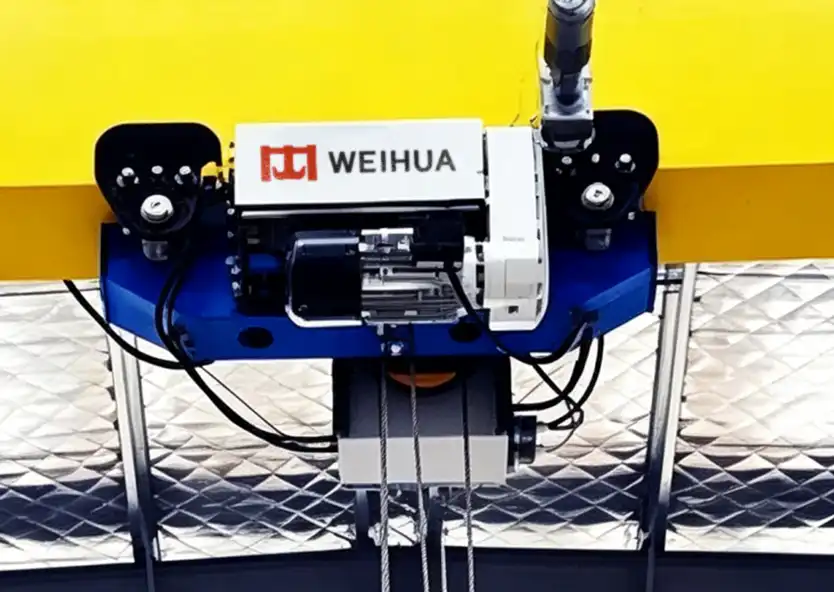
Picking between a jib crane and an overhead crane sounds straightforward on paper, but it rarely comes down to random preference. At the end of the day, it all boils down to your workshop’s real-world needs: what exactly are you lifting, and where do you need to move it?
A small machine shop handling localized part lifts has totally different demands than a full-scale factory moving heavy assemblies across an entire production floor. Both rely on crane lifting, but each scenario calls for a completely different type of equipment. That’s why it’s always smarter to assess your workshop’s daily operations first — before you even start comparing crane specs and technical data.
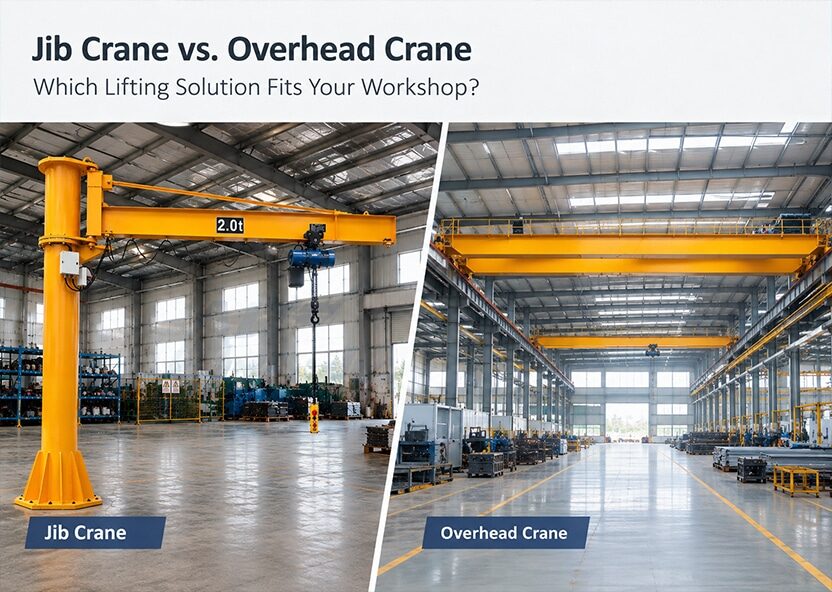
When a Jib Crane Is the Perfect Workshop Fit
Let’s walk through a common shop floor scenario. Say your team needs to lift a motor off a pallet and set it right next to a CNC machine or assembly station. The load only moves a few feet, and it never needs to travel across the entire building.
This is exactly where jib cranes shine.
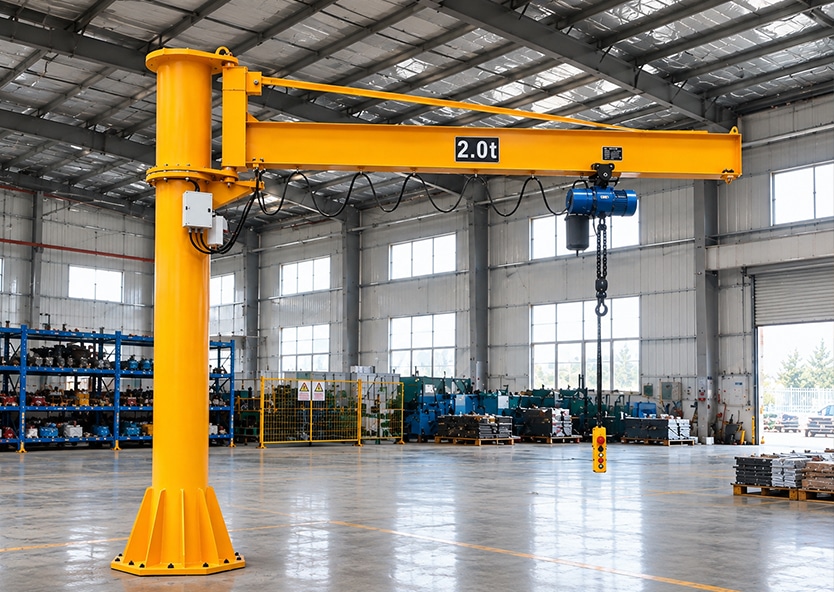
Mounted to a fixed point — either the floor, a wall, or a structural column — jib cranes feature a rotating horizontal arm. The hoist glides along this arm, giving operators a compact, dedicated lifting zone right where they need it most.
You’ll see these cranes everywhere in day-to-day workshop setups: beside CNC machines, at individual assembly workstations, in maintenance bays, and on small production lines. They’re ideal for situations where one specific station needs its own dedicated lifting gear, instead of sharing a single crane across the whole shop.
Installation is also relatively simple and cost-effective, as long as your mounting structure can handle the crane’s weight and maximum load capacity. Since jib cranes only serve a targeted area, you won’t need to install extensive runway systems spanning your entire workshop — no over-engineering, no wasted space or budget.
When You Should Go With an Overhead Crane
Now let’s switch to a larger, busier manufacturing environment.
If your workshop has multiple production zones, heavy components get assembled across different areas, and materials constantly move from one end of the facility to the other — a fixed, single-point jib crane will quickly become a bottleneck. This is where overhead cranes make all the difference.
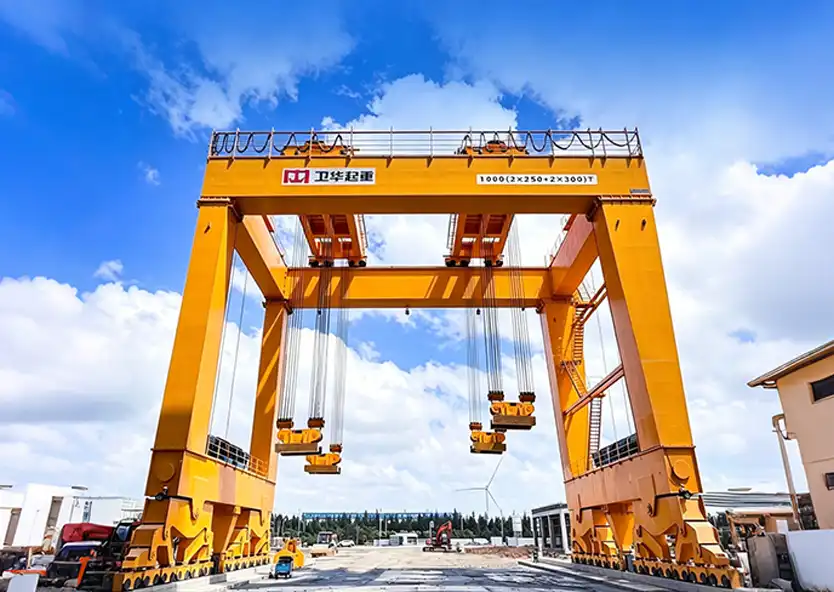
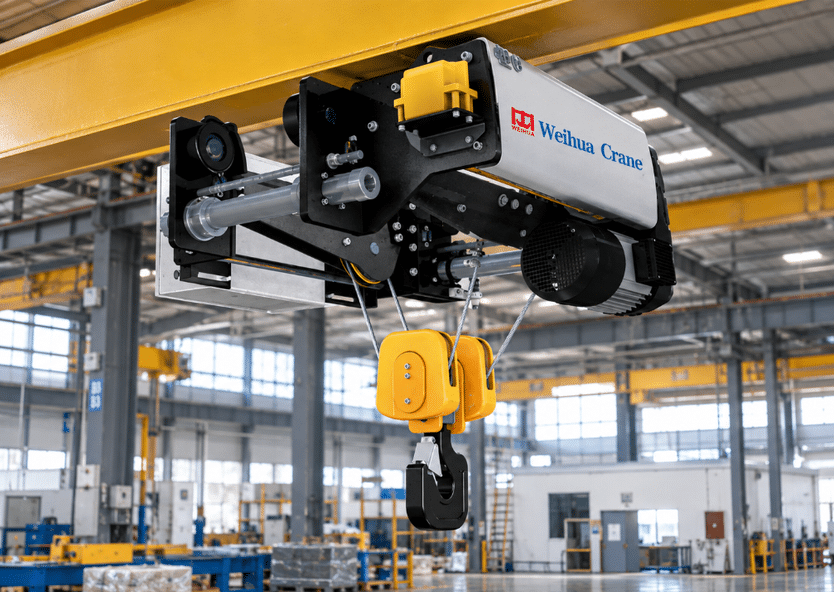
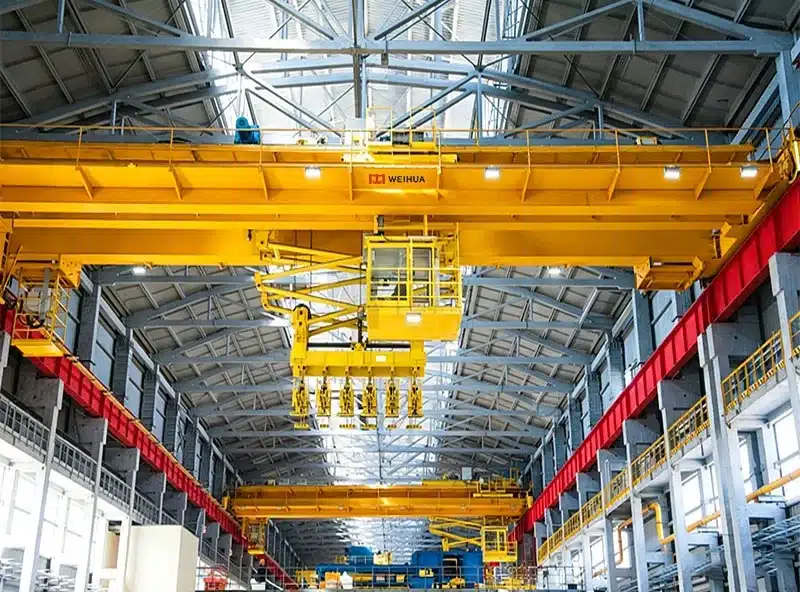
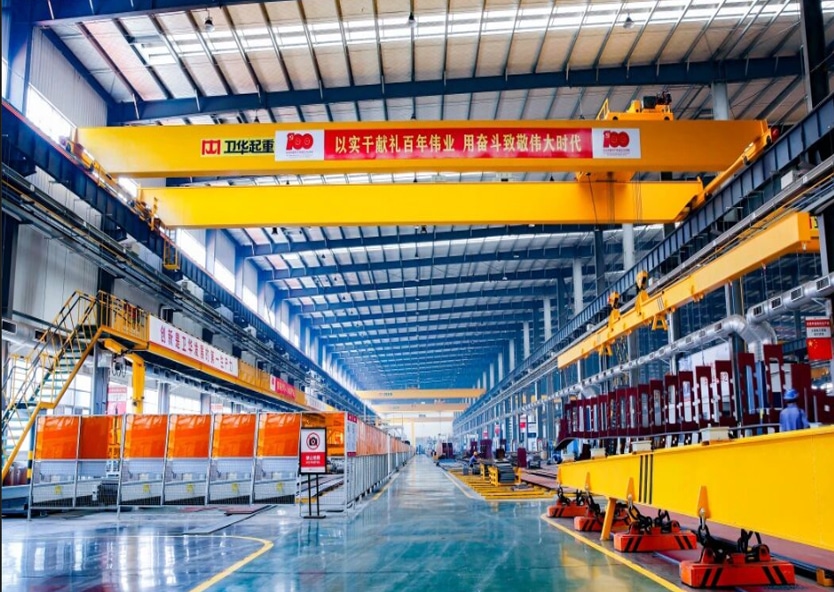
Overhead cranes run on elevated rails mounted along the length of your workshop. The trolley and hoist slide freely along the bridge, letting you pick up loads anywhere in the crane’s coverage area and transport them anywhere else in the zone — no forklifts or manual floor transport required.
This is why overhead cranes are the go-to choice for steel shops, heavy machinery factories, and large-scale manufacturing plants. They’re built for continuous, wide-ranging material movement across entire production floors.
Sizing an overhead crane isn’t just about lifting capacity, either. You have to factor in your workshop’s span, lifting height, runway length, daily usage frequency, and building structure. A single-girder overhead crane works great for light-to-medium daily operations, while heavy-duty, high-frequency work will demand a more robust double-girder setup.
Choose Based on Load Movement, Not Just Crane Specs
Here’s the simplest way to decide: forget the crane itself for a minute, and focus entirely on your loads.
Where do your loads start their journey? Where do they need to end up? How often does this lifting task happen?
If your loads only move short distances — like from a pallet to a nearby machine — a jib crane is the most logical, cost-efficient pick. Operators get a tight, functional work zone without paying for more coverage than they need.
But if your materials regularly travel between multiple production areas across your shop floor, an overhead crane is non-negotiable. It delivers the full-facility mobility jib cranes simply can’t match.
This also explains why comparing just tonnage ratings can be misleading. A 5-ton jib crane and a 5-ton overhead crane have the same lifting capacity on paper, but they’re designed for completely different jobs. Tonnage alone will never tell you which is the right fit for your workflow.
Workshop Space Is a Make-or-Break Factor
Your available floor and overhead space will quickly narrow down your options.
Jib cranes take up almost no valuable floor space at individual workstations. As long as you have a solid mounting structure and proper foundation support, you can install them exactly where lifting is needed — no full-shop runway system required.
Overhead cranes are a whole different consideration, because your building itself becomes part of the installation project. You’ll need to verify runway positioning, vertical headroom, structural column strength, and maximum available lifting height before you can move forward.
That said, overhead cranes save massive amounts of floor space in the long run. Since all lifting operations happen overhead, your ground floor stays completely free for production work, equipment storage, and material staging — a huge advantage for cramped, high-volume workshops.
On the flip side, installing a full overhead crane system is overkill if you only need occasional lifting in one small corner of your shop. It’s simply more equipment and cost than the job justifies.
Daily Usage & Maintenance Realities
Your daily lifting workload should also shape your decision.
A crane used occasionally for quick machine part removal has far different requirements than one running nonstop for an entire production shift. Your crane’s duty cycle, hoist type, control system, and accessory parts should always match your actual usage frequency and load types.
Load size and shape matter too. Compact machine components are easy to maneuver with a jib crane’s fixed-range movement. But extra-long steel beams, large welded assemblies, or oversized parts need the wide, unrestricted travel and precise control that overhead cranes provide.
There’s no truth to the idea that “bigger cranes are better”. In most workshop scenarios, a properly matched, smaller crane outperforms an oversized, overqualified one every time. Right-sized equipment is easier to operate, cheaper to maintain, and delivers better long-term value.
You Don’t Have to Pick Just One
Many efficient workshops run both crane types side by side — and for good reason.
An overhead crane handles heavy, long-distance material transport across the main production floor. Meanwhile, dedicated jib cranes serve individual machines and workstations for quick, small-scale lifts. It’s a streamlined setup that eliminates workflow bottlenecks.
With this setup, your main overhead crane doesn’t get tied up with constant small lifting tasks, and station operators have instant access to lifting gear right at their workspace. Of course, this dual setup isn’t right for every facility — it all depends on your production processes and material flow. But it’s absolutely worth considering if your workshop has mixed, varied lifting needs.
Final Verdict: Start With Your Workflow, Not the Crane
Before you reach out for crane quotes, take 10–15 minutes to map out your actual lifting processes.
Measure your available space and vertical lifting height. Trace the exact path your loads travel. Note your maximum load weight, lifting frequency, and whether work is localized or spread across the entire shop.
For overhead cranes, prioritize checking your building’s structural integrity and runway conditions. For jib cranes, focus on installation positioning and mounting support stability.
Once you nail down these operational details, the choice between jib and overhead cranes becomes obvious.
Jib cranes are the practical, cost-effective solution for localized, workstation-specific lifting. Overhead cranes excel at wide-range, full-facility material movement. And when your workshop has both types of lifting demands, combining the two systems often creates the most efficient setup of all.
The best crane solution isn’t the most advanced or highest-capacity one — it’s the one that fits your workshop’s unique way of working.
Frequently Asked Questions
1. Can a jib crane fully replace an overhead crane?
No, not for most large-scale operations. Jib cranes are built for limited, localized work zones, while overhead cranes offer full-facility load mobility. If you need to move materials across multiple production areas, an overhead crane is the only viable option.
2. Are jib cranes only suitable for light loads?
Absolutely not. Jib cranes come in a wide range of capacities and configurations to handle light, medium, and even heavy loads. Your required size depends on your load weight, working conditions, daily lifting frequency, and structural setup.
3. Do overhead cranes take up valuable floor space?
The crane itself operates entirely overhead, so your ground floor remains fully usable for production and storage. The only space requirements are for the building’s runway supports and structural mounting points, which don’t impact daily floor operations.
4. What’s the best crane for CNC machine workstations?
Jib cranes are the top choice for CNC machine setups. They let operators quickly lift and shift parts between pallets, machines, and nearby work areas without needing a full-shop overhead crane system.
5. How do I pick the right crane for my workshop?
Start with your material flow, not crane specs. Map out load start and end points, lifting frequency, maximum load weight, required lifting height, and coverage area. These operational details will always give you a more accurate decision than just comparing tonnage ratings.