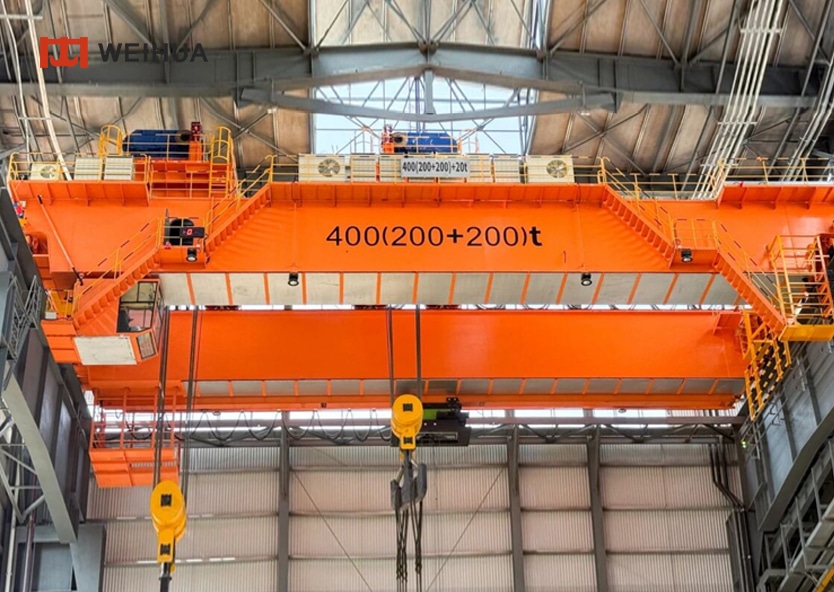
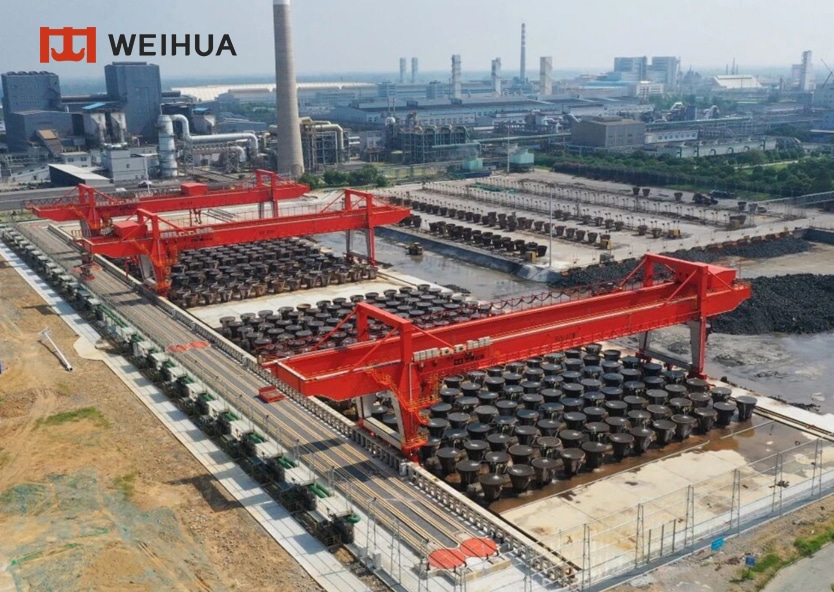
If you run a steel mill, a ladle overhead crane does very hard work. It carries big ladles full of molten steel, moving them between the furnace, refining station, and casting zone. In every run, this crane must hold a heavy load, keep steady movement, and run in places with strong heat all day.
A normal workshop overhead crane cannot do this job well. Strong radiant heat, repeated lifting cycles, and serious risk once handling fails all decide how this machine should be built.
For steel plant owners who plan new crane installation or upgrade old lifting systems, you need to focus on three key points: heat protection, working duty class, and full crane structure. If you address these items well at the design stage, your long-term operation will become much easier.
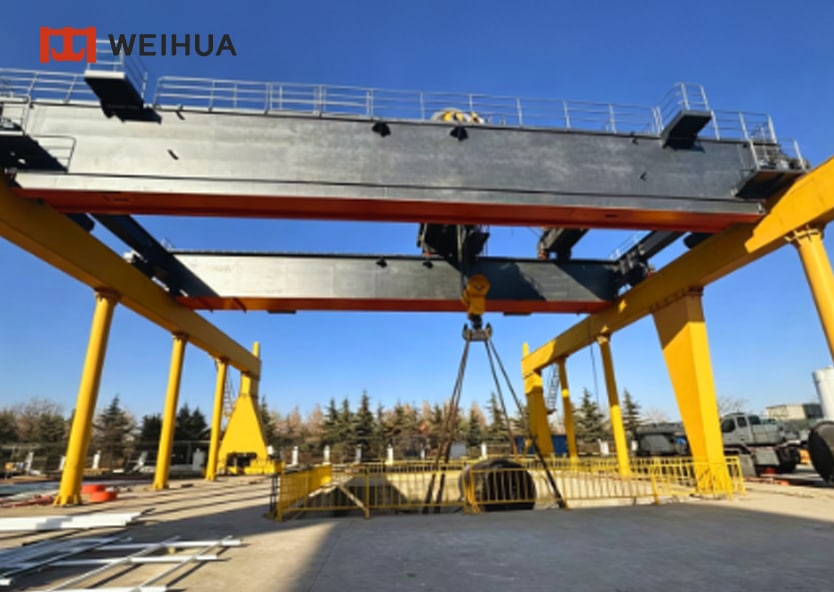
Why Ladle Cranes Need Special Design
The biggest difference between a ladle crane and a common overhead crane lies in its working environment.
During steelmaking, molten steel inside the ladle usually stays at 1500–1600°C. The crane itself will not stay at such a high temperature, but it receives strong radiant heat, especially when it moves near the furnace or pouring position.
Such heat will hurt motors, brakes, electric wires, the control cabinet, and other spare parts. If makers do not pick materials fit for real working conditions, these parts will age fast.
Load weight brings another hard problem. The total weight includes the empty ladle, refractory lining, and hot molten metal. So the full load is far heavier than an empty ladle.
Besides, steel production needs to lift and place many times in one shift. This crane must finish these moves without fast mechanical wear or frequent stops.
Because of the above reasons, technical people need to check the whole workflow, instead of choosing a crane only by lifting capacity.
Heat Protection for Critical Crane Components
Heat protection is the first thing to think about when designing a ladle overhead crane. But only adding one heat shield under the crane is not enough. Different parts face different heat levels.
Protecting the Hoisting Mechanism
The hoist unit takes the core work. Motors, brakes, gearboxes, wire ropes, and drums all must run within a safe temperature range.
According to the installation situation, designers may add a heat shield to block direct radiant heat for motors and other equipment. Proper motor insulation, heat-resistant cables, and matched lubricant also help protect these parts.
Brake systems need extra care. They must hold the hanging load firmly under the set working conditions. When selecting brakes, people need to consider lifting duty, load feature, and local safety rules.
Protecting Electrical Systems
Many people ignore electrical equipment at the early design stage.
Cables, limit switches, sensors, and control cabinets will get damaged under too much heat. If possible, arrange cable routes away from direct heat sources. If heat cannot be avoided, choose proper insulation and protection structure.
The control cabinet may need to move to other place, add heat shield or install cooling device. This choice depends on its position and surrounding temperature.
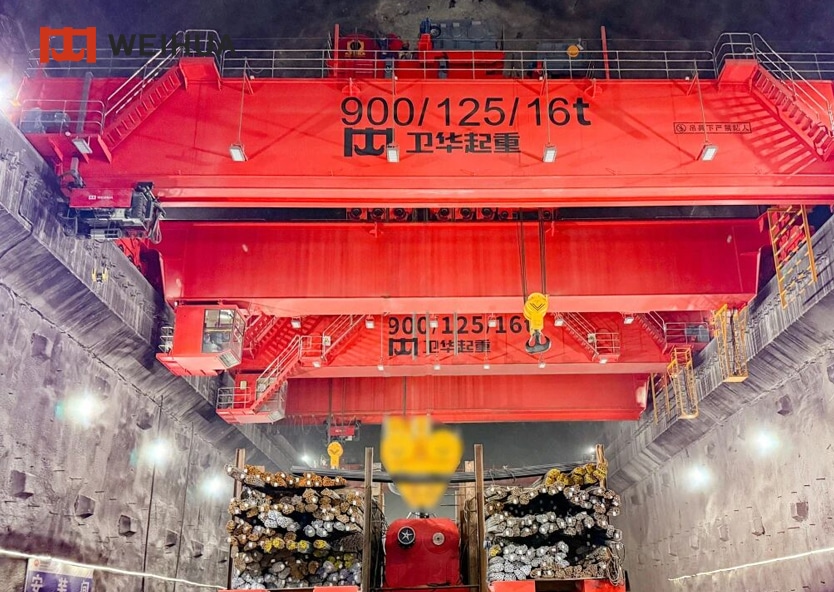
Operator Cabin Protection
If the operator cabin sits inside a radiant heat area, it needs full protection. This may use heat-proof glass, an insulated floor, a metal shield under the cabin, and a fully closed frame.
For example, ASME B30.2-2022 writes clear rules for cabins used to move molten material. It covers protective glass, floor insulation, metal shield, and material that will not spread fire easily.
The final protection plan should follow related standards and the actual cabin location.
Choosing the Right Duty Class
A ladle crane usually runs more often than a common workshop crane. It keeps lifting, travelling, and positioning again and again throughout the production day.
So duty class is a very important item in specification.
ISO 4301 classifies cranes by load spectrum and running frequency. In simple words, engineers need to know how often this crane works, how heavy each load is, and how many cycles it will complete.
For a steel mill, rated capacity cannot tell everything.
We can take two cranes with the same lifting capacity as an example. One lifts heavy loads only now and then; another moves ladles nonstop for many shifts. Their working situation is totally different, even if their marked capacity looks the same.
The right duty class guides people to pick motors, brakes, gearboxes, wire ropes, and other parts.
Intensive production may need higher duty equipment. But you should not pick the highest class blindly without checking real running cycles. The design must match expected workload and site conditions.
So your project paper needs to record shift number, lifting frequency, average load, max load, and total running cycles. These data help the manufacturer offer the correct crane design.
Main Structural and Safety Design Requirements
A strong bridge girder alone is not enough for a ladle crane. Its lifting and travelling system must cooperate well together.
Bridge and trolley structure
The bridge frame must bear the rated load and also take dynamic forces from lifting, braking, and travelling. Designers also need to calculate wheel load, runway condition, and building structure limit.
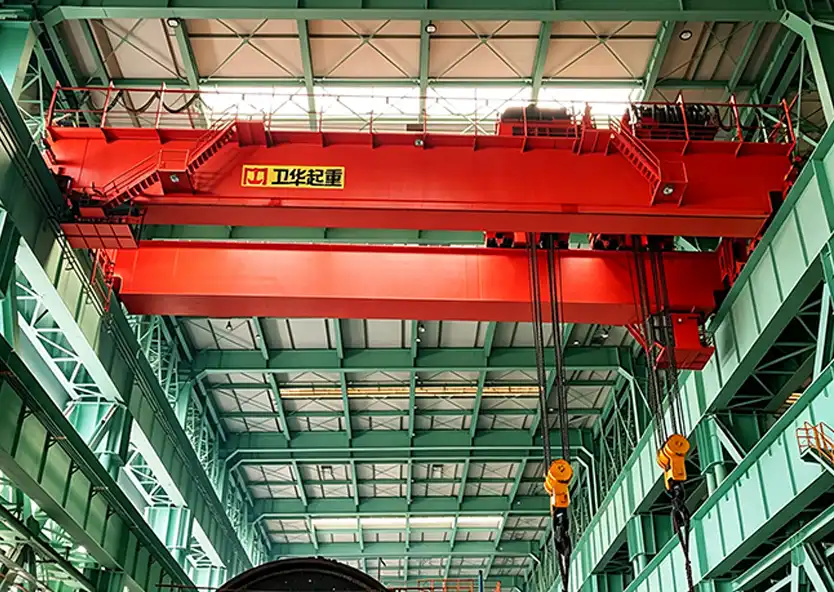
The double-girder type is widely used for heavy-duty lifting. It gives a stable platform for the trolley and hoist. Still, the final choice depends on capacity, span, headroom, and plant layout.
Lifting and braking systems
The hoist system must lift and lower the load smoothly. The brake set should fit the load and duty. Related safety functions are decided by local standards and risk evaluation.
If the project needs an extra holding brake or emergency brake, these functions must be confirmed at the first engineering stage.
Load control and positioning
Soft start and soft stop reduce load swing and mechanical impact. VFD drive can control acceleration and deceleration for lifting and travelling movement.
Limit switches, overload protection, and monitoring equipment make operation safer. If plant layout allows, camera and positioning aids help the operator check hook and load position clearly.
Maintenance access
Regular inspection is necessary for machines working in a steel mill. The design must let service people reach key parts easily, including brakes, motors, bearings, and the wire rope system.
Good access for maintenance makes inspection simple and cuts unexpected downtime.
What Should Buyers Confirm Before Ordering?
When you ask for a quotation, you cannot only tell the supplier your required lifting capacity.
The manufacturer needs to know where this crane works and what it carries. Important information includes: Max total ladle weight, including ladle body, lining, and molten steel. Required lifting capacity and lifting height. Crane span and runway size. Distance between furnace, refining zone, and casting station. Lifting times each hour and working shifts. Environmental temperature and radiant heat level. Control type: cabin control or remote control.
You can also talk about the future production plan. If your plant will raise output or change layout later, these plans will affect crane configuration.
Weihua supplies overhead cranes for heavy industry. Its capacity, span, duty class, and control mode can be adjusted for different projects. For ladle handling crane, the final design comes from a full check of the steel mill running conditions.
Frequently Asked Questions
What is a ladle handling overhead crane used for?
It moves ladles filled with molten steel between the furnace, refining station, and continuous casting line.
Why does a ladle crane need heat protection?
Radiant heat from molten steel will damage motors, brakes, cables, electrical parts, and the operator cabin. Shields and heat-resistant parts keep all systems running within safe temperatures.
What temperature can molten steel reach?
Molten steel usually stays around 1500–1600°C in steelmaking. The exact value changes with the production process and steel grade.
Which duty class is suitable for a ladle crane?
There is no fixed class that fits all steel mills. Engineers decide it by load spectrum, running frequency, working hours, and site conditions, following the related classification standard.
Is a double-girder design necessary for ladle cranes?
A double-girder design is a common choice for heavy ladle lifting. But the final structure is decided by lifting capacity, span, working conditions, and project demand.
What information is needed to design a ladle crane?
You need to offer total ladle weight, lifting height, span, lifting cycles, heat exposure, plant layout and required safety standard. These data help the supplier make a proper crane plan.