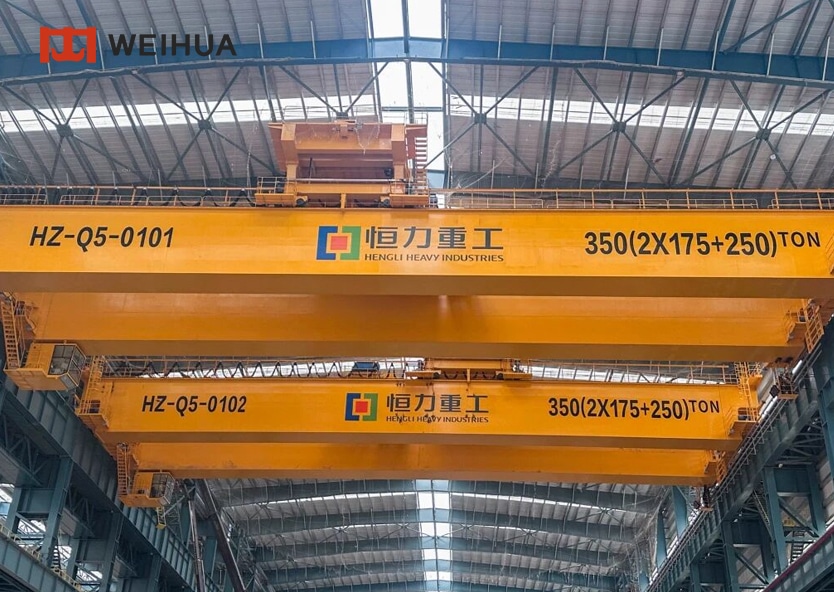
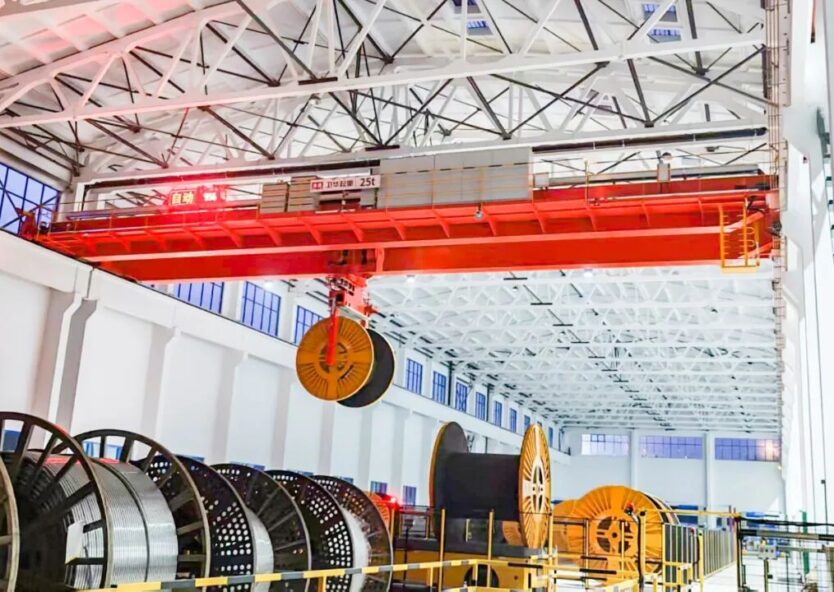
Look at the data plate on any overhead crane, and you will find two letters next to the safe working load. A3. A5. A1. Nobody explains what they mean, so most people look straight past them and take them for part of the serial number.
Those two letters mean something else entirely. They are the duty class, and it sets the spec for most of the machine — which motor, what size of rope, how heavy the brakes have to be. Get it wrong in the expensive direction, and you are paying for a crane stronger than anything you will ever lift. Get it wrong the other way and the rope and bearings start letting go sooner than anyone planned for.
What Those Two Letters Stand For
A crane cannot see your loads. It only knows what somebody assumed when it was drawn on paper, and a designer then writes those assumptions down as a duty class.
For overhead travelling cranes, the standard is ISO 4301, which runs from A1 to A6. Three things decide the class: the load spectrum, hours per day, and cycles per hour. Load spectrum is the one people struggle to pin down, and it deserves a minute of your time. It is not simply your heaviest load. It covers how heavy the loads are compared with the rated capacity, how often they arrive, and how much they change from one lift to the next.
ISO 4301 also assumes a service life of roughly twenty years. That is worth pausing on. A crane running two shifts and a crane doing a maintenance round every morning both cover twenty years, and they are nowhere near equal in what gets asked of them.
A1 to A6, Roughly Speaking
A1 and A2 come up when nobody uses the crane much. It sits in a small repair shop, or somebody calls it out twice a week for something, and then it goes back. Light loads, few cycles, nothing that keeps it busy.
A3 comes up more than any other class. It suits ordinary workshop work — a few lifts an hour, one shift or two, loads that stay well under the rated capacity. Machine shops, assembly lines, goods-in areas usually end up here without much argument.
Above that, the work starts to bite. A4 is repetitive, multi-shift running, and the design has to get stronger to survive it. A5 is intensive use, frequent lifting, long days, demanding cycles. A6 is for continuous or near-continuous duty: production lines that never stop, steel mills, container terminals.
Worth knowing, though. Stepping up a class mostly adds hours and cycles. What actually wears equipment out is the load spectrum, so a crane that spends the day lifting close to its rated capacity will age faster than the letter on the plate suggests.
Higher Is Not Always Better
There is a habit in the industry of treating a higher class as the safer choice. Sometimes it is. Often it is just an expensive one.
What the class actually changes is fairly concrete. A higher class means a bigger motor with more thermal reserve, rope with a higher fatigue rating, brakes and bearings that can take frequent duty. Those are the parts that fail when you work a crane past what it was sold for, and they do not give much warning first.
Going the other way costs money too. Class A5 equipment on a job that lifts twice a week is money you spend and never get back. You still have to drag, power, and maintain it like the rest of the crane.
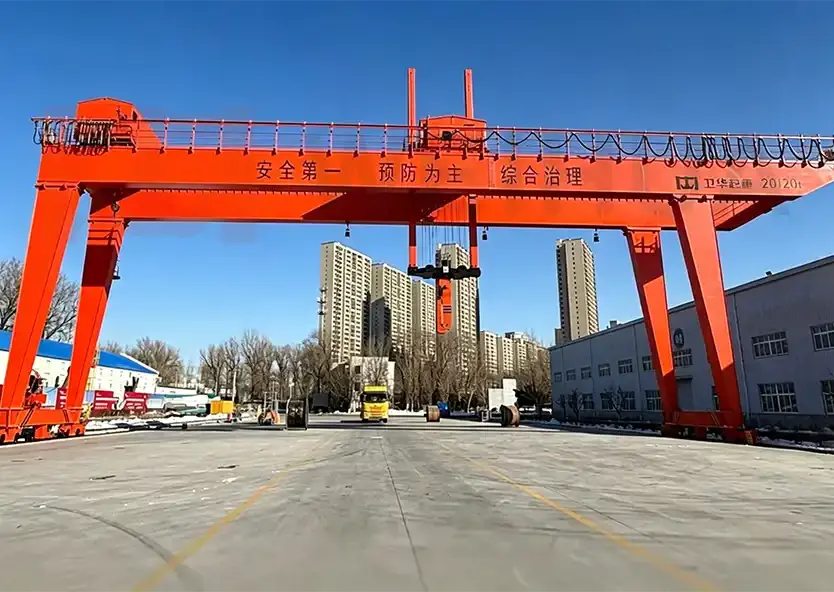
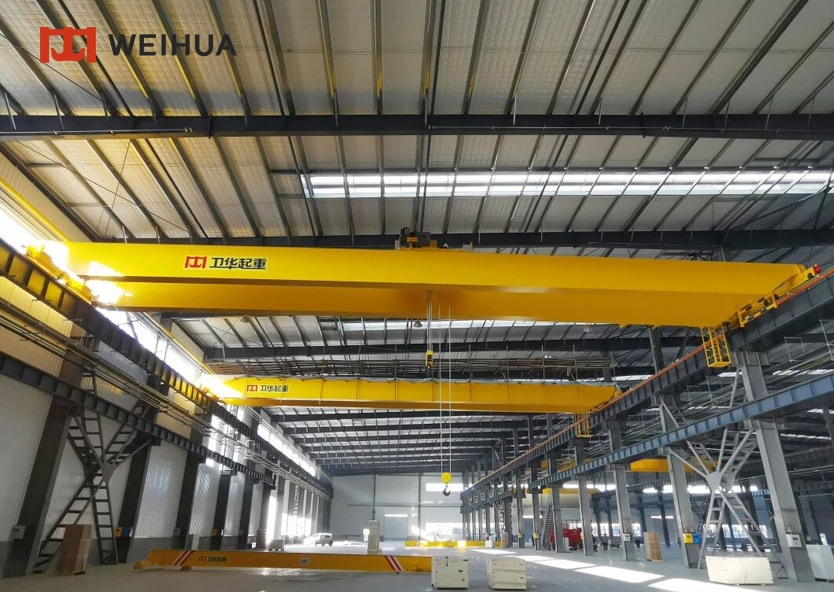
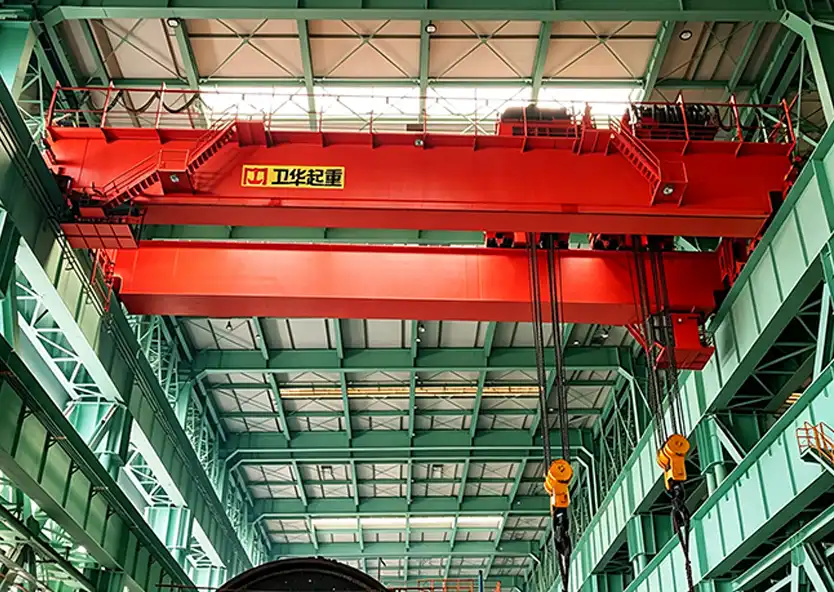
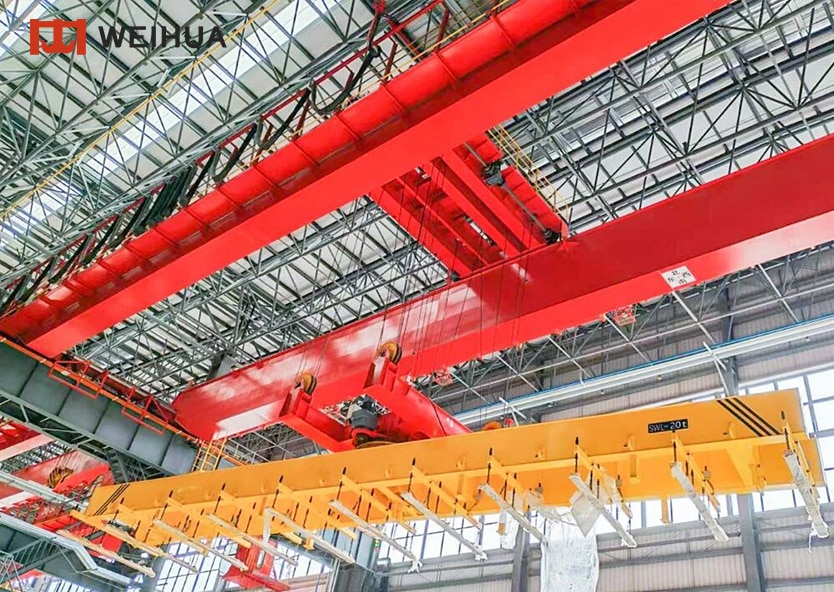
Where loads run close to rated capacity, or the span is long, or cycles come back-to-back through the day, a double girder overhead crane starts to earn its place. The extra depth in the girder gives the fatigue life a higher class asks for. For lighter work on a smaller budget, a properly specified single girder model usually does the job just as well.
If the Project Is European
Any job that follows European practice brings a second classification into the conversation, and it is worth knowing which is which.
EN 1092-2 covers the steel structure the crane runs on, and it asks for an execution class, running from EXC A1 to EXC A8 as EN 13000 defines them. The two systems answer different questions. ISO 4301 describes how people use the crane. The execution class describes how engineers build the structure underneath it. Quotes for Europe normally need both, and they should appear together on the same document.
Working It Out
Start from the working day rather than the heaviest lift in the logbook.
Count the shifts, then count the cycles in a busy hour. After that, look at the loads honestly. A crane sitting at 30 percent of capacity most of the day has a much easier life than one moving between 40 and 90 percent, and the two may well carry the same rated capacity on the plate.
Where the crane works matters too. Dust, heat, humidity, outdoor exposure and corrosive atmospheres all cut component life short. On a rough site, stepping up one class can turn out cheaper than the repair it prevents.
Last thing, when the quotation arrives, check that it names the duty class. Ask for the class, span, lift height, control method, and component list. You can only compare two quotes properly when they carry those details. One that gives you a price and a capacity is not yet a quote.
Frequently Asked Questions
1. What is a duty class on an overhead crane?
A code showing the working conditions the crane was designed for, based on load spectrum, hours per day, and cycles per hour. Overhead travelling cranes fall into classes A1 to A6 under ISO 4301.
2. Which duty class is most commonly used?
A3, for general workshop and warehouse handling over one or two shifts a day. Lower classes suit occasional use, and A4 to A6 cover intensive or continuous duty.
3. Does a higher duty class make the crane last longer?
It does, provided the crane is worked within that class. Components are sized for the fatigue load you actually impose, so a correctly matched crane normally outlasts one specified too light.
4. Is a higher duty class always better?
No. You gain fatigue resistance and pay for it in both purchase price and power consumption. Going above what the job needs means paying for capacity you will never use.
5. What is the difference between an ISO duty class and an EN 1092 execution class?
ISO 4301 classes, A1 to A6, describe how the crane is used. EN 1092 execution classes, EXC A1 to EXC A8 under EN 13000, describe how the supporting steel structure is built. European projects normally require both.
6. Where do I find the duty class of a crane I already own?
On the data plate, attached to the bridge or an end carriage. It normally shows rated capacity, span, class, and serial number. If the plate has been painted over or gone missing, the maker can usually work the class out from the hoist and bridge design.