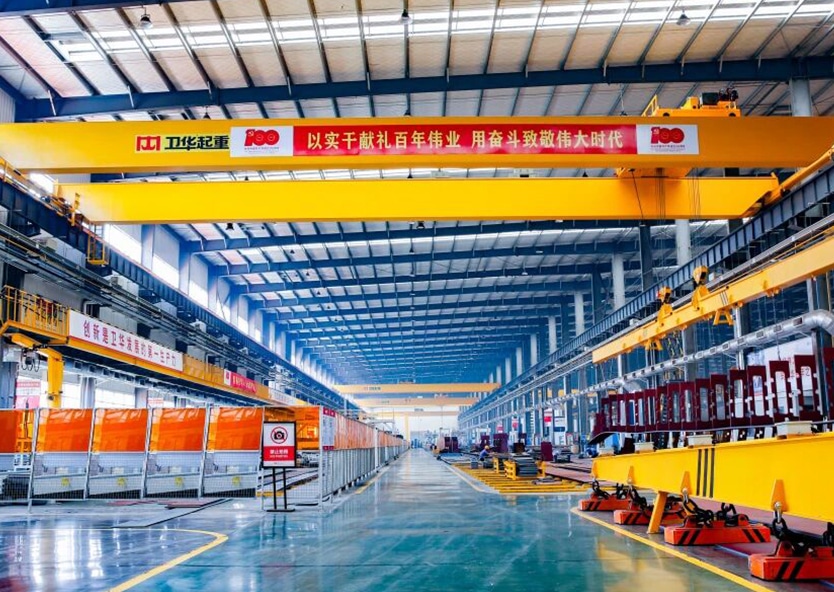
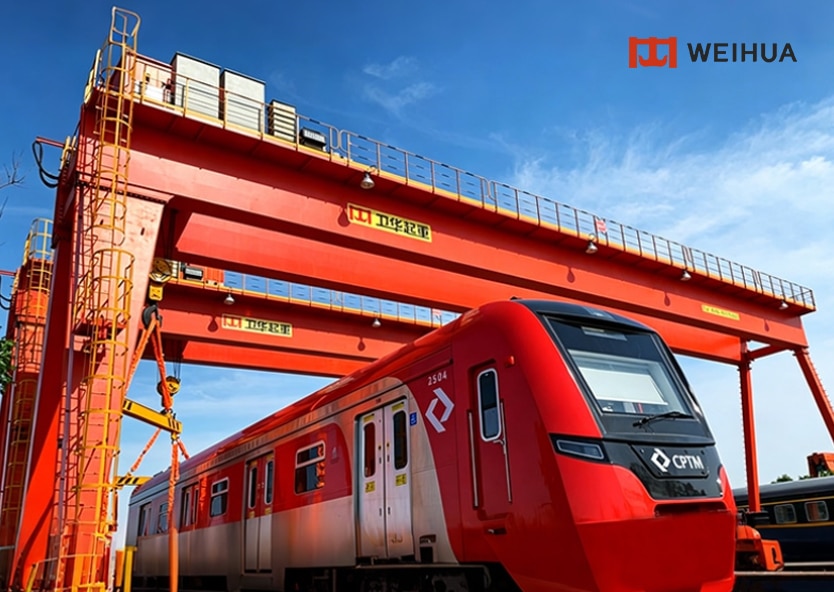
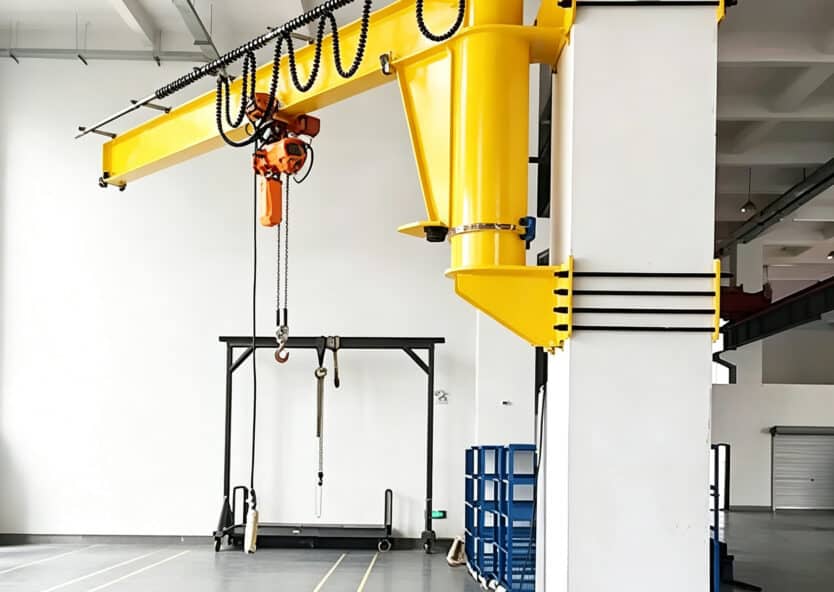
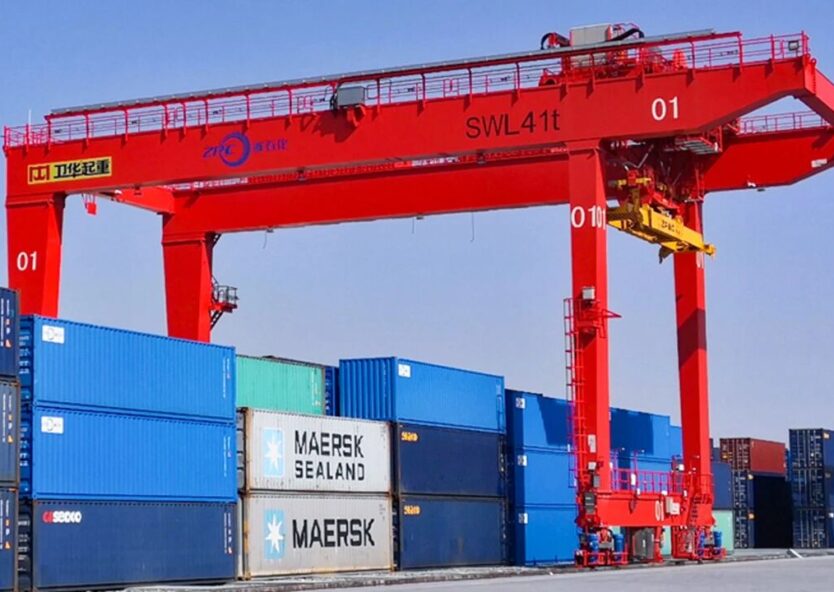
When you plan to put an overhead crane inside your factory or workshop, there are two measurements you need to think through carefully: span and lifting height. On a technical drawing, they may just look like plain numbers, yet these two items will affect how your crane works after it gets installed.
If you pick a span that does not fit your site, the crane will not reach those workstations you need it to serve. When the lifting height is not enough, operators will find it hard to lift loads over machines, storage racks, and other things placed on the floor. On the other hand, if you set these dimensions larger than what you really need, you will spend more on the equipment and the whole installation work.
So how can you work out these proper figures before placing an order for an overhead crane? You should not only look at the empty space you have. Start from your building layout and all lifting jobs you will run on site.
What Do Span and Lifting Height Mean?
Before you start taking any measurements, it helps if you know exactly what these two terms stand for.
Crane span means the horizontal distance between centre lines of the two runway rails where the crane bridge moves. This value is not equal to the width of your workshop. Where you place runway beams and supporting columns will also change this result.
As for lifting height, it is the vertical distance the main hook can move, from its lowest working position up to its highest working position. In real use, this decides how high you can lift a load away from where you pick it up.
These two measurements serve different purposes. Span controls the horizontal coverage of your crane in the workshop, and lifting height sets the vertical moving range for the hook. You have to check both together when you design your lifting system.
How to Determine the Right Overhead Crane Span
Start with your actual working area
First, mark every spot where workers need to lift, move, and set down materials.
Take a normal manufacturing workshop as an example. It may have machining equipment along one side, an assembly zone in the middle, and temporary storage near the opposite wall. Your crane needs to reach every spot where lifting work happens.
If you only measure the distance between workshop walls, you will get a wrong reference. What you really need to check are the centre lines of runway rails, no matter if they are already installed or still in planning. If you have not built the runway system yet, look over your building structure and column layout before you fix the span.
You also need to check whether the hook can reach working points close to walls and other restricted zones. Even if you confirm a fixed bridge span, you cannot make sure the hook can reach every point right under the bridge.
Check your building structure
A wider span often calls for another bridge design. When the distance between runway rails becomes bigger, main girders and supporting parts must be built to carry loads and withstand structural forces.
That is why you cannot skip the structural condition check for your workshop.
Look over these points before you confirm the span:
- Distance between centre lines of runway rails
- Where building columns sit and how far apart they are
- Runway beam sizes and how they get supported
- Roof frames, lights, pipes and other fixed obstacles
- Extra space left for crane installation and later maintenance
If this is an old workshop, original engineering drawings can work as reference. Even so, you still need to take measurements on site, especially if people changed or rebuilt the building in past years.
Pay attention to hook coverage, not only crane width
A crane may show a correct span on paper, but it still cannot serve some working areas well.
This often happens when the trolley cannot move close enough toward a wall. Sometimes end carriages also limit how far the bridge can run at both ends of the runway. Because of this, buyers need to consider hook approach distances together with the overall span. These distances tell you how near the hook can get to the edge of your working zone.
If the crane will serve many production stations, draw all lifting positions on your workshop layout. This makes it easier for the manufacturer to check if the proposed crane can cover all these spots.
How to Determine the Required Lifting Height
Measure the highest hook position you need
Many buyers make one common mistake. They take the floor-to-ceiling height of the workshop as the required lifting height. These two numbers are not the same.
You should start from the highest spot where you will place loads, and also note the lowest spot where you pick loads up.
For one factory, workers may lift equipment from the floor and put it onto an elevated production platform. At another site, people need to move steel pieces over machines and then lower them into storage.
Hook travel must fit all these operations. You also need to count in load size, lifting attachments and necessary safety clearance.
Check available headroom
Even if your workshop has a high roof, you may not have much usable vertical space for the crane.
Roof beams, ventilation ducts, lighting sets, fire protection gear and other fixed installations will take up vertical space. You also need to include runway rail height in this check.
This matters a lot when you replace an old crane. A new crane often has to fit the existing runway without big changes to the building.
If vertical space is tight, a low-headroom overhead crane can be a choice. Its compact hoist design helps you make better use of limited overhead space. Still, the final lifting height depends on crane configuration and site measurements.
Think of future lifting demands
An overhead crane will keep running for many years. It is reasonable to think about whether your lifting work will change later.
You may bring taller machines into your production line, or rearrange storage areas to hold larger components. If you already plan such changes, talk about them while the design work is ongoing.
You do not have to choose an overly large lifting height without real demand. A better way is to list those likely future requirements and confirm if the proposed crane can handle them.
Why Span and Lifting Height Should Be Selected Together
Span and lifting height are two separate specifications, but they affect the whole crane layout.
A crane built for a wide workshop needs a different bridge and trolley setup, compared with one used inside a smaller space. In the same way, a higher required lifting height will change hoist design and cut usable headroom.
Lifting capacity and working duty class also play a part. If a crane carries heavy loads very often, it needs different structural and mechanical arrangements, unlike a crane only used for occasional maintenance work.
For this reason, send the manufacturer all project details you have, instead of only asking for a crane with a fixed span and lifting height.
What Information Should You Prepare Before Requesting a Quotation?
If you want the manufacturer to understand your project well, prepare these items:
- Rated lifting capacity
- Required crane span
- Required lifting height
- Total runway length
- Workshop drawings or site measurement data
- Main load sizes and lifting points
- Working frequency and duty requirements
- Power supply on site
- Indoor or outdoor working condition
If you are replacing an existing overhead crane, send its specifications and photos taken around the installation area. These materials help the engineering team check existing infrastructure and find possible limits.
At Weihua, overhead crane configurations can be adjusted to match workshop sizes and operation needs. When you send accurate project information at an early stage, the team can work out suitable crane structure and specifications.
Frequently Asked Questions
1. Is crane span the same as workshop width?
No. Crane span is measured between centre lines of the two runway rails. Workshop width refers to the distance between building walls or other reference points. These two numbers can be different.
2. How do I measure the span of an existing overhead crane?
Measure the horizontal distance between the centre lines of the two runway rails. If direct measurement is hard to complete, old engineering drawings can work as a reference. Still, on-site checking is recommended.
3. Is lifting height the same as building height?
No. Lifting height shows the vertical moving range of the crane hook. Building height is only one factor that decides how much vertical lifting space you can get.
4. Can I increase the lifting height without changing the workshop structure?
It may work under certain conditions. A proper low-headroom hoist or another crane layout can bring more usable hook travel. Even so, this relies on existing headroom, runway elevation, and the crane configuration you pick.
5. Does a longer crane span require a stronger main girder?
Generally, a longer span will change the structural design of the main girder. The manufacturer will consider span together with lifting capacity, load cases, deflection limits, and working duty before they confirm the bridge structure.
6. What drawings are needed for overhead crane selection?
Workshop layout and building cross-section are most helpful. They need to mark building sizes, column positions, runway elevations, roof structures, and major obstacles. With these details, the manufacturer can judge the required span, lifting height, and installation conditions more properly.