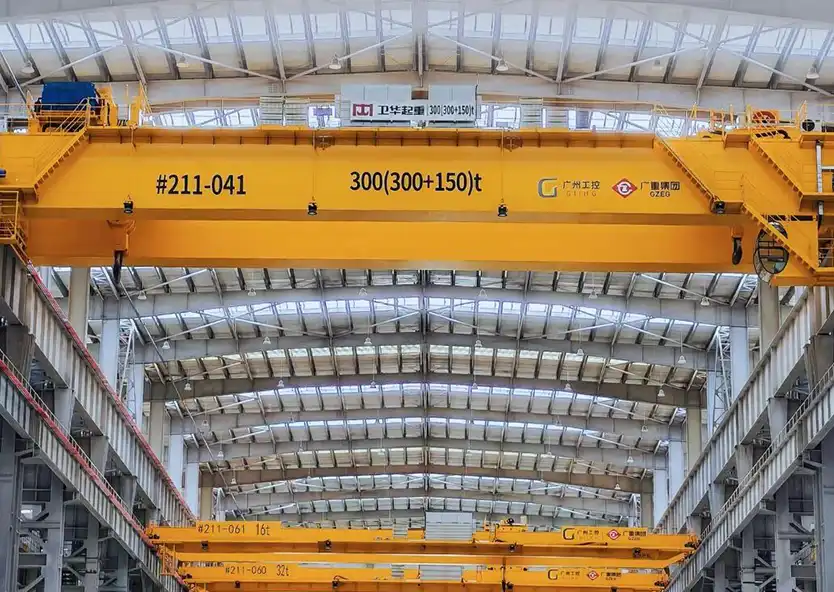
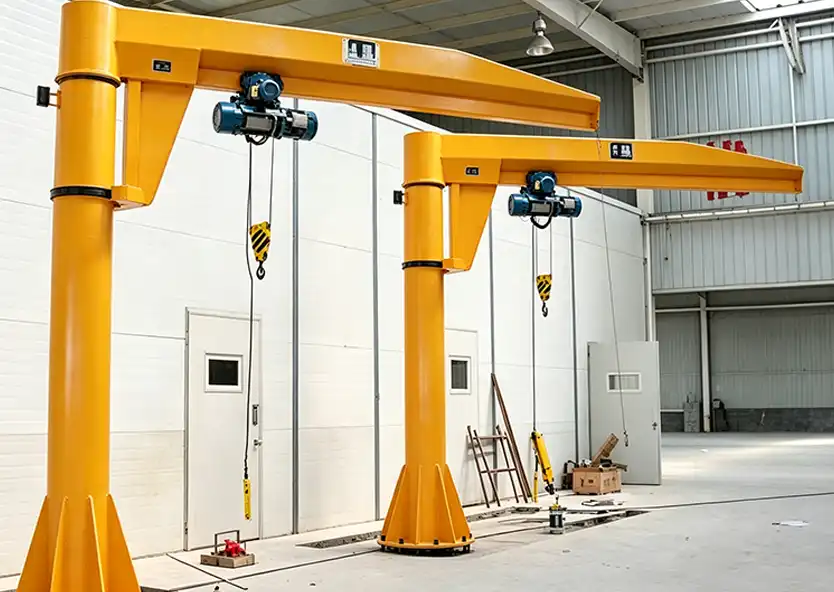
Modern container terminals play an important role in global shipping. As container volumes grow, ports face tighter schedules and more complex handling demands. A standard crane setup may not suit every terminal, so lifting equipment often needs to match the actual workflow.
Port container handling uses different lifting equipment for vessel loading, yard stacking, terminal transfer, and intermodal transport. Together, these systems support daily port operations.
Weihua offers customized port and container handling solutions adapted to various operating environments. Depending on project requirements, the equipment portfolio may include rail-mounted gantry cranes (RMGC), rubber-tired gantry cranes (RTGC), and container gantry cranes, among others, to effectively address the diverse challenges of port operations.
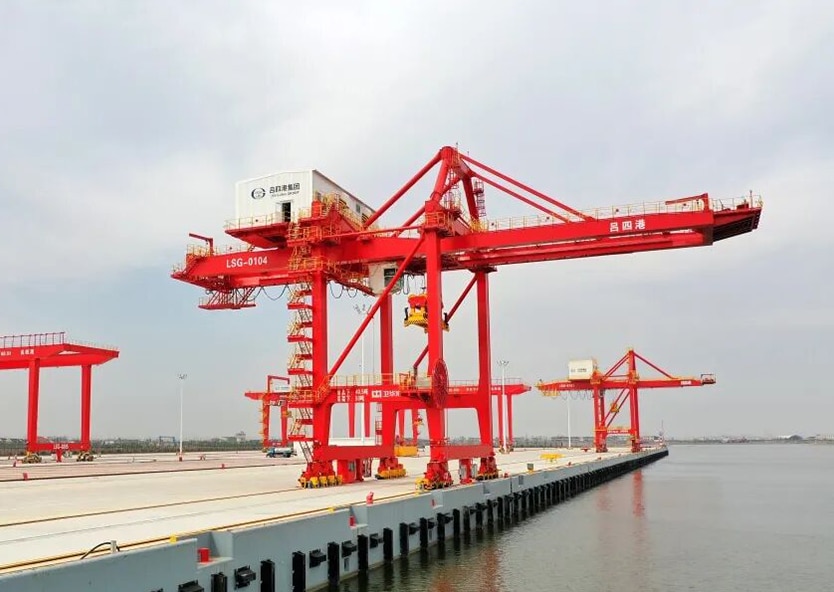
Understanding the Container Handling Process
Container handling is far more than a simple lifting task. Once containers arrive at a port, they undergo a series of sequential operational phases.
Typically, the process begins with quay cranes transferring containers between vessels and the dock. Next, yard equipment moves the containers and stacks them in designated storage zones. Finally, the containers leave the terminal via truck or rail.
Consequently, the overall efficiency of the system hinges on the seamless coordination among these distinct operational stages.
A typical container handling process may include the following activities:
Vessel loading and discharge
Intra-terminal container transfer
Yard stacking and storage
Truck loading and unloading
Rail transfer operations
Empty container handling
Intermodal cargo transport
Port layouts and transport modes vary significantly from one terminal to another. Therefore, when selecting container handling equipment, the decision should be based on a comprehensive analysis of the overall material flow, rather than focusing solely on the crane’s lifting capacity.
Main Types of Port Cranes
These cranes handle lifting, transferring, and stacking at ports, container yards, and logistics terminals. They can run on rails or rubber tyres and can be built for different container sizes, stacking heights, spans, and control systems.
Rubber-Tyred Gantry Crane (RTG)
The RTG operates on rubber tyres and does not require fixed rails, offering high mobility and flexibility. It is suitable for container yards that require adaptable operations and is commonly used for stacking, transferring, truck loading, and yard reorganisation.
Rail-Mounted Gantry Crane (RMG)
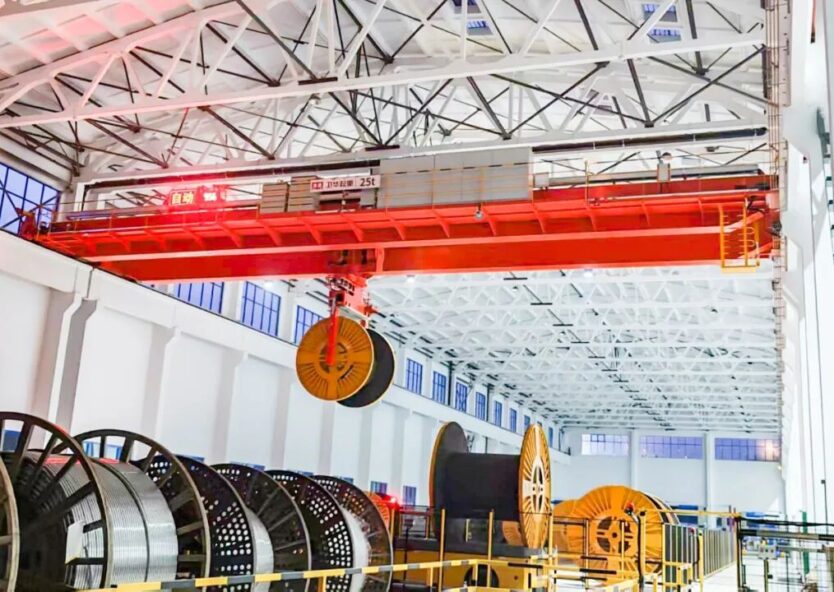
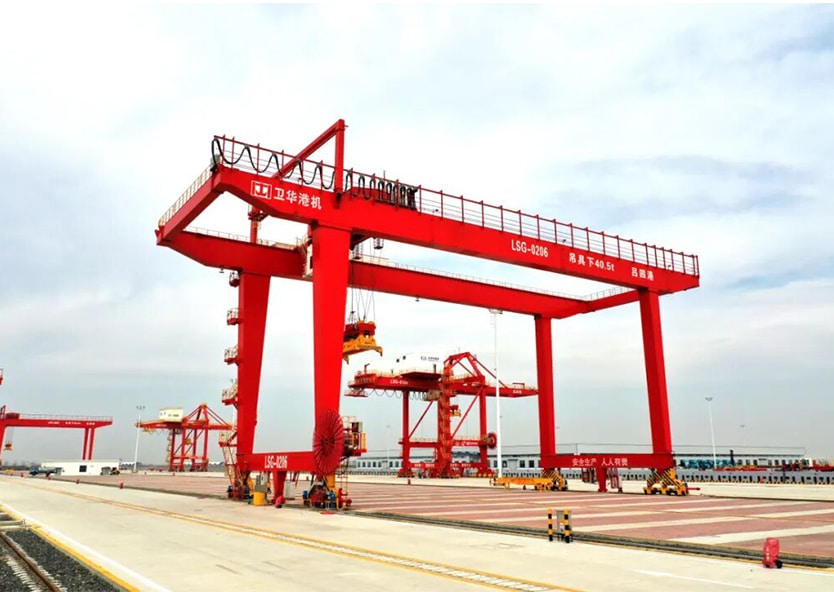
The RMG travels along fixed rails within designated operating lanes and is suitable for structured container yards and rail terminals. It is commonly used in storage yards, railway container terminals, intermodal hubs, and automated or semi-automated handling systems.
How RTG and RMG Cranes Support Container Terminals
RTG cranes offer greater maneuverability, allowing operators to move the equipment flexibly across different operational zones within the terminal. As a result, when container storage demand fluctuates, the terminal can more easily adjust its operating patterns.
In contrast, RMG cranes operate along fixed rails. This setup creates fixed operating lanes and helps move containers between storage yards, trucks, and rail systems in an organized way.
So before selecting the appropriate crane type, it is essential to fully understand the terminal’s operational processes and specific requirements.
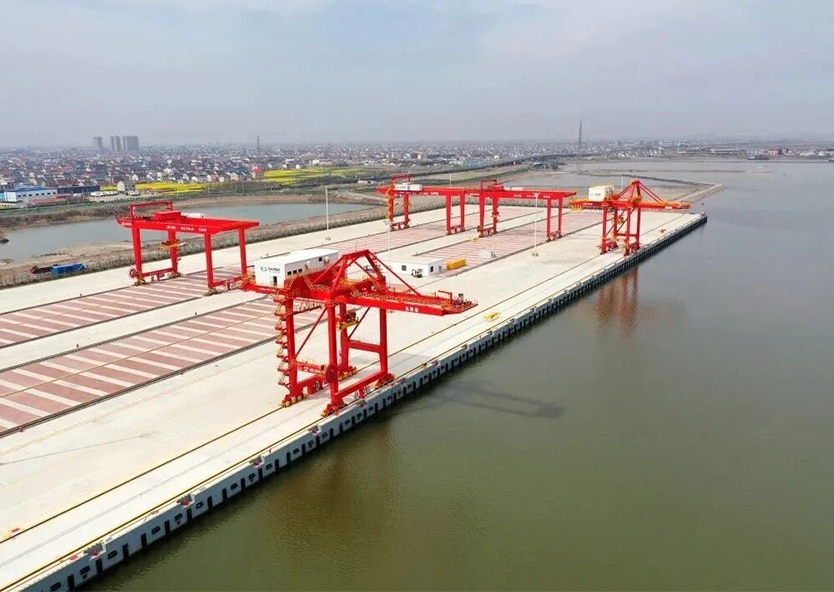
Factors for Port Crane Selection
Container Handling Requirements
The crane configuration should match the types and sizes of containers handled at the port. For example, the project may require equipment suitable for 20-foot, 40-foot, or 45-foot containers.
Port Layout
Rail-mounted gantry systems are suitable for structured yard layouts, while rubber-tyred systems offer greater flexibility in container yards with variable configurations.
Working Environment
Depending on the project location, key environmental factors may include:
Wind conditions
Humidity
Salt exposure (corrosion risk)
Rainfall
Ambient temperature
Dust and airborne particles
Appropriate structural protection and electrical configurations should be selected based on the local operating environment.
Working Frequency
High-frequency container handling operations impose stricter requirements than occasional lifting tasks. Therefore, the customer should provide data on expected duty cycles, daily operating hours, and container throughput. These details help engineers select the appropriate components and operating configurations.
Control Method
Depending on the specific application, available options include:
Cab control (operator cabin)
Remote control
Semi-automatic control
Fully automatic control system
Weihua Customized Port Crane Solutions
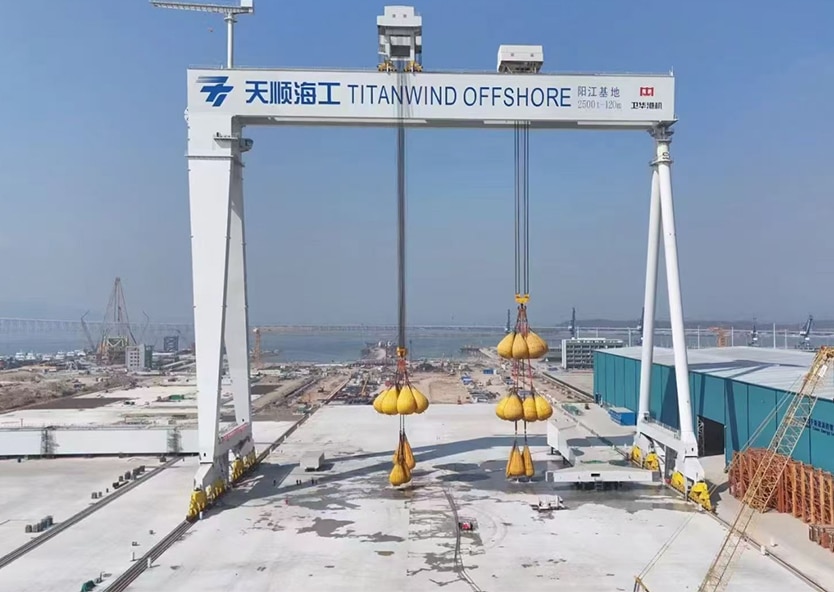
Weihua provides lifting and material handling equipment for industrial, logistics, and port applications, including overhead cranes, gantry cranes, electric hoists, and container handling systems. Founded in 1988, the company offers rail-mounted gantry cranes, RTG cranes, RMG cranes, and other container handling equipment.
For port projects, Weihua supports container terminals, bulk cargo terminals, multipurpose docks, and intermodal hubs. Equipment can be designed around the terminal layout, container size, duty cycle, span, lifting height, control method, and operating environment.
Frequently Asked Questions
1. What is a port crane system?
A port crane system is a combination of lifting and loading/unloading equipment used for handling cargo within ports or docks.
2. What are the differences between RTG cranes and RMG cranes?
RTG cranes operate on rubber tyres and can move flexibly within container yards, whereas RMG cranes travel along fixed rails.
3. Can the container crane system handle different-sized containers?
Yes, the crane configuration and spreader devices can be designed according to the required container sizes for the project, such as 20-foot, 40-foot, and 45-foot containers.
4. What information is needed when selecting a container handling crane?
Key information includes lifting capacity, container sizes, span, lifting height, stacking requirements, duty cycle, terminal layout, power supply, control methods, and environmental conditions.
5. Can port cranes be customized for outdoor environments?
Yes. Port cranes can be configured for different outdoor environments. Wind, humidity, salt spray, rainfall, temperature, and other local conditions all need to be considered during the design stage.
6. How do I select the appropriate port crane system for my dock?
Start by looking at how containers move through the terminal, from ships to the yard and then to trucks or rail. The crane type can then be selected based on the terminal layout, workload, operating flexibility, and plans for future expansion.