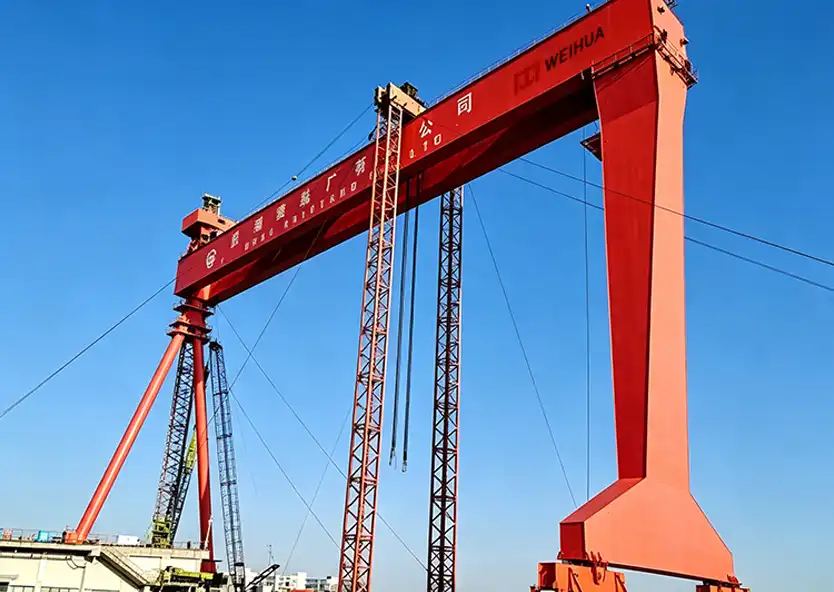
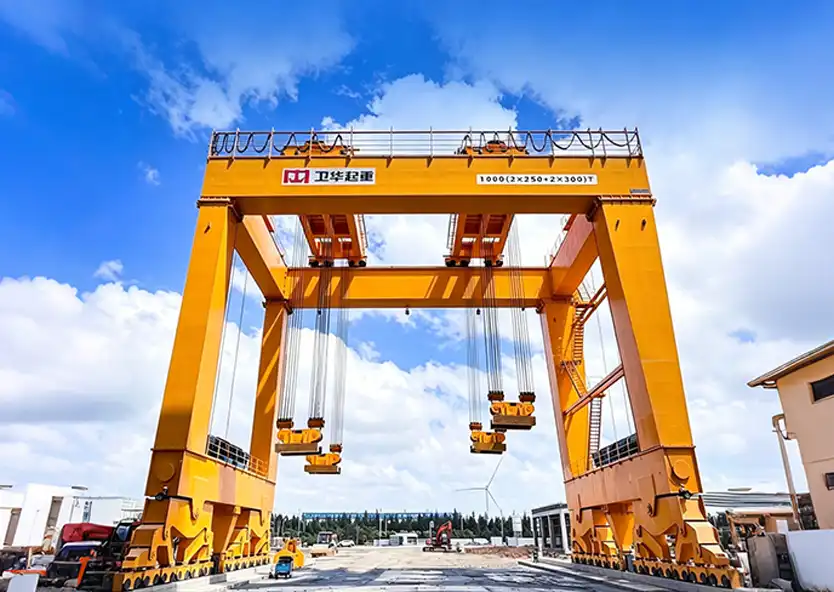
Outdoor material handling presents far more challenges than indoor work. Without factory buildings for structural support, outdoor cranes constantly endure wind, rain, dust, drastic temperature shifts, and uneven ground conditions. For this reason, gantry crane selection for outdoor use should never focus solely on lifting capacity. To get equipment that is practical, long-lasting, and cost-efficient, buyers must base their choices on real on-site working conditions.
A smart selection approach matches the crane’s load capacity, coverage range, and working specifications to actual site demands. This not only ensures safe, smooth daily operations but also helps users avoid overpaying for unnecessary features and redundant performance.
Pick the Right Crane Model According to Site Conditions
The first step in selection is to fully evaluate on-site operation scenarios, including regular working loads, maximum lifting weights, material sizes, and overall operating frequency. Crane setup varies greatly for steel structure handling, routine equipment maintenance, and general warehouse logistics.
It is reasonable to reserve a proper safety margin for lifting capacity, but over-specifying tonnage only drives up procurement and maintenance costs. Meanwhile, operators should confirm the required lifting height and check for on-site obstacles in advance to avoid spatial limitations that could hinder daily work.
Match Crane Models to Field Layout and Workload
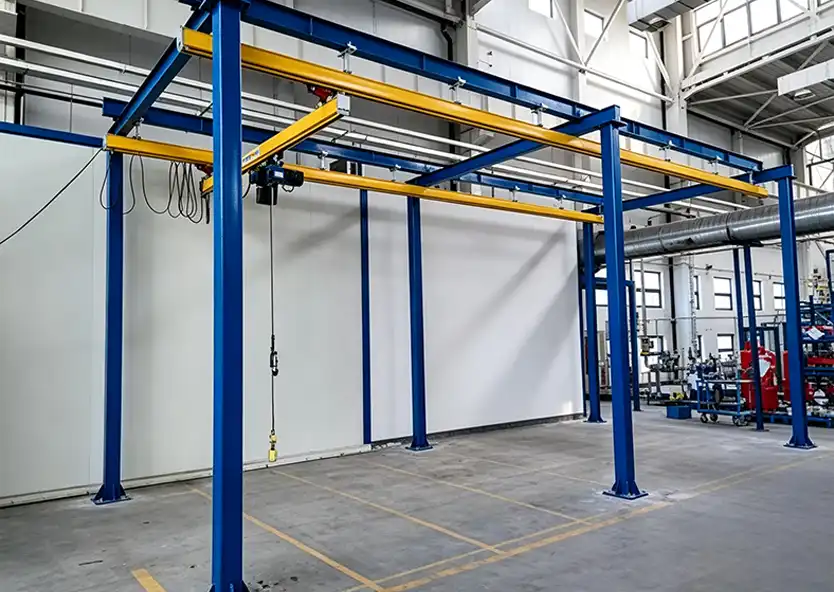
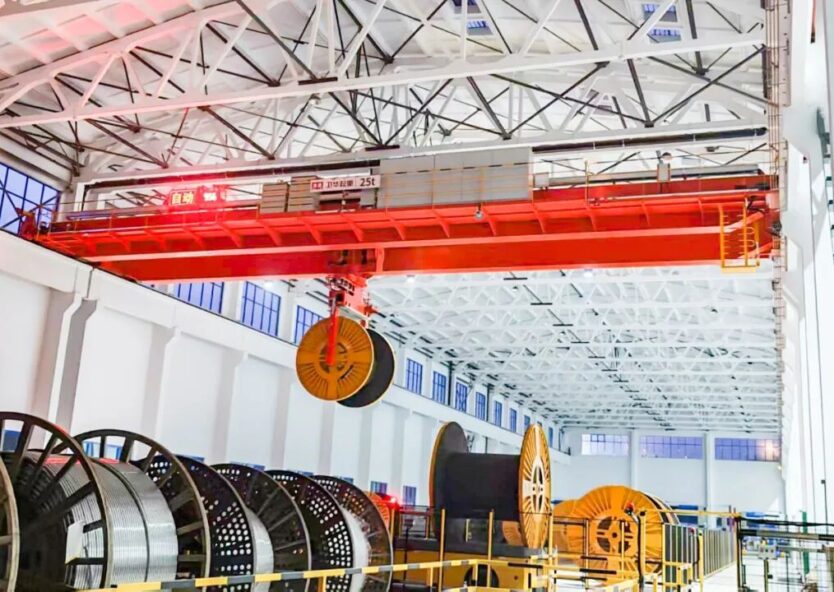
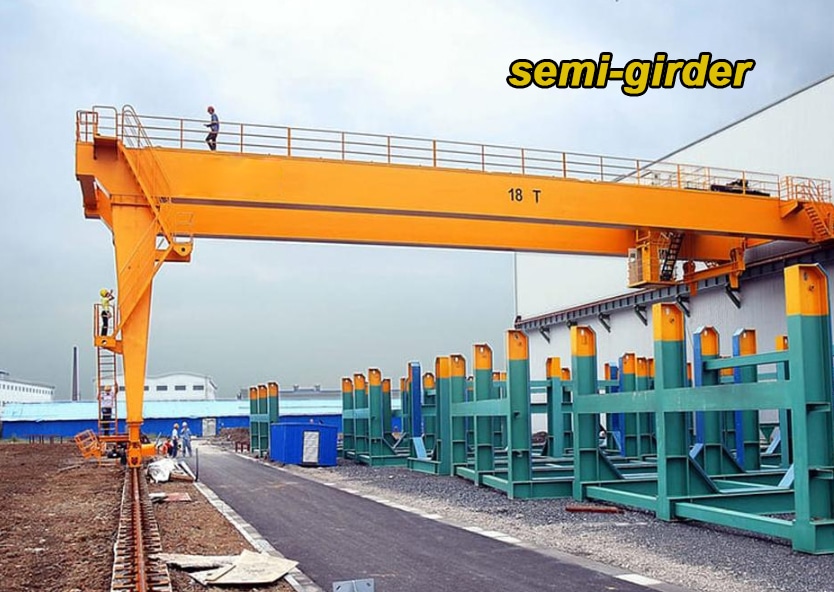
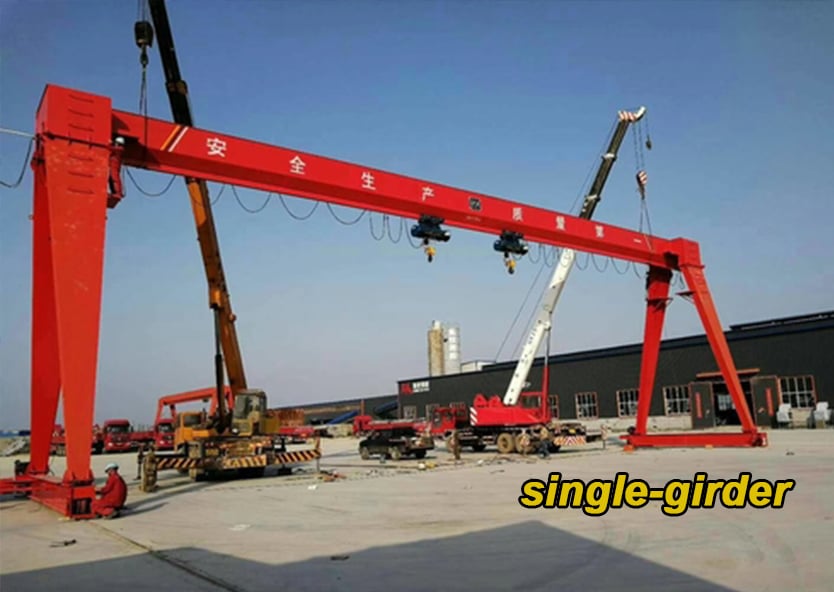
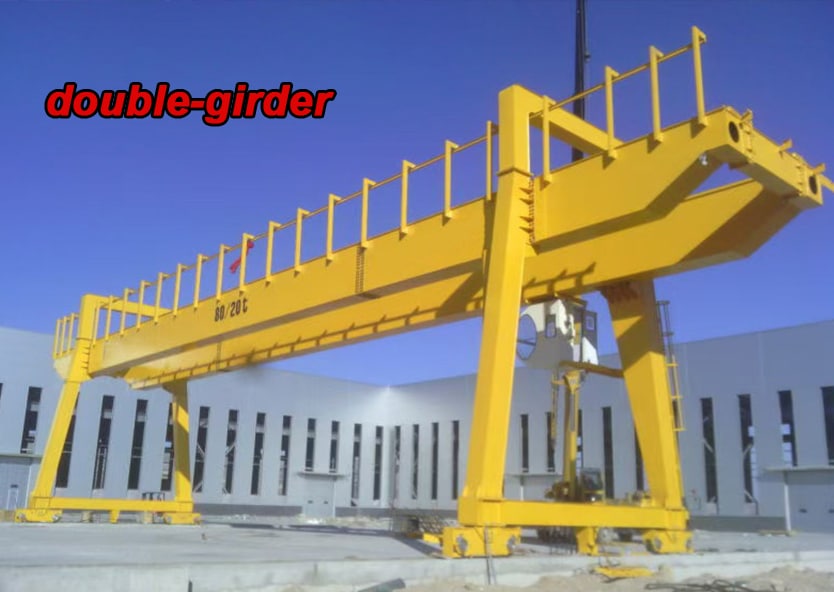
Gantry cranes for outdoor use are primarily available in single-girder, double-girder, and semi-girder designs, alongside custom-engineered special versions. The right choice hinges entirely on on-site load demands and spatial conditions. Single-girder models deliver solid value and reliable performance for standard workloads and moderate-frequency handling tasks. For heavy loads, large spanning distances, and long-term intensive operations, double-girder cranes are the better option, thanks to their superior stability and higher load-bearing limits.
For sites with existing supporting structures on one side, semi-gantry cranes offer a space-saving solution that adapts well to constrained field layouts.
Factor in Outdoor Environments and Protective Requirements
Local weather and field conditions heavily influence a crane’s service life. Rain, strong sunlight, dust, extreme temperatures, coastal salt mist and corrosive air all require targeted protection upgrades for electrical systems, structural surfaces, and key components. Besides environmental factors, teams must carefully inspect on-site ground and rail foundations to ensure they can withstand the crane’s wheel pressure. Relying purely on experience often leads to overlooked foundation risks and potential safety hazards.
Optimize Span, Layout and Working Duty Class
Crane span and traveling distance should fit actual operational ranges. Too narrow a span limits handling flexibility, while an oversized span simply raises costs without adding practical value. Layout planning should align with material loading and unloading zones to reduce empty trips and boost overall handling efficiency.
It is also critical to match the crane’s duty class with real working intensity. Equipment used for occasional maintenance tasks faces far less strain than units running nonstop for industrial production. Matching specifications to operational intensity balances equipment stability and service life.
Control Methods, Maintenance and Final Selection Tips
Modern outdoor gantry cranes support flexible control options, including pendant operation, wireless remote control and cabin operation, allowing businesses to choose based on site environment and operator habits. When selecting equipment, it is wise to prioritize models with accessible maintenance points and easy-to-replace parts, which effectively cut downtime and simplify daily upkeep.
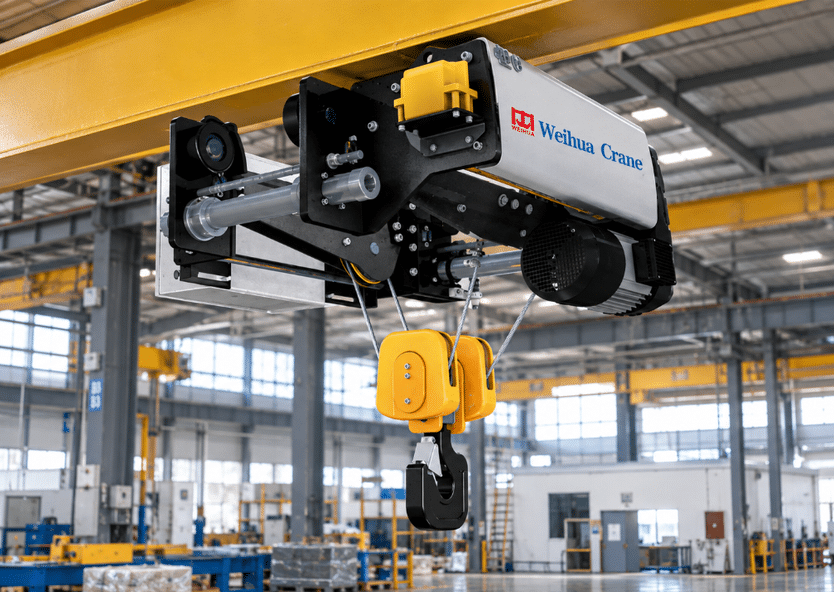
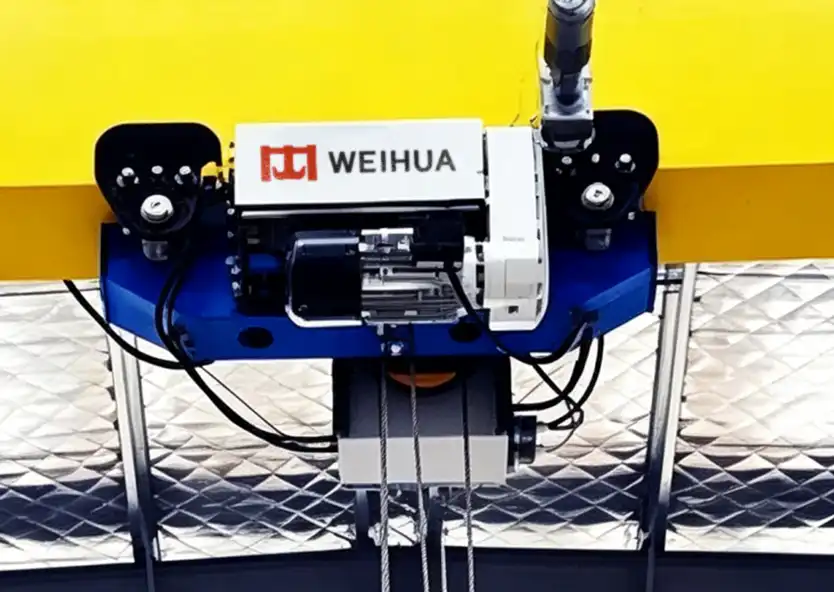
Ultimately, crane selection involves more than just lifting tonnage. Span, lifting height, site environment, duty class, power supply and control modes all define the final configuration. Sharing detailed site drawings, load data, and working conditions with manufacturers helps deliver highly tailored, project-specific solutions. Weihua provides versatile outdoor gantry cranes, with both standard and customizable options to fit diverse field and handling requirements.
Frequently Asked Questions
1. Are gantry cranes suitable for outdoor use?
Yes. Gantry cranes operate independently through their self-supporting frame, requiring no factory buildings or overhead rails. They are widely adopted for yards, construction sites, outdoor production zones, and open-air storage areas.
2. What are the differences between single-girder and double-girder gantry cranes?
Single-girder models are cost-effective, simple in structure, and ideal for standard loads, regular spans, and moderate operation frequency. Double-girder cranes provide higher strength and stability, suited for heavy loads, wide spans, and high-intensity continuous working cycles.
3. What information do I need to provide for outdoor crane selection?
Key details include rated lifting capacity, lifting height, span, travel distance, duty class, power conditions, and working environment. Sharing site drawings and ground condition information helps manufacturers deliver more accurate and customized designs.
4. Do weather conditions affect outdoor gantry crane selection?
Absolutely. Rain, sunlight, dust, temperature extremes, wind, coastal salt spray, and chemical corrosion all influence electrical component selection, material specifications, and surface anti-corrosion treatment. These environmental factors must be addressed during design and manufacturing.
5. What control options are available for gantry cranes?
Operators can choose from pendant button control, wireless remote control, and cabin control. The final choice depends on crane scale, site visibility, weather conditions, and operational convenience.
6. Can outdoor gantry cranes be customized?
Yes. Customization is available for special site dimensions, heavy-load demands, extreme environments, and unique operational requirements. Manufacturers can adjust span, lifting height, protection systems, and control configurations to fit non-standard working scenarios.