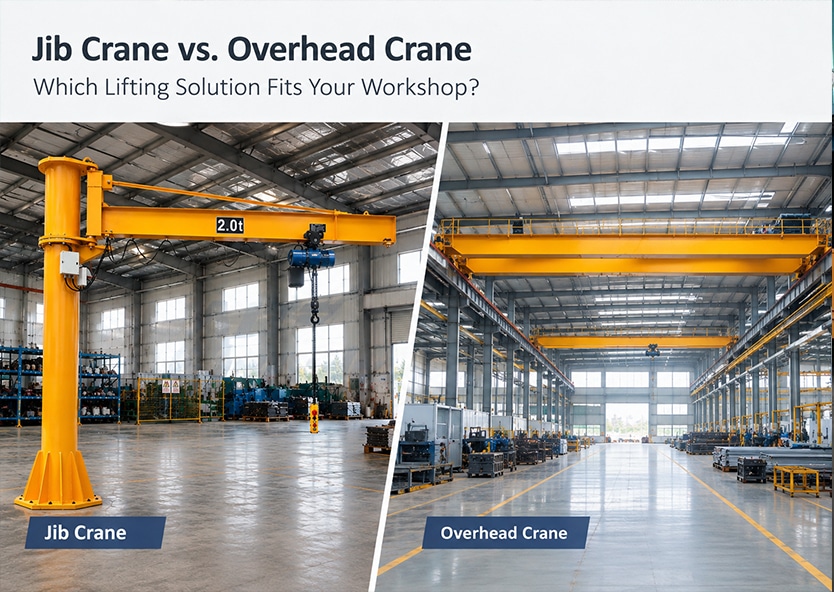
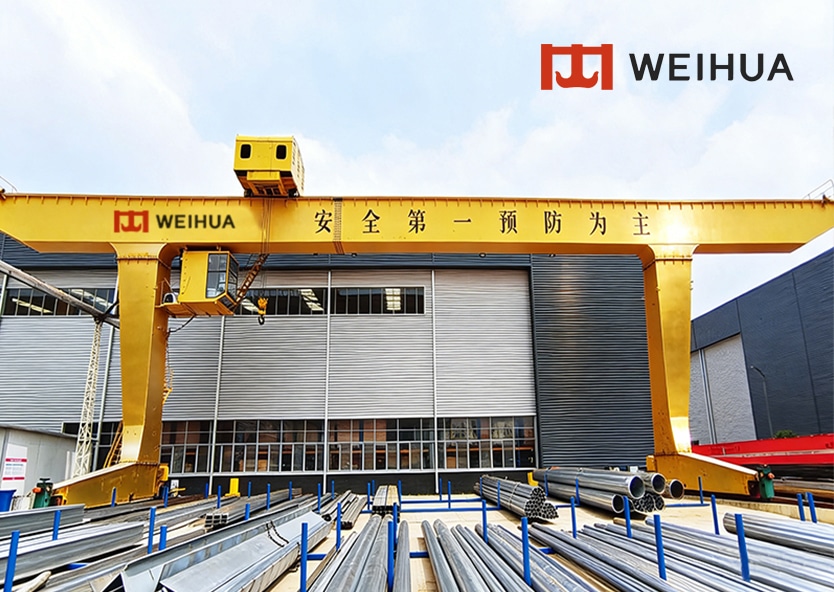
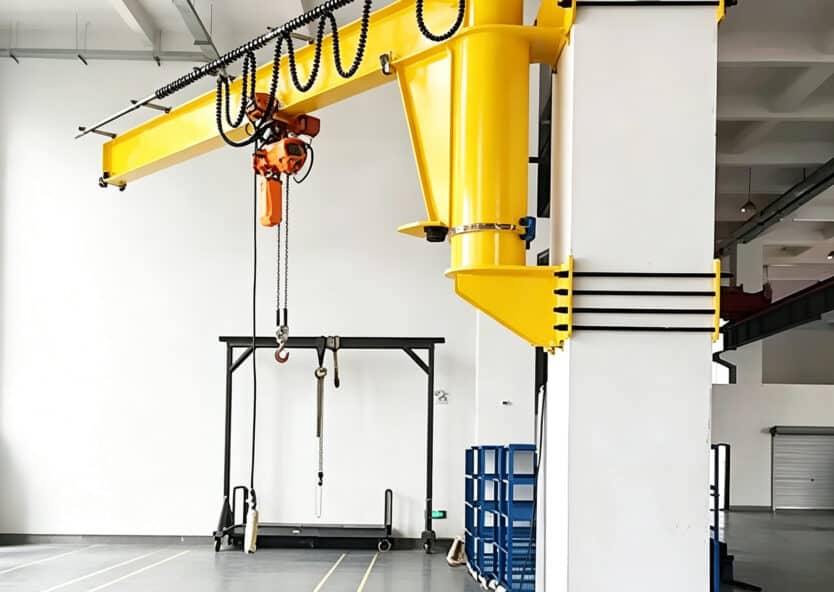
If you work in manufacturing or industrial logistics, you’ve almost certainly come across EOT cranes. Short for Electric Overhead Traveling cranes, these workhorses are the go-to material handling solution for most factories, workshops, and warehouse facilities. Instead of taking up precious floor space, they run along elevated overhead beams. A fitted electric hoist handles all vertical lifting and lowering, while the full crane unit moves horizontally across the workspace to shift heavy loads with ease.
What makes EOT cranes so popular on industrial sites is their space-saving design. They keep floor areas completely clear for production, equipment movement, and daily workflow.
That said, not all EOT cranes are built the same. There is no universal option that works for every plant. To get reliable performance and avoid overspending, you need to match the crane setup to your actual load weights, site environment, lifting height, beam span, and daily operating intensity.
What Is an EOT Crane?
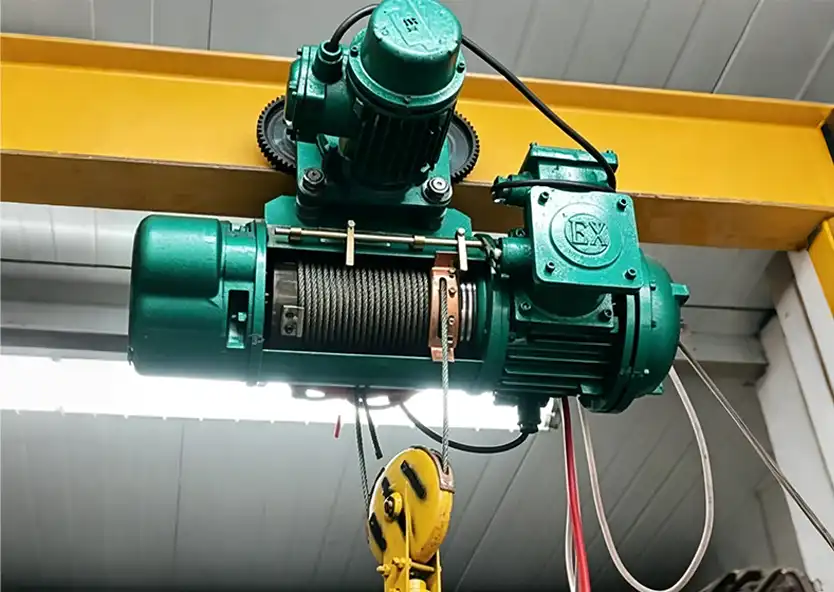
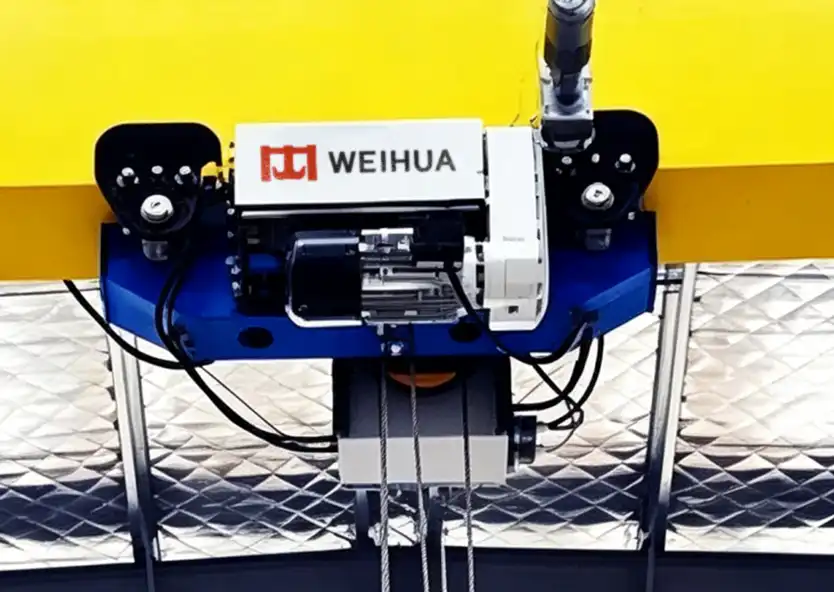
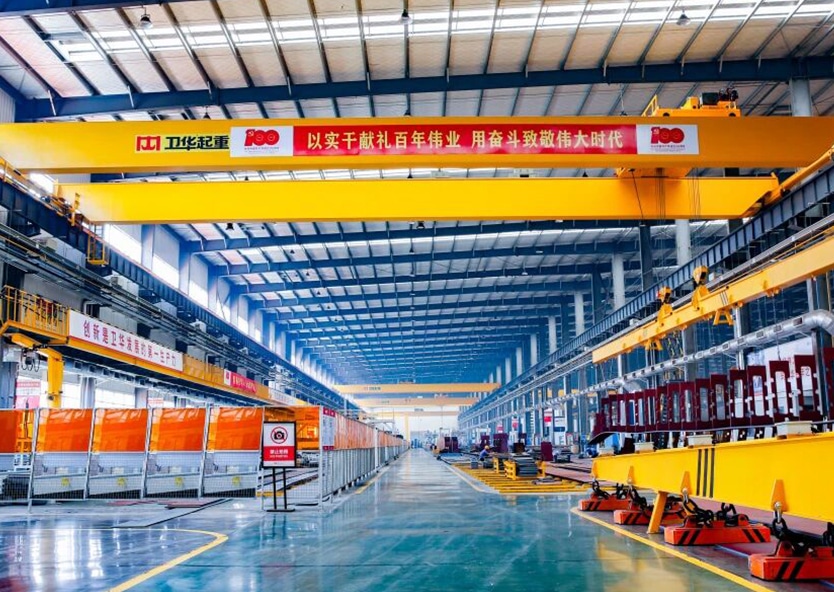
An EOT crane is an electric-powered overhead lifting system that travels along fixed runway rails mounted inside industrial buildings. A standard setup includes the main bridge girder, end trucks, hoisting gear, traveling mechanism, plus all necessary electrical and control components.
The crane’s bridge moves back and forth along the runway beams, while the trolley and hoist travel side to side across the bridge. This dual movement lets operators pick up, relocate, and precisely place heavy materials anywhere within the crane’s coverage area.
Because they excel at repetitive indoor lifting tasks, EOT cranes fall into two core designs: single girder and double girder, each built for different workload levels.
Main EOT Crane Types
Single Girder EOT Crane
Single girder EOT cranes rely on one main bridge beam. Their simple, lightweight structure makes them a cost-effective fit for light and medium lifting duties.
Most general workshops, storage warehouses, assembly stations and standard production lines use single girder cranes for routine material handling.
Even so, don’t base your choice on lifting capacity alone. You’ll also need to consider beam span, maximum lifting height, and overall working class to make sure the crane holds up with long-term daily use.
Double Girder EOT Crane
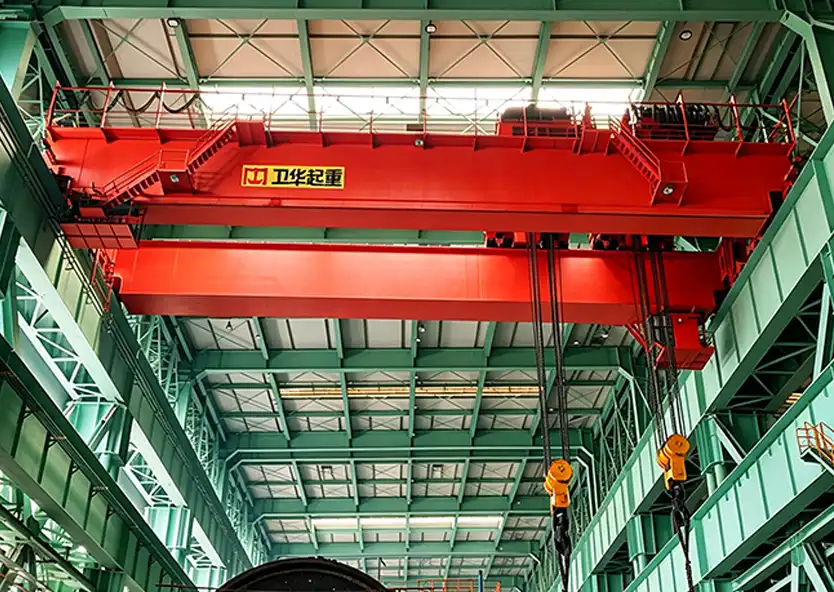
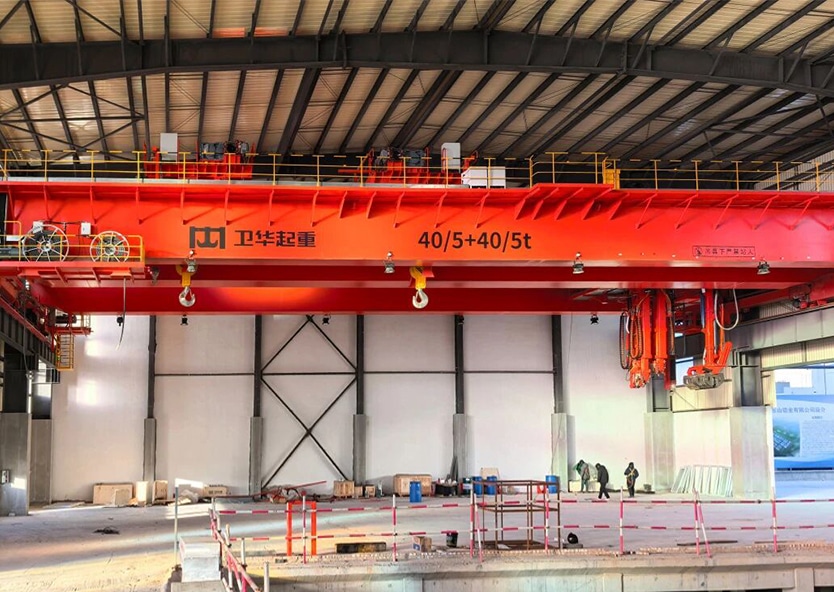
Double girder EOT cranes feature two reinforced main girders to support the trolley and hoisting system. This sturdier build handles far heavier loads, longer beam spans and tougher working conditions that single girder models can’t manage.
When your project requires higher lifting capacity or extended vertical lifting height, double girder cranes deliver much better structural stability and operational reliability. They’re the preferred option for heavy-duty, high-frequency industrial lifting work.
Where EOT Cranes Are Used
EOT cranes are widely adopted across nearly all industrial sectors. Their overhead installation covers a broad working zone without cluttering the factory floor with bulky support structures.
You’ll find them in general manufacturing plants, mechanical processing workshops, steel fabrication sites, storage warehouses, equipment assembly zones, and on-site maintenance workshops.
For example, production teams use EOT cranes to move heavy components between processing stations, while warehouse crews depend on them to load, unload and position large, heavy goods.
At the end of the day, your specific on-site application should always dictate your crane configuration.
How to Select Your EOT Crane
A common mistake many buyers make is picking a crane based solely on maximum lifting capacity. In reality, your unique site conditions should always come first.
Lifting Capacity
The crane’s rated capacity needs to safely cover the heaviest loads you regularly handle. When calculating load limits, remember to factor in the weight of lifting accessories, fixtures and tooling, not just the raw materials.
Span and Lifting Height
Your crane’s span must align exactly with the distance between your existing runway beams. Vertical lifting height is just as important, as your building’s internal ceiling height will define how much vertical travel your crane can achieve and shape the entire equipment design.
Working Frequency
How often you run the crane matters a lot. A unit only used occasionally for routine maintenance has completely different design requirements compared to a crane operating nonstop on a busy production line.
This is why defining the correct working class during the design phase is so important.
Operating Environment
Site conditions directly impact crane lifespan. Extreme temperatures, heavy dust, high humidity, and corrosive substances all wear down mechanical and electrical parts over time.
Indoor and outdoor environments also require tailored protective setups to ensure durable performance.
Control Method
EOT cranes come with flexible control options: traditional pendant control, wireless remote control, or full cabin operation.
The best choice depends on your workshop layout, operational habits, and on-site safety protocols.
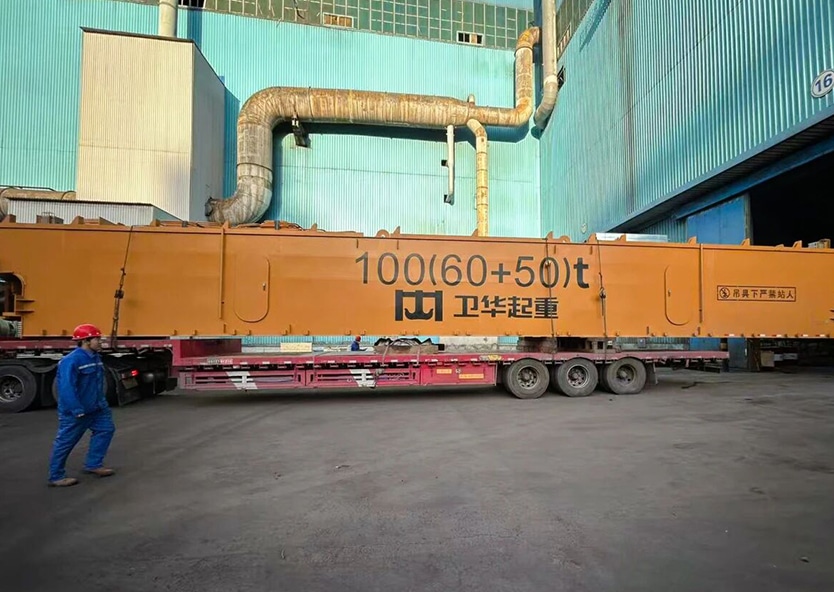
Practical Tips for EOT Crane Selection
There is no one-size-fits-all EOT crane solution for every factory. Before finalizing any purchase, clarify all your core requirements: required lifting capacity, lifting height, beam span, daily working frequency, available installation space, power supply specs, and overall site conditions.
With these details confirmed, your supplier can configure the ideal crane structure and matching components.
A well-matched crane setup will fully support your daily material handling tasks, while helping you avoid unnecessary over-investment or poorly fitted equipment that fails to meet production demands.
Frequently Asked Questions
1. What does EOT stand for?
EOT is short for Electric Overhead Traveling crane. It describes an electrically powered overhead lifting device that travels along pre-installed elevated runway beams.
2. What is the difference between single girder and double girder EOT cranes?
Single girder cranes use one main beam and suit light to medium lifting tasks. Double girder cranes use a dual-beam structure, offering better stability and higher load capacity for heavy loads, longer spans, and more demanding industrial environments.
3. Where are EOT cranes commonly used?
EOT cranes are widely used in factories, workshops, warehouses, manufacturing facilities, and assembly areas — basically any industrial workplace that needs efficient overhead heavy-load handling.
4. How do I choose a suitable EOT crane?
Start with your real on-site operational needs. Focus on lifting capacity, lifting height, span, working frequency, site environment, installation space and available control methods.
5. Can EOT cranes be customized?
Yes, EOT cranes are fully customizable. Suppliers can adjust lifting capacity, span, lifting height, working class and control systems to fit specific project needs.
All final designs are optimized around real application requirements and on-site limitations.