Duty class is one of those specs that gets copied from an old purchase order without much thought. It’s just a number, right? A5 sounds safe. A7 sounds expensive. A3 sounds cheap.
But duty class isn’t a label. It’s a prediction of how hard the crane will work over its life. Pick too light, and the crane wears out early. Pick too heavy, and you pay for capacity you may never use. The trick is matching the class to your actual shift, not to a brochure.
I once visited a foundry where the maintenance team was proud of their “A5” crane. Then they showed me the duty cycle: three shifts a day, lifting near capacity almost every cycle. That crane was not doing A5 work. It was doing A7 work on an A5 design. The result was predictable—cracks, brake problems, and a lot of downtime.
What duty class actually measures
Most people think duty class is just about hours. It’s not. It’s a combination of two things:
- Utilization — how often the crane is used. Lifts per hour, hours per day, days per week.
- Load spectrum — how heavy the loads are relative to the crane’s rated capacity. Are you lifting 20% of capacity all day, or 90% every lift?
A crane that lifts 5 tons once an hour is not the same as one that lifts 5 tons every three minutes. A crane that rarely hits rated capacity is not the same as one that does it all day. Duty class tries to capture both.
There are other factors too: number of starts and stops, operating environment, and expected lifespan. But utilization and load spectrum are the core.
The A3 to A7 scale
The A3–A7 range comes from GB/T 3811, the Chinese crane design standard. If you’re working with a European or ISO supplier, they may talk in M-classes instead. CMAA in the US uses A through F. The logic is similar, but don’t assume the numbers map one-to-one.
Here’s a rough breakdown of what each class means in practice.
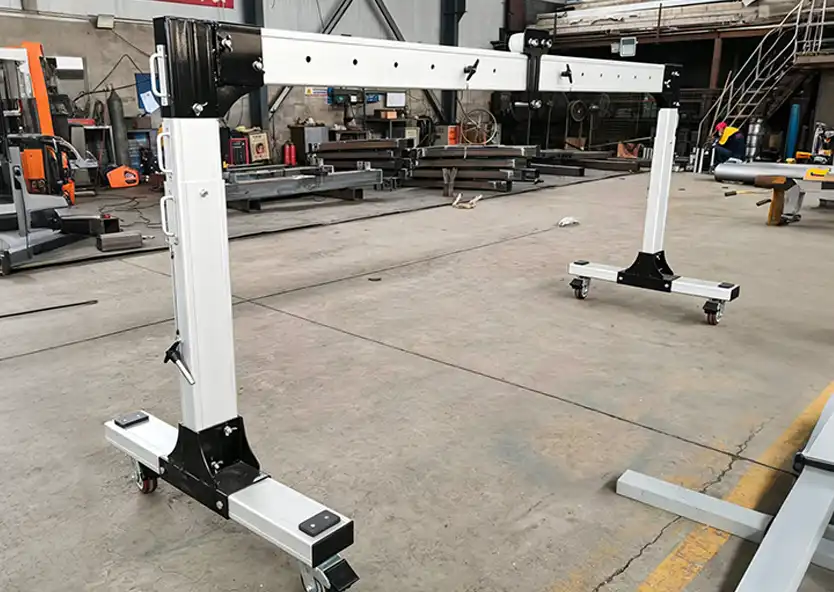
A3 — Light Occasional lifts, low frequency, rarely near capacity. Think maintenance shops, assembly areas, or a crane that runs a few times a day. It’s a convenience, not a production tool.
A4 — Light to moderate. Regular use, but not continuous. General manufacturing, warehouses, light duty. Moderate loads, with some lifts near capacity. This is a common choice for general-purpose overhead cranes.
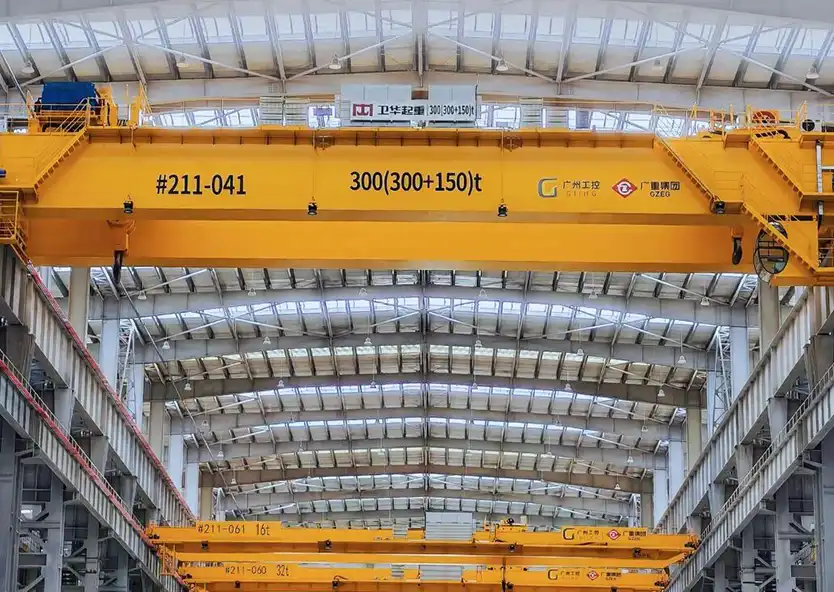
A5 — Medium, often treated as the default. Busy production, frequent lifts, regular loads near capacity. A5 sits at the top of the medium range and is often the default for industrial cranes. Machine shops, steel warehouses, and busy assembly lines often land here.
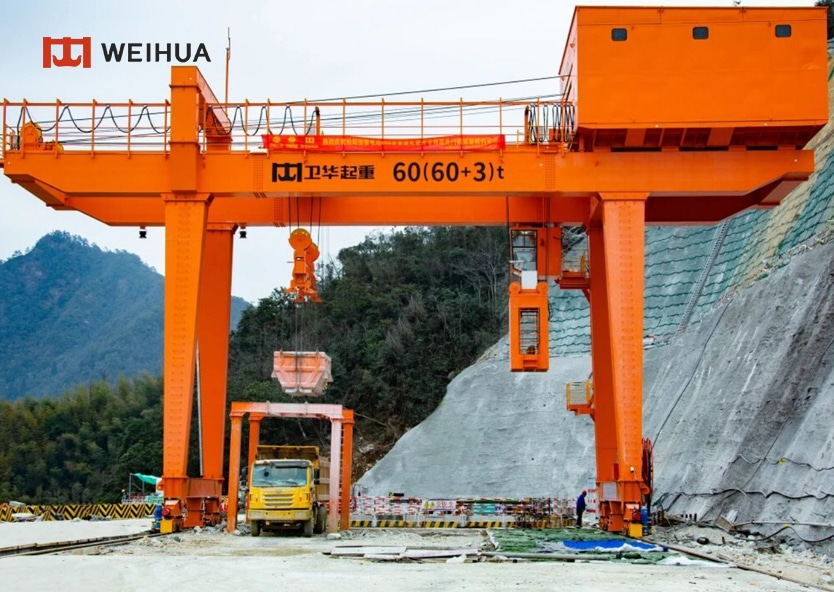
A6 — Heavy Continuous operation, high frequency, frequent heavy loads. Foundries, ports, steel mills, waste-to-energy plants. The crane is a production tool, not a backup. Components need to be selected for fatigue, not just strength.
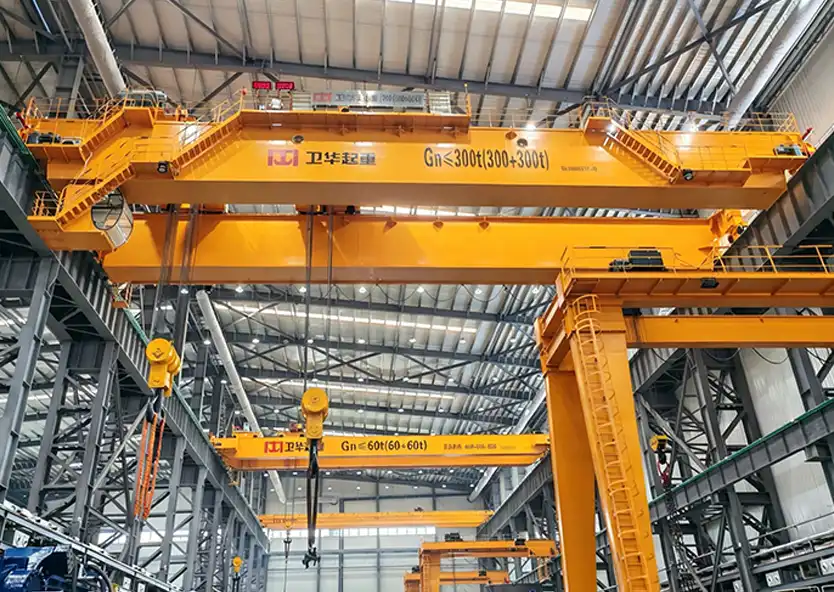
A7 — Very heavy Continuous, severe, often near rated capacity. 24/7 operations, harsh environments, high cycles. Container handling, heavy steel mills, and large manufacturing plants. This is where you stop thinking about “capacity” and start thinking about “design life.”
For A3 to A7 Duty Class Frequently Asked Questions
1、What is crane duty class?
Crane duty class describes the expected workload and fatigue level of a crane over its service life.
2、What is the difference between A3, A5, and A7 crane duty class?
A3 is light occasional use; A5 is medium, frequent production work; A7 is severe 24/7 heavy-cycle service.
3、Can I use an A5 crane for three-shift continuous work?
Normally no. Three-shift near-capacity lifting usually requires A6 or A7 grade instead.
4、Are GB/T 3811 A-classes equal to ISO M classes?
Not a one-to-one equivalent. Always confirm which standard your supplier applies.
5、Does duty class equal crane lifting capacity?
No. Capacity refers to maximum load, while duty class reflects working cycles and fatigue.